




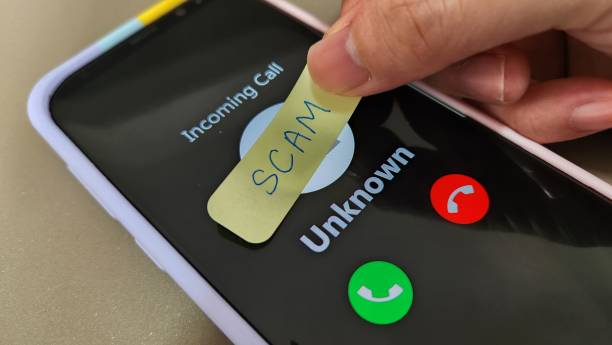
Thailand is facing a sharp surge in scam calls and text messages – and expatriates are increasingly among the targets, Bangkok Post reports.
New figures show that Thailand has become the most targeted country in Asia for phone and SMS scams. Last year alone, around 173 million scam attempts were recorded across the country.
That includes about 39 million phone calls and 134 million text messages. Both numbers are higher than the year before, highlighting how the problem continues to grow despite repeated crackdowns.
For foreigners living in Thailand, the risks are becoming harder to ignore.
Scammers are no longer relying on random outreach. Instead, they use leaked personal data to craft messages that feel convincing and personal. In some cases, phone numbers are linked with names, emails and even passwords.
This makes it easier to target expatriates who may already be navigating unfamiliar systems, language barriers and local institutions.
Authorities warn that scam operations have evolved far beyond small-time fraud.
Today, many function like organised businesses. They operate with fixed working hours, clear roles and mass outreach systems using automated calls and large-scale SMS campaigns.
At times, enforcement efforts have slowed activity. Earlier this year, a crackdown along the Thai-Cambodian border briefly reduced scam operations.
But the drop lasted only a short time.
Do not believe
Criminal networks quickly adapted, moved operations and resumed activity, underlining how flexible and resilient these groups have become.
Text message scams are also becoming more difficult to detect. Scammers now mix words with emojis and unusual characters to bypass telecom filters.
As a result, more fraudulent messages are slipping through.
Police estimate that scam-related losses amount to around 70 million baht per day.
At the same time, authorities have frozen thousands of so-called mule accounts linked to scam networks. The public is urged to report suspicious activity through official channels.
Mobile users can also take preventive steps. Dialling *138#1 can block incoming calls from foreign numbers, while telecom operators are increasing efforts to detect suspicious activity.
Authorities also point to a darker side of the industry.
Some scam centres are linked to human trafficking, with victims forced to work in fraudulent operations.
Police continue to repeat a simple warning:
Do not believe. Do not rush. Do not transfer money.

Check out the Taiwanese app called ‘Whoscall’. It is mentioned at the end of the BP article.
It has existed since 2010, and the basic version is free. It works fine even in the basic version.
It has won several awards from Google Play and Apple Appstore, and it is also a strategic partner of several governmental agencies in their anti-fraud efforts.
It is one of the anti-scam apps recommended by the Royal Thai Police.