



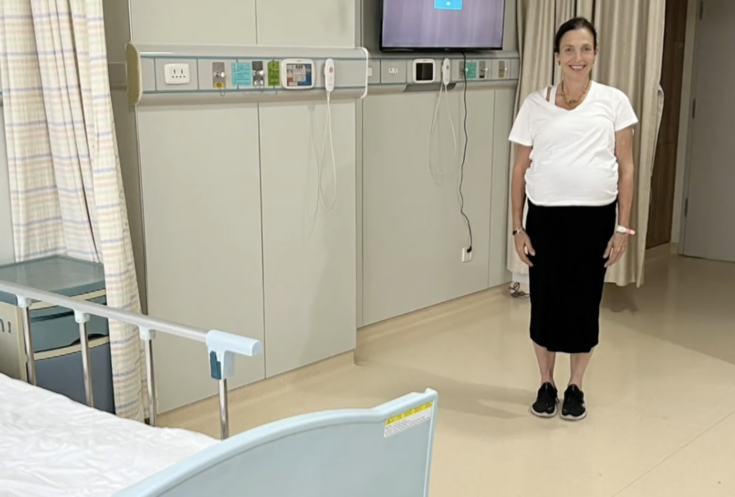
In Skåne, approximately two out of three women diagnosed with invasive placenta have lost their uterus after undergoing surgery between 2018 and 2022. Only one in three women affected left the hospital with their uterus intact. This alarming situation has led some, like Skåne resident Anna Hammarström, to seek alternatives, ultimately choosing to give birth in China—where the odds of preserving the uterus are reportedly better.
Professor Stefan Hansson from Lund University emphasized, “I want to underline that we do not remove anyone’s uterus casually.” The condition, known as placenta accreta, presents significant challenges for affected women, particularly for those wanting to keep their uterus and have more children.
Chinese medical expertise
Hammarström, who has a medical background, made her decision based on the perception that hospitals in China have greater experience with invasive placenta surgeries. In China, a large population and a high incidence of cesarean sections contribute to more accumulated medical expertise in handling such cases.
In Sweden, the condition remains relatively rare, affecting around 50 women annually, according to reports from Dagens Nyheter. Hansson stressed the importance of understanding the severity of individual cases when determining treatment options.
Challenges in adopting global practices
Hansson supports the idea of global collaboration to improve the chances of preserving uteruses within the Swedish healthcare system. However, he believes it would be difficult to directly apply the experiences acquired in China to Swedish practices.
“If we had surgeons performing a hundred cases per year, their experience would be different, and they might make different assessments. It all comes down to how severe the invasion is,” he explained.
Risks associated with scarred uterus
He noted that if the placenta has penetrated the uterus, the Chinese technique may not be feasible without putting the woman at considerable risk. “Leaving behind a scarred uterus could increase the chances of complications in subsequent pregnancies. Allowing a scarred uterus to remain would only instill a false sense of security,” he cautioned.
Addressing women’s health issues
Hansson reassured that Swedish healthcare does not remove uteruses unnecessarily, citing scientific evidence and established practices. However, he concurred with Hammarström’s critique that women’s health issues often receive insufficient attention.
“When it comes to funding allocations, it is not a prioritized area. Yet, there seems to be a light at the end of the tunnel, as people recognize its importance. Women are biologically different from men, and research must prioritize women’s health,” Hansson concluded.
Source: SVT