



Vietnam’s textile and garment sector has the potential to strengthen its presence in the Nordic market by integrating sustainability with traditional craftsmanship, according to Nguyen Thi Hoang Thuy, Trade Counselor of Vietnam in Sweden and the Nordic countries.
With the European Union’s Strategy for Sustainable and Circular Textiles, introduced in March 2022, stricter environmental regulations are reshaping the industry. The initiative aims to minimize the textile sector’s environmental footprint, enhance resource efficiency, and encourage circular production models.
Thuy highlighted that as one of the world’s largest textile exporters, Vietnam is well-positioned to tap into this growing market. The EU’s commitment to sustainable textiles aligns with the increasing demand for eco-friendly fashion in Northern Europe.
“We have several advantages that make Vietnam a strong contender in this space. Our natural resources, such as organic cotton, bamboo, reeds, and natural silk, are highly favored by Nordic consumers. These materials are biodegradable, chemical-free, and fully compliant with the EU’s environmental standards,” she said.
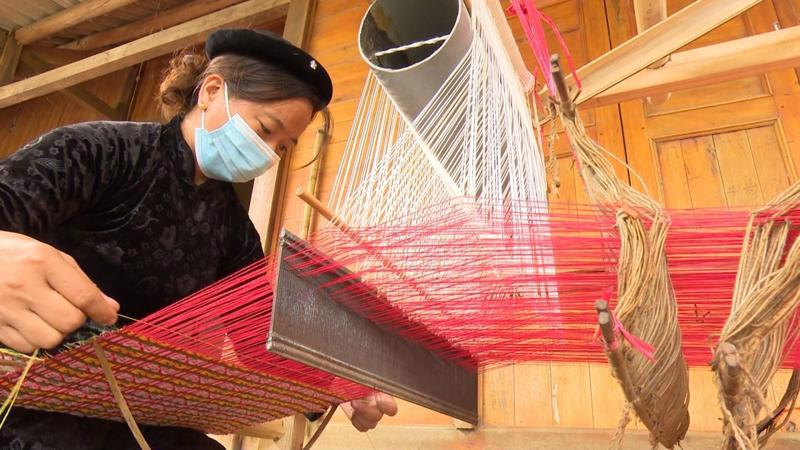
Beyond sustainability, Vietnam’s traditional handicrafts offer a unique appeal. Silk weaving, hand embroidery, and heritage textile production combine cultural depth with eco-conscious fashion, catering to Nordic consumers seeking authenticity and exclusivity.
Source: VnEconomy