



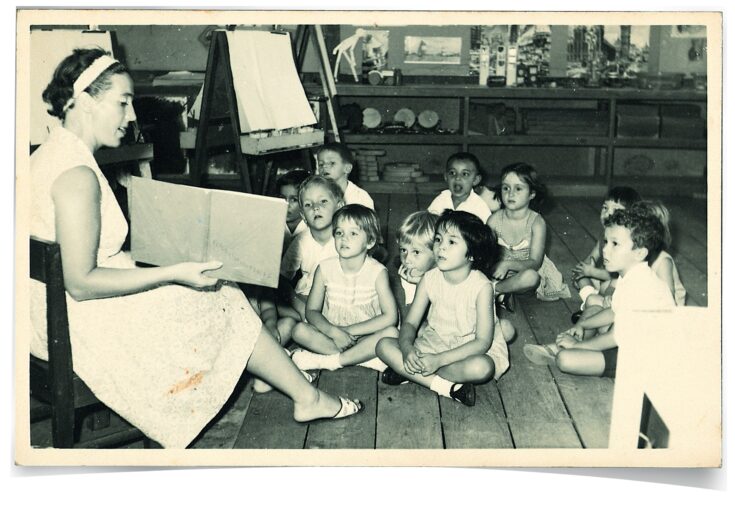
On a quiet stretch of Ploenchit Road in 1957, long before Bangkok became the global metropolis it is today, a British woman named Rosamund Stuetzel opened the doors of a small school in the garden bungalow behind her home. There were just 28 pupils. Most were the children of expatriates. Having already sent two of her children to boarding school in Britain, Stuetzel was unwilling to do the same with her youngest daughter. Determined to keep her family together while providing a British education, she created a school of her own.
Few could have imagined that the modest experiment would become Bangkok Patana School, now Thailand’s oldest British international school and one of Southeast Asia’s most established educational institutions. Nearly seven decades later, the school educates more than 2,300 students from over 60 nationalities, yet remains remarkably faithful to the ideals with which it began.

The story of Bangkok Patana is, in many ways, also the story of modern Thailand.
When the school opened, Bangkok was beginning to emerge onto the international stage. The decades that followed brought economic growth, increasing diplomatic influence and the arrival of multinational companies, embassies and international organisations. As Thailand changed, so too did the school, serving generations of families who arrived from around the world and made Bangkok their home.
Yet from the beginning, Bangkok Patana was never simply British.
Long before diversity became a corporate aspiration, it was already part of daily life at the school. Historical records show that by the early 1960s students represented 28 nationalities. In an era when international education was still relatively uncommon, children from vastly different backgrounds shared classrooms, playgrounds and friendships.
For many alumni, that diversity remains one of the school’s defining characteristics. Former student Tim Blackburn described an environment that fostered curiosity and understanding of other cultures. “Patana was incredibly international,” he recalled. “It taught tolerance, curiosity and a genuine appreciation for different cultures.”
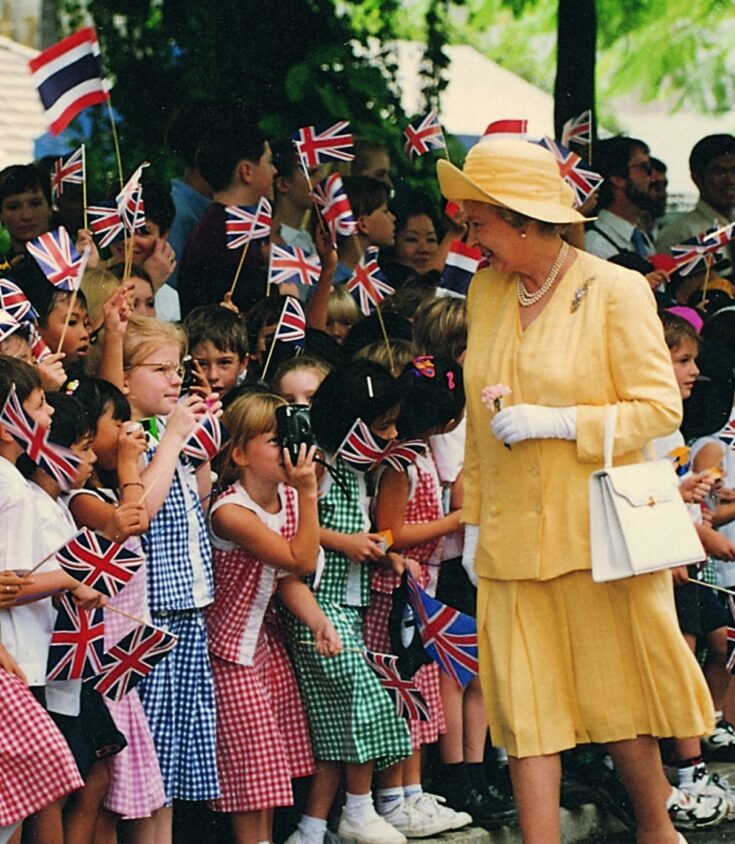
That outlook would, over time, attract visitors who reflected the school’s growing place within Thailand’s international community. Alongside members of the Thai Royal Family and national leaders, the school welcomed figures including Nelson Mandela, Baroness Margaret Thatcher, Queen Elizabeth II and Prince Philip, and football legend Sir Bobby Charlton.
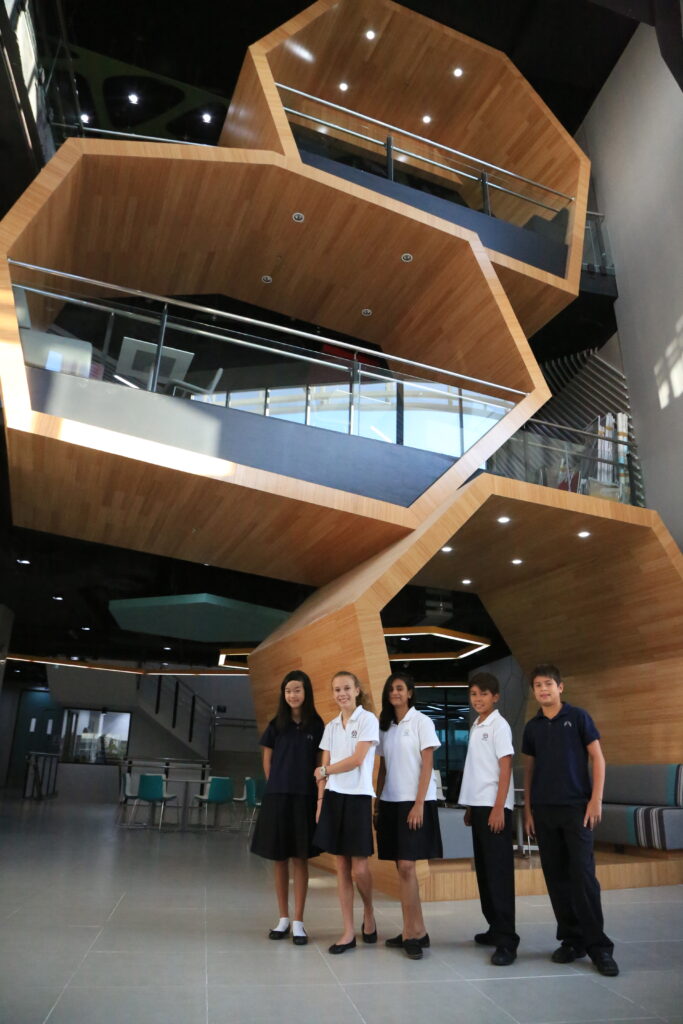
The institution grew through successive campuses before settling in Bang Na, where its modern grounds now include theatres, sports facilities, science centres and libraries. Yet beneath that physical expansion lies a structure that has remained largely unchanged. Bangkok Patana operates as a not-for-profit foundation, reinvesting income into educational programmes, community initiatives, staff and facilities rather than distributing profits to owners or shareholders.
Community, too, extends beyond rhetoric. The Bangkok Patana School Foundation exists not only to operate the school but also to improve the lives of children and families in need across Thailand. Charitable initiatives, alumni networks and community events have helped shape school life for decades. For many families, the school serves not only as an educational institution but also as a social anchor, helping newcomers navigate life in a foreign country while building relationships that endure across cultures and generations.
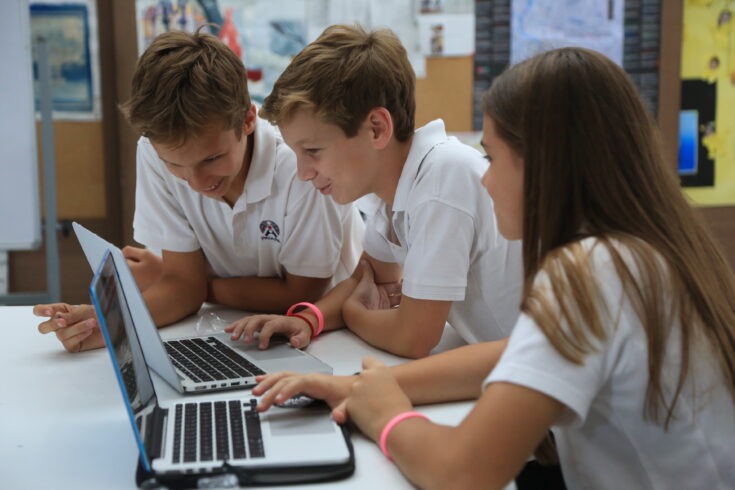
That continuity remains visible today. Marking the school’s 70th anniversary, Head of School Chris Sammons reflected on its enduring foundations: community, friendship, kindness and a love of learning. His remarks echoed themes that could easily have belonged to Rosamund Stuetzel herself nearly seven decades earlier.
There is, of course, measurable success. Bangkok Patana consistently sends graduates to leading universities around the world and is recognised internationally for its educational standards. It is also the only school in Thailand to have been included in the Spear’s Schools Index for six consecutive years, placing it among a select group of leading independent schools globally.
But perhaps the school’s most enduring legacy lies elsewhere.
In a city transformed almost beyond recognition since 1957, Bangkok Patana remains shaped by the same conviction that inspired its founder: that education can strengthen families, build community and prepare young people not merely for examinations, but for life in an interconnected world.
The garden bungalow on Ploenchit Road has long since disappeared. The idea that began there endures. Seventy years on, Bangkok Patana has become more than a school. It is a lens through which to view the evolution of modern Thailand, and a reminder that some of the most influential institutions begin not with grand plans, but with a parent’s determination to create something better for the next generation.