




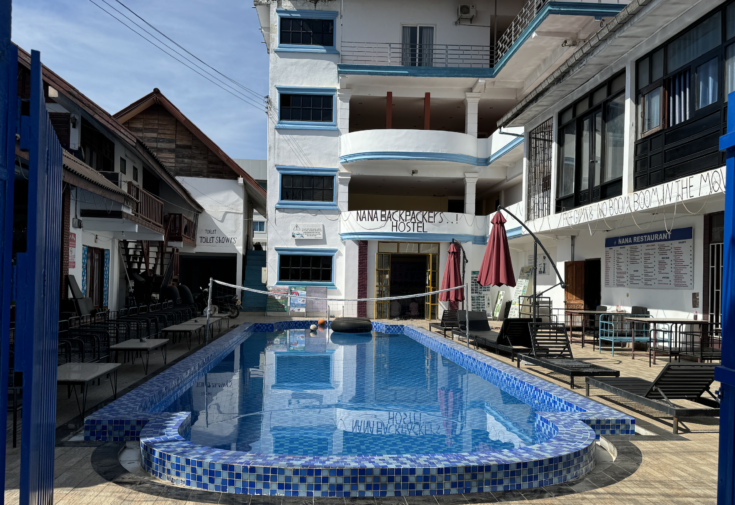
The vibrant town of Vang Vieng, renowned for its stunning landscapes and adventurous spirit, has become the focal point of a tragic narrative surrounding the deaths of two young Danish girls. These fatalities, linked to suspected methanol poisoning from free vodka shots at a local hostel, have raised serious concerns about tourist safety and the accountability of establishments catering to travelers. Now a Belgian friend of the two Danish girls has shared his story.
A plea for justice
A Belgian friend, who has chosen to remain anonymous for safety reasons, has come forward with a detailed account of the events that transpired between November 13 and November 17. In a heartfelt plea for justice, he reached out to international media and embassies, urging them to investigate the shocking circumstances of these deaths. He begins with a request for anonymity for all involved, as fear of corrupt local authorities looms large.
“I am seeking on behalf of myself and the families of victims to bring light to the situation that has been unfolding in Laos regarding multiple connected cases of methanol poisoning,” he wrote. “This document contains all the information that I know. I also want to spread awareness to prevent other backpackers from suffering the same fate.”
The Belgian friend had originally met the two Danish women while traveling in Vietnam in October. The trio quickly formed a bond and made plans to reunite in Vang Vieng, Laos, before continuing their journey to Thailand together.
The search for clarity
The timeline of events began on November 13, when the Belgian received a worrying message from one of the women, stating, “I have never been so sick before,” accompanied by relentless vomiting. Alarmed, he adjusted his plans and decided to surprise his friends by arriving a day earlier than scheduled. However, after this initial communication, he could not reach them again, leading to escalating anxiety.
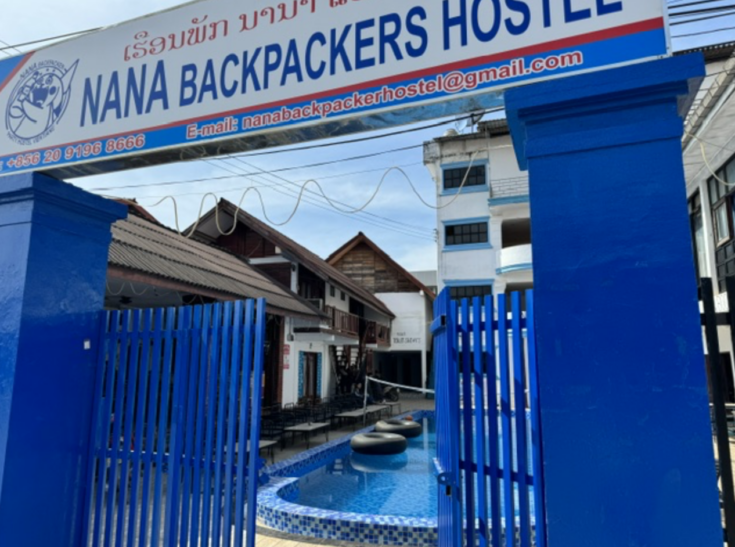
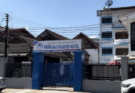
Upon arriving in Vang Vieng on November 14, he embarked on a frantic quest to locate the two women. “I quickly realized I did not know the name of the hostel they were staying in or any specific plans they had,” he recounted. Throughout that day, he gathered whispers and rumors from fellow travelers about a sick girl reportedly hospitalized at Nana Backpackers Hostel. Determined, he rushed there, desperately searching for answers.
To his dismay, hostel staff informed him that the Danish women had checked out a day prior and that one of them had allegedly gone to Vientiane. This struck him as odd; the girls were best friends and would not travel alone. Left with scant details, he received only a voice memo later confirming that one of the women had indeed been taken to the local hospital. “I spent the day (15/11) in Vang Vieng trying to locate where exactly they were,” he noted, grappling with language barriers and a lack of communication from local medical institutions.
Chaotic scenes and disturbing revelations
As he pieced together fragmented accounts from other hostel guests, he managed to contact a fellow traveler who initially brought one of the women to the hospital. Her report painted a disturbing picture. “Both of the girls went out on Tuesday together and both woke up feeling really weird,” she explained. “One got breakfast, but the other was too sick and stayed in bed all day. I found out she was in the hospital when I asked the reception about her.”
Desperate for clarity, the Belgian friend continued seeking more details. The traveler described how she found one of the women “dripping in sweat and having a full seizure.” The response from staff was troubling. “One girl was calm and started massaging her toes and feet… I told her she was having a seizure; we need to get her an ambulance,” the guest recounted. Yet instead of facilitating proper medical assistance, the staff chose to call a taxi.
“From what I saw, it seemed they knew what was happening and were trying to cover it up,” she told the belgian friend, questioning the hostel’s response to what was clearly a medical emergency. The apparent disregard for the severity of the situation echoed throughout the community, amplifying fears about the quality of care provided to travelers.
The distress call
Despite his best efforts, the Belgian friend encountered numerous challenges when trying to contact hospitals. “No hospitals had English-speaking staff, and when I explained my emergency, they seemed uninterested.” He even called Kasemrad International Hospital, where language barriers persisted. The dismissive behavior of the staff only fueled his frustration. “I asked them to conduct research themselves. It became more about breaking through barriers than finding help,” he lamented.
Late on the night of November 15, the distressing call he had feared arrived. The hospital informed him that one of the women had passed away. “I could not believe this was legitimate. I thought the parents would have been informed first via the embassy,” he shared, grappling with disbelief in the face of devastating news. “No place in the world would ever give me this information in this way,” he thought.
As he scrambled for more information, he learned from other guests that the Danish women had consumed free vodka shots at Nana’s before falling ill. Determined to get to the bottom of the case, the Belgian friend began a frantic search for his other friend, who was also in dire condition. Witnesses described a chaotic scene where staff failed to summon proper medical assistance, downplaying the seriousness of the crisis instead.

Connecting with families
Fueled by anguish and anger, the Belgian friend reached out to the victims’ families, coordinating efforts to gather information from hospitals. “Not much later, I discovered that a family member currently traveled in Laos,” he wrote. They rushed to Mahosot Hospital but found no trace of the women, intensifying the urgency of his quest for answers.
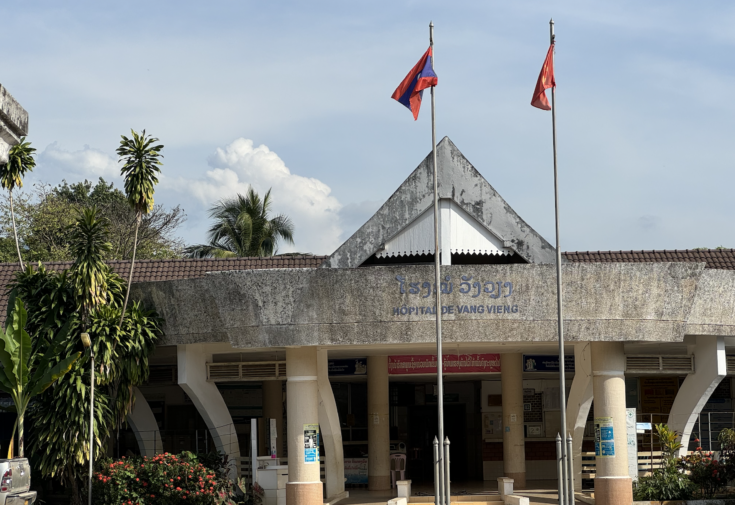
Realizing he needed to take decisive action, he made his way to Vang Vieng Hospital, where he encountered a series of obstacles. “The staff had no clue about anything and even started laughing at me when I tried to use a translation app,” he recalled.
Frustration transformed into determination when he spotted a patient information book on the counter. After a quick glance, he discovered that one of the women had been transferred to 103 Military Hospital in Vientiane and was in a coma. “I contacted her father and asked if he could send someone to look there,” he wrote. With time running out, he booked a bus to Vientiane, hoping to reach the hospital in the morning. Tragically, the news became even more devastating later that night, as he learned the family had been informed of both women’s deaths.
“I met up with the father in Vientiane on Sunday, November 17, to support him because not everyone here speaks English, making it frustrating for a parent in such a situation,” he added, his heart heavy with the burden of loss.
Emerging patterns of poisoning
As he continued to unpack the tragic events surrounding these deaths, the Belgian friend revealed an alarming trend of suspected methanol poisoning in the region. “I’m aware of multiple other people becoming unwell in Vang Vieng during this period,” he stated, emphasizing the urgent need to address the connection between the alcohol served at the hostel and reported illnesses.
Numerous travelers shared harrowing experiences that mirrored those of the Danish women, illustrating a disturbing pattern wherein visitors fell gravely ill after consuming alcohol at establishments like Nana Backpackers. Among those who spoke out were two English girls and a Dutch man, who reported severe symptoms such as blindness, nausea, and confusion—all indicators of methanol poisoning.
The evidence began to paint a clear and alarming picture: tourists were seriously ill after consuming drinks provided at the hostel. The Belgian friend gathered numerous firsthand accounts, further emphasizing the urgent need for investigation into local practices. “I learned that many were hospitalized following their stays at the hostel,” he noted.
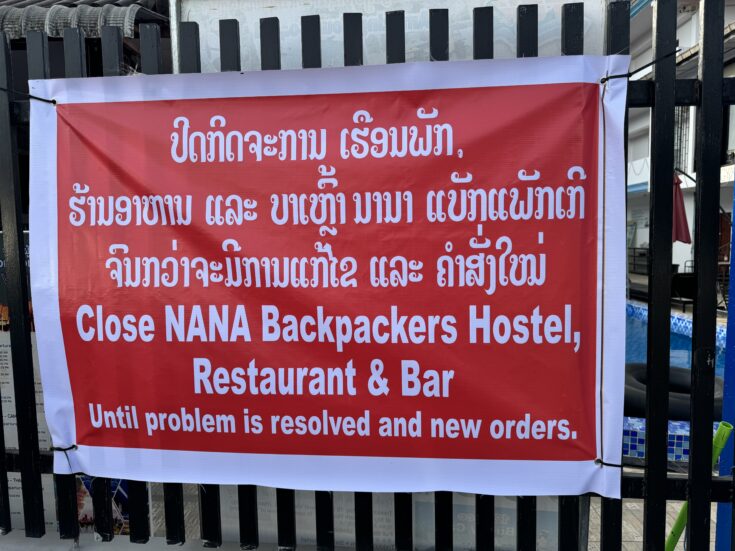
Alarmingly, hostel management appeared to actively suppress negative feedback. Management frequently removed reviews detailing guests’ distressing experiences after drinking the complimentary vodka shots, claiming slander. “Hostelworld has since stopped listing Nana’s on their website,” he shared, indicating a troubling trend where accountability seemed sacrificed to protect the establishment’s reputation.
Traveler testimonials
To comprehensively understand the issue, the Belgian friend initiated a survey directed at individuals who had experienced illness while in Vang Vieng. “I reached out to those who had been hospitalized or knew someone who had,” he explained. The responses overwhelmingly pointed to establishments serving free alcohol as the source of their ailments.
Most individuals hospitalized stayed at Nana Backpackers Hostel or had free shots during the “happy hour.”
Interestingly, one account reflected a different experience. When asked where she and her friend had stayed, she responded, “It wasn’t a hostel that made us sick; it was a bar. The hostel we stayed in did not give free booze and we did not drink there—the only place we went was a bar.” This raised further suspicions about the quality of alcohol consumed at bars like Full Moon.
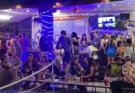
Many young backpackers end their night at Jaidee or Full Moon, as they are among the only bars that stay open late.

Shots roofied with GHB
When asked about their drinks, she elaborated, “They served us shots roofied with GHB. The only place we visited was Full Moon. They poured shots from a container, and within 45 minutes, we completely passed out at the bar after just a few shots.”
With grim determination, she recounted, “My friend and I could not walk and needed hospitalization. At least a dozen locals and expats informed us that Full Moon Bar has a reputation for drugging people and stealing from them FOR YEARS.”
The gravity of this situation highlights broader issues of safety and accountability at various establishments in Vang Vieng. “We ingested so much GHB that I am surprised we did not overdose. To this day, we do not know how we made it to the hospital,” she continued. “It is possible the lady owner of Full Moon supplies Nana’s with their alcohol as well because she runs many businesses. Stay away from Full Moon at all costs,” she warned.
“Something must change about that entire town; it is extremely corrupt. Please get your nation’s media involved; that is the only way things will change,” she expressed with palpable frustration.
Calls for change and awareness
Tragically, these incidents highlighted systemic failures regarding visitor safety in Vang Vieng. There is an urgent need for thorough inspections of establishments serving alcohol, implementing safety protocols for tourists, and ensuring proper responses to medical emergencies.
Fueled by grief and anger, the Belgian friend and supporters called upon international media and embassies to investigate these disturbing incidents, hoping that increased scrutiny will drive necessary change within Laos’s tourism industry.
In conclusion, the Belgian friend emphasized, “We must raise awareness to prevent other backpackers from suffering the same fate.” The unity among survivors, families, and travelers can lead to meaningful reform and ensure that the memories of those lost inspire change.
As the story unfolds, there is hope that ongoing advocacy will lead to significant improvements in safety for all travelers, encouraging a more informed and cautious approach to enjoying the beauty of Laos.


[…] more: Belgian friend to danish girls that died in Laos shares his story & Anne-Sofie’s parents warn others about Vang Vieng, […]