




A newly published survey by Copenhagen Capacity sheds light on why some internationals choose to stay longer in Denmark than planned — while others leave earlier. The *Expat Survey 2025*, based on responses from 2,160 foreign residents and former residents, highlights both strong points and blind spots in Denmark’s efforts to retain international talent.
44% plan to stay longer
The most encouraging finding is that 44% of respondents — labelled “Future Danes” in the survey — say they intend to stay longer than originally planned. The key factors behind this decision are job stability, happy children, and inclusion in the workplace.
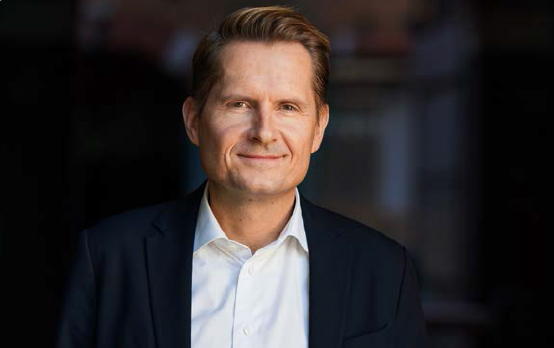
“Denmark faces a critical challenge: retaining international labour,” says Asbjørn Overgaard, CEO of Copenhagen Capacity, in a statement.
“Our newly published Expat Survey 2025 reveals both strengths and weaknesses in our ability to integrate and retain foreign labour.”
Lack of inclusion drives some away
Still, 7.7% of respondents, dubbed “The Discontent,” said they plan to leave Denmark earlier than expected. Their top reasons include a lack of inclusion at work, difficulties finding a job, and challenges making Danish friends.
The survey shows that 50% of internationals leave Denmark within five years — a figure that has increased over the past decade. This trend is particularly troubling given Denmark’s growing need for qualified foreign workers in a shrinking EU labour market.
Most come for work or study
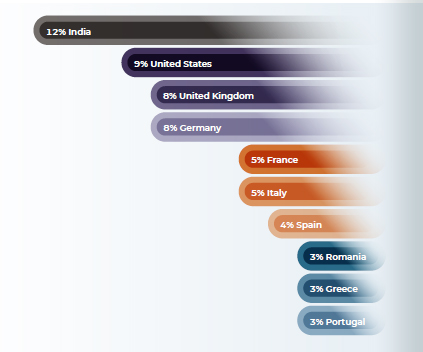
Denmark attracts talent primarily for professional or academic reasons. A third (33.7%) of respondents moved for a specific job, while 28.4% came to study or do research. Only a small number cited poor conditions in their home countries as a reason for relocating — indicating that Denmark is primarily chosen for its own merits, not as an escape.
Among those who have already left Denmark — the “Global Nomads” — the most common regret was not finding suitable employment or social integration opportunities.
What could help?
To improve retention, the report recommends:
- Better access to job opportunities, including targeted job portals and career services
- Enhanced onboarding and mentorship at workplaces
- More structured support for spouses and families
- Social events and cultural engagement opportunities to promote belonging
A call for long-term thinking
The report concludes that Denmark must take a long-term approach to make international residents feel at home, rather than merely welcome in the short term. With internationals contributing over DKK 361 billion to the Danish economy in the first half of 2025 alone, the stakes are high.
As Asbjørn Overgaard puts it:
“It is crucial that we create the best possible conditions for those who choose to settle here.”
“Denmark must be more than a stop along the way – we must be a home.”
Read / download the report here!


lot of good information:)