


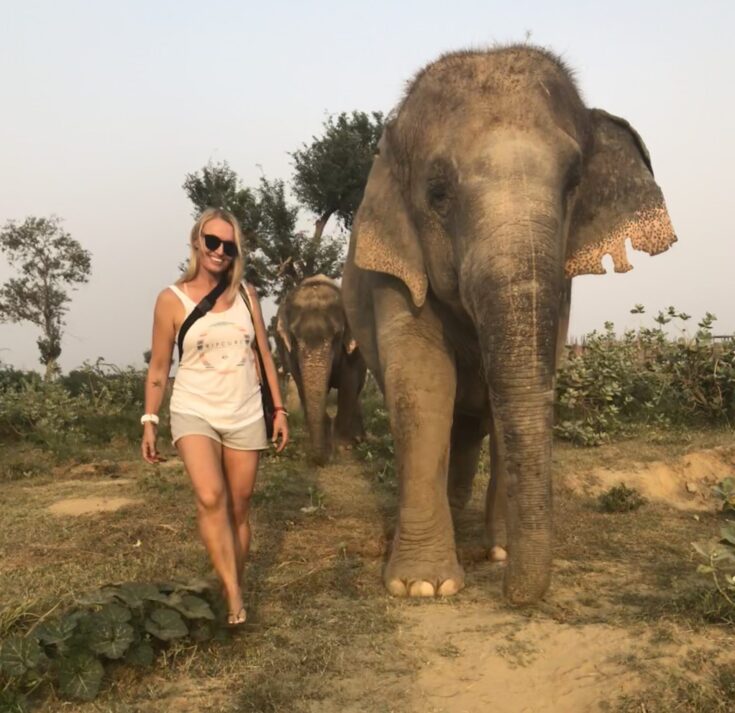
White sandy beaches at sunset. Tiny tropical islands surrounded by azure blue waters. Jungle trekking adventures with elephants. Over 12 million tourists visited Phuket in 2025, enjoying the Thai dream vacation. Their wallets fund the island. But the tourism industry takes its toll, often borne by nature and animals.
Finnish expat and long-term Phuket resident Tiina Tiitinen works every day to make Phuket tourism more ethical and sustainable.
A past as a tourist
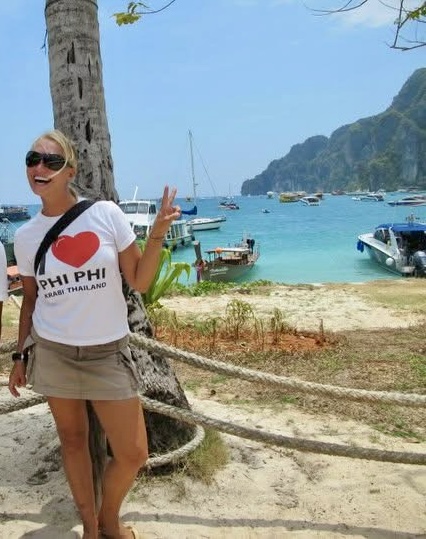
When Tiina first arrived in Thailand back in 2002, she was just one among thousands of Nordic tourists eager to enjoy a nice vacation. She went to the beach, she ate Thai food, and like most tourists at the time, she wanted to see animals.
“We rode elephants,” Tiina remembers. “It was what everybody did back then. It was part of the Thailand experience. I loved animals, and I thought it was a good way to see them. At that time we didn’t know anything was wrong with it.”
Elephant riding, tiger cafés and crocodile shows are popular attractions for tourists visiting Thailand.
In 2021, it was estimated that somewhere between possibly 4,000 elephants were living in captivity in Thailand. Many of them work in the tourism industry and are used for elephant riding, a practice highly criticized by multiple NGOs and animal rights organisations.
Return to Thailand
In 2007, Tiina returned to Thailand to work as a tour guide and diving master in Phuket, mainly for Finnish tourists, and she has remained there ever since.
“I love Thailand. I love the people. I love the culture. I love being a guide here. I get to help people make their vacation dreams come true,” Tiina says
Over the years, Tiina has gained much experience in the Thai tourism industry, but her passion lies with animals.
“I have always loved animals. Growing up in the Finnish countryside, I always had pets growing up. I was technically allergic, but I used to lie to my parents so they would let me get more,” Tiina smiles.
From her years of experience working in Phuket, Tiina has become a strong advocate for ethical tourism.
“Ethical tourism just means that your holiday activities should not hurt anybody. It is so simple, but so important,” Tiina says.
Today, she organises travel tours through her connections in Thailand and India, where ethical tourism is at the forefront.
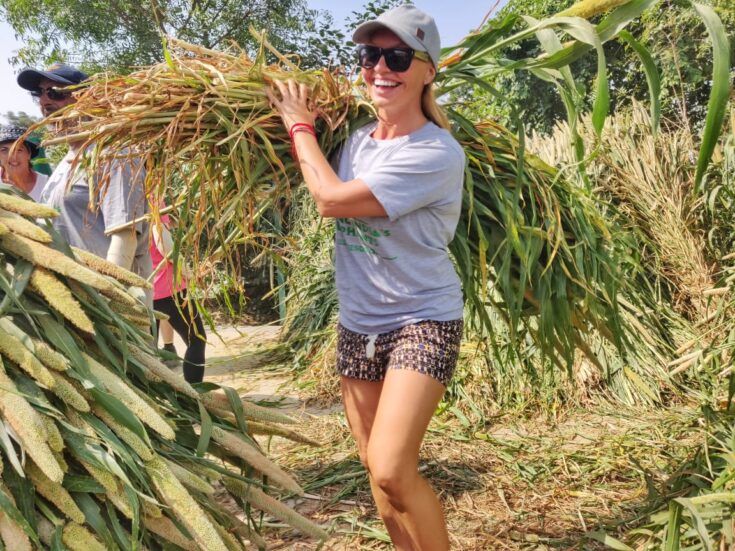
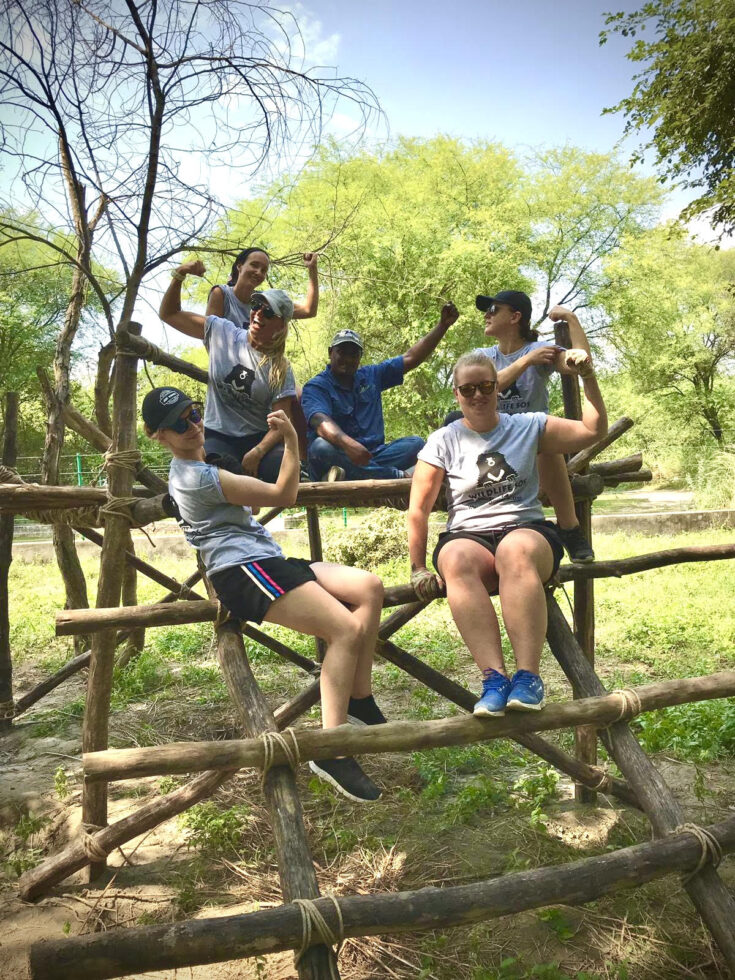
“On the tour, we spend time volunteering for different causes, making a difference, and supporting local people and NGOs. It’s a balance of enjoying your time while also giving back to the people and places you visit,” Tiina says.
Elephant riding
Elephant riding is a no-go for ethical tourism. And to Tiina, it is personal.
“I am ashamed I ever took part in it. Today, every time I see signs for riding camps, I feel a stab in my heart. It is just not right,” Tiina says.
Since Tiina moved to Phuket in the mid-2000s, a lot has changed. Ethical tourism has become more prominent. This is a change Tiina is happy to see, although she doesn’t think it is going far enough.
“Some riding camps have stopped offering riding tours and instead offer elephant bathing, which is still not ethical because it includes the same brutal training methods that riding does. The only truly ethical way to experience elephants is just observing them in the wild or in sanctuaries,” Tiina explains. “There has been a lot of change over the years, but it is slow. Sometimes I feel hopeless, but I pray that one day elephant riding will be no more.”
Being a guide
Over her almost 20 years in Phuket, Tiina has helped thousands of tourists achieve their dream vacations, and that is something she is proud of.
“I feel very good that I can share my knowledge and my experience to help other people have the best possible experience. At the same time, I can guide people and explain to them how to have the best time while still remaining ethical,” she says.
Research is key, Tiina explains. Looking through all providers, reading reviews, and asking questions are essential steps, but it can be challenging.
“Many providers will lie,” Tiina says. “They will say something is ethical when it is really not. It is hard to navigate. But I am very grateful I have the chance to help and guide people while ensuring we are being sustainable and ethical. I am always happy to help.”