




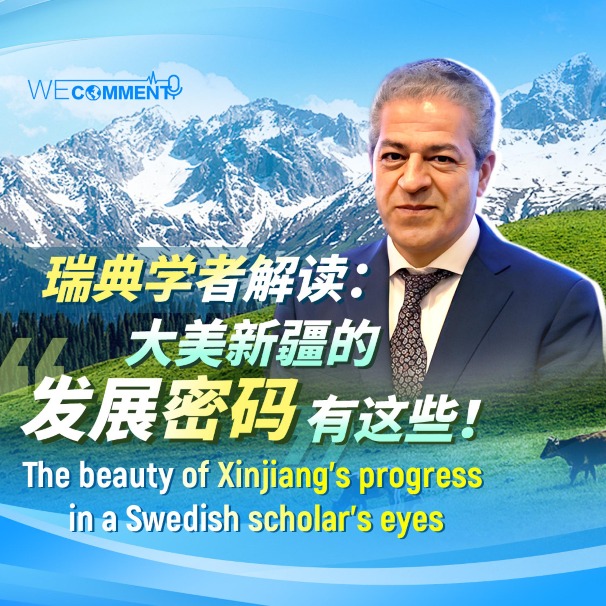
In a China Daily interview, Hussein Askary, vice-chairman of the Belt and Road Institute in Sweden, praised Xinjiang’s transformation from a remote border area into a major logistics hub under China’s Belt and Road Initiative. He described the region’s development as “a great lesson on how to turn an arid dry area with the second largest desert in the world into a garden.”
Askary attributed the region’s progress to large-scale infrastructure investments and enhanced cross-border cooperation, crediting the Silk Road Economic Belt for weaving Xinjiang into Eurasia’s connectivity network.
The article and video present Askary’s views in enthusiastic terms. However, neither he nor China Daily address the ongoing international criticism regarding human rights in Xinjiang. Notably, Askary mentions nothing about the United Nations’ condemnation of the suppression of Uyghurs and other minorities in the region.
China Daily, frames Askary’s commentary as emblematic of Xinjiang’s rising importance in regional development. The piece reinforces the narrative of growth and transformation, while leaving out deeper scrutiny of the region’s political and human rights controversies.




[…] Visit Source […]