

In her work for Mission Alliance (Misjonsalliansen) as Country Director, the Philippines, Karin Riska has experienced both challenges and rewarding results from efforts to help vulnerable children and people. Here, she shares insights into the organisation’s work while reflecting on more than four years spent in the Southeast Asian country – a period that coincides with the Norwegian NGO celebrating 50 years of presence in the Philippines.
For 125 years, this ecumenical Christian non-governmental organisation has stood alongside communities worldwide, creating real change and long-lasting impact by working closely with local partners. Protecting children against abuse and trafficking, financial lending including microfinance, climate mitigation and sustainable development has been central to its programmes and efforts.
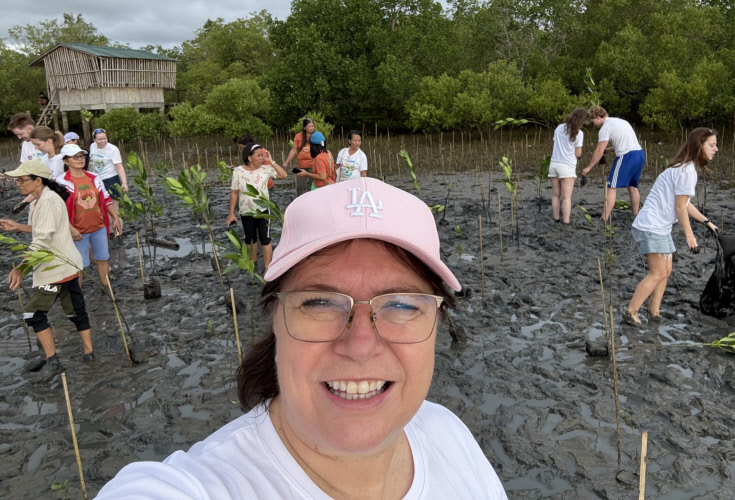
“The Christian faith is its foundation, but since the very beginning it has been focusing on diaconal work. So, it’s more about capacitating both churches and also local communities to be involved in social work – helping the most vulnerable to be integrated and empowering the poorest, children and people with disabilities and so on,” Karin informs.
Asked to explain, she says that ‘ecumenical’ means working with all churches: “Even though it started in the Lutheran State Church – where we still have a strong collaboration with the Lutheran Church in Norway – the organisation is ecumenical, meaning that we don’t have a specific theology.”
“That’s why, for instance, in the Philippines, we have very good collaborations with both the Catholic and the evangelical churches. But more than that, it’s also important for us to work with all good forces, such as Muslim communities, that have many of the same values as the Christian churches when it comes to building communities. It’s about finding good forces in all communities and uniting them – which is more important than ever.”
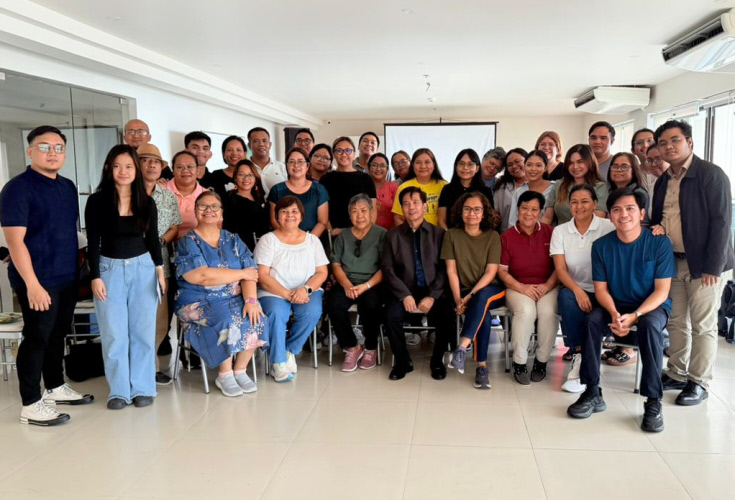
“But the foundation is the Christian faith, and that goes both for the Mission Alliance and myself; that’s what motivates me to contribute. It’s my conviction that everyone is created equally important and has the same worth and are valuable, and that we all have equal rights in a world with so much injustice. There is a lot to do. And I’ve been engaged in this – fighting injustice and combating poverty and working for peace and so on for many years – but it was in particular in the wake of Covid-19, seeing more poverty and struggles, that I felt like I had to go out again and do something and to contribute. Because I can, and I’ve had the opportunity to do so,” says Karin. “But of course I don’t want to glorify it. It’s not only about faith. Of course, I love living in different cultures, learning about different cultures and perspectives, and it has really given me a lot as a person and a human. In particular my 5 years living and working in Palestine and Israel meant a lot.”
In previous roles Karin was also able to travel abroad frequently to many different countries and continents, in particular with the Grimstad Bible School and its ‘World Wide Walk’ – a global-focused study track at this Norway school, designed for students who want to live abroad over a longer period and engage in volunteer or mission work internationally.
“I did teaching and counselling, and in particular worked with the volunteer programmes abroad, building partnerships with local partners and also Norwegian partners in different countries, to facilitate for the students. Therefore, I also travelled quite a bit in different countries during those years.”
“It remains a passion for me to get the youth of Norway out and learn more about the world; to have a bigger perspective and understanding about the challenges and that they can contribute to a better world.”
Local partnerships at the heart of development
Building partnerships has also been a key task for her in the Philippines, where the Mission Alliance works work with a number of implementing partners, all local NGOs (Center for Prevention and Treatment of Child Sexual Abuse, Ecowaste Coalition and Philippine Children’s Ministries Network being among them.)
“We implement the work together with local partners, which is key in general for sustainable development – to have the locals fronting and us being there to support. It’s their country and their communities, so we need to collaborate as much as possible; in particular when it comes to the community development, for instance in strengthening disaster readiness. So, some of the projects is about strengthening the local communities to be better prepared – in particular for the protecting the most vulnerable: like children and people with disabilities. That’s why we also have strong collaborations with local authorities.”
“That’s definitely also one of the great joys I have, working with so many competent and empowered organisations, but also government agencies,” adds Karin.
The religious communities are also very important, as the majority of the Filipinos belong to a church.
“As a faith-based NGO it’s also easier for us to connect with them. Often, we work with the Catholic Church and Protestant churches. In general, in the Philippines, people trust the church more than the government authorities. I guess it’s complex why they do not trust those, but it’s sometimes linked to corruption and that’s a big challenge, also for our organisation to take seriously. There are a lot of bureaucracy too – which is another avenue where we can support them because I know that there are so many people and agencies within the governmental structures that are involved and doing a good job. There’s a strong will to protect the children and help and serve from smart people with really big hearts.”
“Sometimes it, however, gets inefficient or they don’t always see what is needed to be done and how they can implement, for instance, child protection in an efficient way in their communities. Then, bringing stakeholders together and discussing, planning and finding solutions together. helps them also to find solutions together with others. As it says also in our name: We are an alliance and like to work in alliances. That’s one of the strengths; that we have strong partnerships in many places that leads to more sustainable results.”
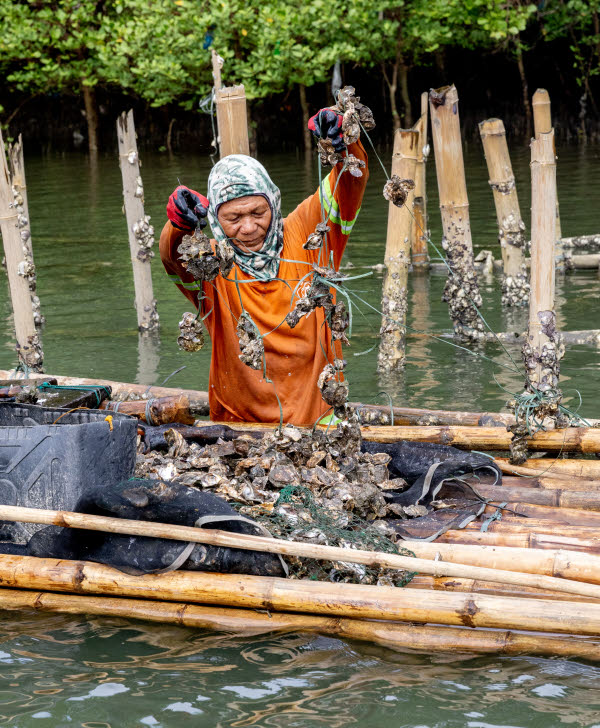
In addition, Karin says that it is important to include the government and local authorities. Those, she explains, in turn need help from NGOs and others to implement the law and make sure that it works and that children are protected in local communities.
“So, it’s extra important with this collaboration. We also collaborate with the liaison police officers in the different embassies that also collaborate on investigations together with the Filipino police to protect children from sexual abuse.”
Tackling child abuse and online exploitation
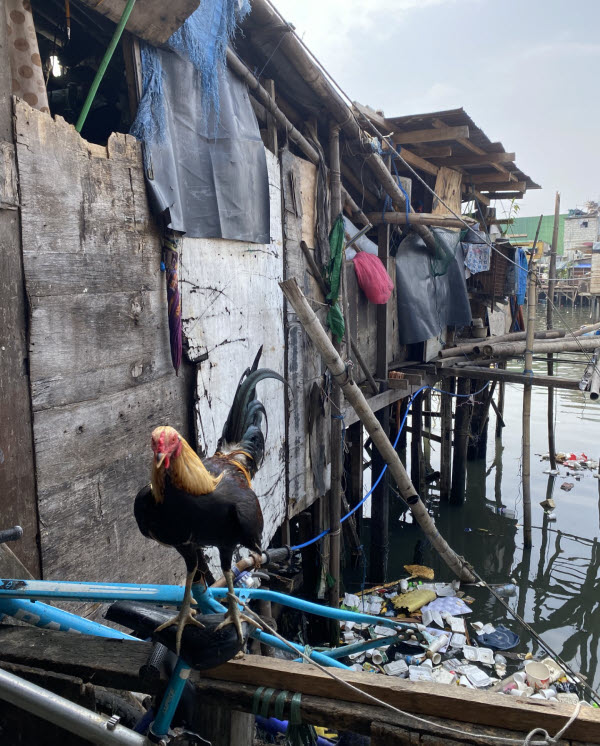
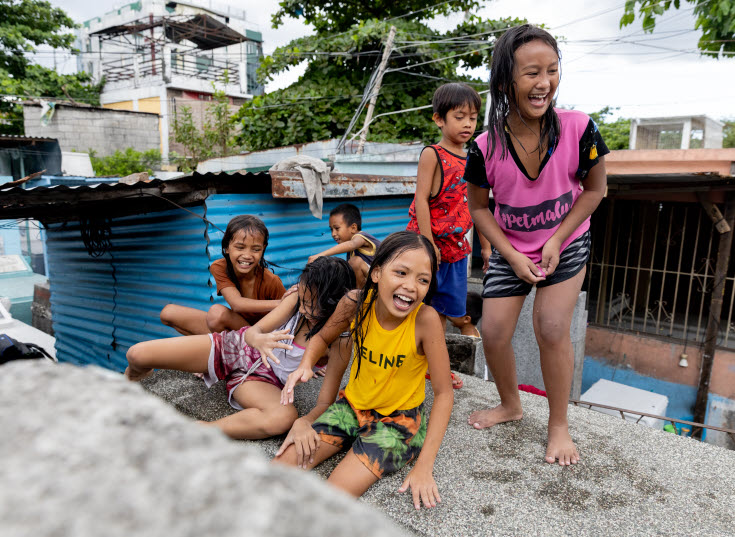
“Child protection is something we’ve always worked on since the start, in the slums of Manila. But in the past few years there has been a stronger priority on that; in particular relating to sexual abuse and exploitation of children; trafficking of children online and offline.”
“During the pandemic, the sexual online abuse went through the roof and unfortunately the Philippines is a hub for this. It usually takes place among family members living in poverty, often mothers selling their children online for exploitation. And that is something where we see we can contribute in helping out.”
This type of abuse, informs Karin, gets a lot of attention within the Philippines and a new anti-online sexual abuse and exploitation of children law came into effect in 2022, that severely penalizes digital exploitation, live-streamed abuse, and the production or possession of abuse materials.
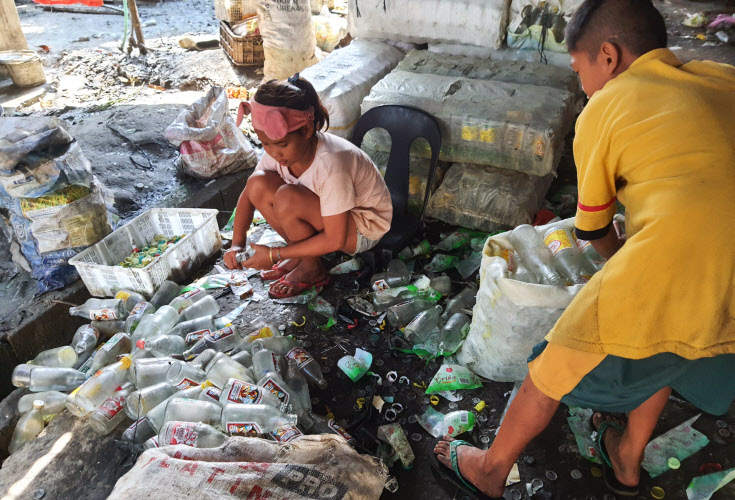
“For us it’s extremely important with awareness and that the children, and teenagers in particular, are aware that they also can make a difference for others by spreading information and preventing abuse from happening.”
“It’s challenging because often it’s connected to poverty and there’s no quick fix in combating that. There are a lot of discussions around why mothers sell their children. I think the answer is complex; often it’s about lack of understanding of the consequences. Many of them will say: ‘It’s happening from home so it’s safe.’ This also tells that there is a clear lack of knowledge of the consequences and then we need to inform more about that. We also need the authorities to be empowered to reach the local, especially the poor, communities – where it’s not easy to reach through,” says Karin.
“From our side, we hold events with the local villages – the barangays – collaborating with the local authorities. It’s very important to do prevention work at schools and also to be aware of what signs to look for and rescue children from abuse. That kind of information and advocacy work is very important, including through the various churches also.”
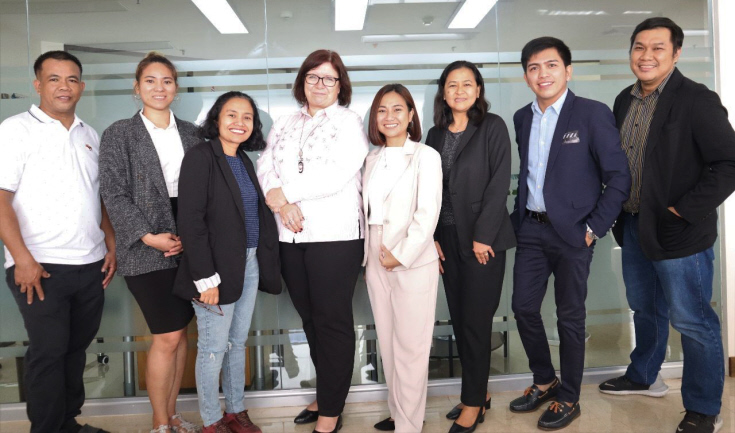
Gathering people for conferences and events she feels is easy, but to actually make change happen in the communities are more challenging.
“You also have to make sure that you set up action plans in order to reach the goals of ensuring that for instance local communities know how to prevent child abuse.”
“Building a kind of a joint community where you also take responsibility for those that are not in your family when you see a child suffering – I see that as challenging when it comes to increasing the reporting of abuse happening.”
When the situation may sometimes seem overwhelming, there is always hope.
“A lot of it! I always look for hope and we have seen progress. Definitely where we’re working with different stakeholders, you can see that happening. And we see also how, for instance, local government agencies also step up when they know how to do it, when they know how to protect the children.”
From vulnerable communities to lasting impact
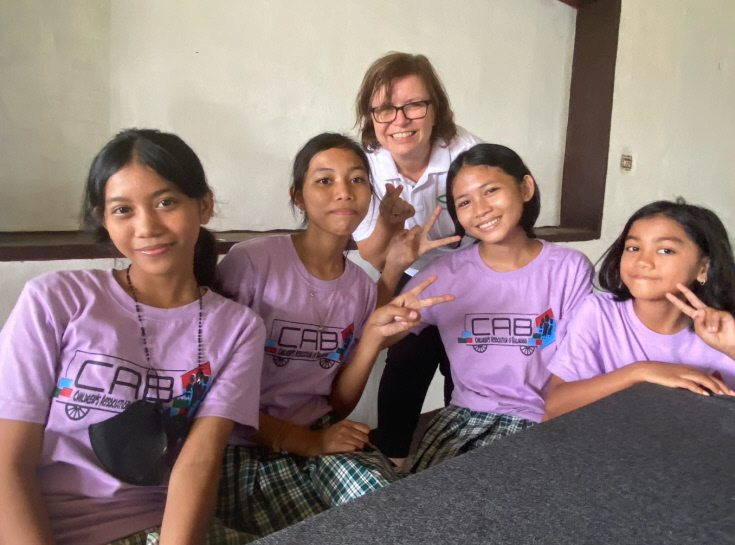
One example of progress has been the partnership with the Ecowaste Coalition on capacitating and empowering the local waste workers. Those have gone from hazardous waste collection to become hired by the local community as formal waste collection personnel.
“It’s a beautiful example on how we can empower individuals that don’t have much resources in hand. If they get some support, they can step up and take responsibility.”
Scandasia’s readers can also help out if they so wish, and that includes possibilities for businesses to conduct ESG activities. “They can definitely connect and we can discuss how they can best collaborate with us,” responds Karin. “And it’s not only about financial funding, it’s also about being involved; increasing knowledge by sharing your competence with local communities, if you have a company with many engineers, for instance. In specific areas they can help with strengthening, for instance, agriculture projects or other kind of livelihood programmes. They can also do advocacy work, which I see has a big value; like with companies within the Philippines making sure that also one’s own staff are aware of, for instance, child protection in the society.”
Mission Alliances also has a significant presence in Cambodia and Vietnam, with a significant part of the governmental NORAD funding being used in those countries, while its activities in the Philippines are dependent on private funding.
Towards the end of 2026, the ecumenical NGO is also reprioritising its work to meet needs in poorer nations in Africa. This means that they will close their Country Office in the Philippines, and the programs they support through local NGOs will be followed up from Oslo.
“The child protection programmes we have will continue also after 2026.”
For Karin personally this means her role also comes to an end, and she is anticipating a new adventure in 2027.
All photos copyright: Mission Alliance, Norway.