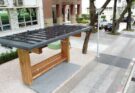



A bus shelter in central Bangkok is now being described as a small glimpse into the future of urban energy.
A new collaboration between Chulalongkorn University and Swedish solar technology company Midsummer AB has resulted in what is believed to be the world’s first carbon-negative solar bus shelter, Midsummer reports.
The project is developed through Midsummer’s Thai subsidiary Midsummer Siam Co., Ltd. and the university’s Faculty of Architecture. It combines renewable energy, sustainable materials and architectural design in a single public structure located in front of the faculty in Bangkok.
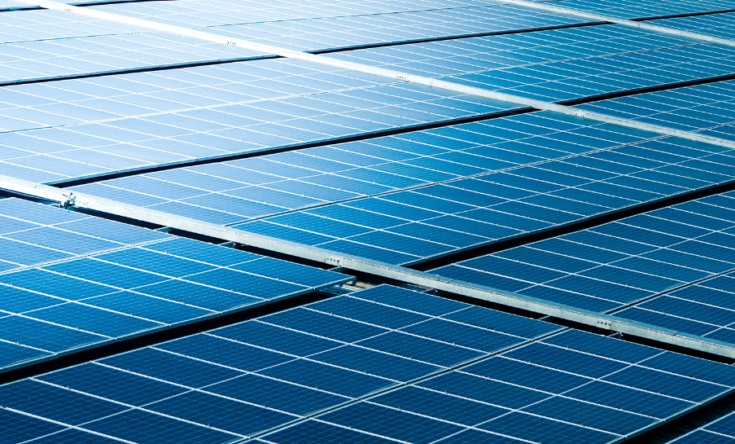
The shelter is built using engineered wood, designed to act as a long-term carbon sink, combined with lightweight thin-film solar panels. The system generates electricity for lighting, fans, mobile charging and digital traffic information.
“This is a prime example of future energy-generation in urban environments: smart, small-scale and distributed solar energy,” said Lars Svensson, Representative of Midsummer Siam and Head of Strategic Partnerships and Business Development ASEAN for Midsummer AB.
“And enabled, of course, by Midsummer’s light and durable thin film solar panels that are ideal for these purposes.”
Urban innovation in Bangkok
The initiative is part of a broader MoU between the partners focusing on renewable energy integration, sustainable architecture, low-carbon construction systems and climate-positive urban development.
Assistant Professor Sarayut Supsook, Dean of the Faculty of Architecture at Chulalongkorn University, said the collaboration demonstrates how academic institutions can play a direct role in real-world climate solutions.
“By integrating architectural design, renewable energy, and sustainable materials, we can explore new urban solutions that respond to both climate and societal needs,” he said.
The project is intended as a research and demonstration platform for future urban infrastructure and may serve as a model for similar developments in Bangkok and other cities.