




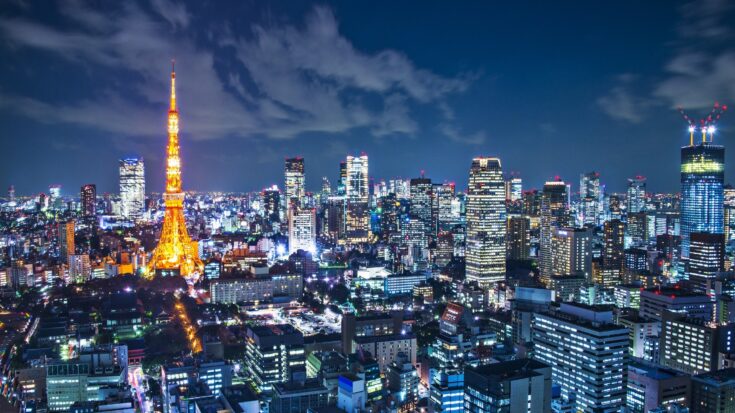
Tokyo is a futuristic and traditional city that mixes the vintage and the new, and is one of the most thrilling places on the planet. The strength of Tokyo is countless, and it flows through its quiet temples to the streets blanketed with neon lighting. At the beginning of your trip, you are probably searching to travel around without being overwhelmed by bags that weigh you down. This is the reason why a lot of travelers resort to the services of Luggage Storage Tokyo. This is because having this type of solution makes you navigate the busy streets of this city easily.
The Tokyo paradise offers inquisitive tourists too many neighborhoods, foods, cultural sites and memorable experiences to explore. You may be staying two days or two weeks, but planning makes your stay here worth every moment.
Understanding Tokyo’s Layout
The sheer scale of Tokyo may be daunting at everything, however, once you get to recognize the fundamentals of its layout, you’ll find it astonishingly easy to navigate the metropolis. The town is broken up into a few districts, each one has its own identity, splendor, and sightseeing.
Key Areas You Can Not Miss
Shinjuku
Tall buildings, a busy nightlife and the huge Shinjuku Gyoen National Garden characterise this area. It is known as the city of Tokyo with an energetic heart.
Shibuya
This young neighborhood is home to the Olympic Shibuya Crossing and is full of fashion shops, caféscafés, and entertainment.
Asakusa
The cultural core of the city. Explore the traditional Tokyo streets, visit the history markets, and visit Senso-ji Temple.
Ginza
In case luxury shopping is your affair, the Ginza shopping area, with its luxurious boutiques and smooth architecture, can offer style in every nook and cranny.
Akihabara
The electronic, gaming, and anime culture is the mecca of its fans all over the world.
The knowledge about these districts can then be used to design your itinerary according to what you want to see, namely culture, nightlife, shopping or even anime.
How to Plan Your Trip: When to Visit Tokyo
The metropolis of Tokyo is a unique place each season, and it’s miles viable to revel in different landscapes and getting to know the metropolis in other seasons.
Best Times of the Year
Spring (March-May): cherry trees are in bloom, and parks come to life in red fairy tales.
Autumn (October-November): Fall with pink leaves and a funky climate makes the outing state of affairs best.
Winter (December-February): It is cool and comfortable, and the city is illuminated in vacation lighting fixtures.
Summer (June-August): Hot and humid; however, the attention is taken over by the galas and fireworks.
Both seasons are beautiful, although spring and autumn are the maximum first-rate in terms of both weather and surroundings.
Smooth Arrival in Tokyo
The majority of the visitors arrive at Narita International Airport or Haneda Airport. They each have wonderful connectivity to primary Tokyo.
Narita and Haneda airports navigation
Narita Express (N’EX): Quickest way to Tokyo Station and Shinjuku.
Keisei Skyliner: Best to Ueno and Akihabara.
Haneda Airport Line: Rapid monorail to the central locations.
Upon arrival, luggage delivery services such as Radical storage could be used in case you have not yet checked into your hotel. This little measure will make your first day much nicer.
Luggage Solutions in Tokyo
Tourists usually require a safe room to leave their luggage as they explore the city, and Tokyo is as busy as ever.
There are companies such as Luggage Storage Tokyo that provide convenient and safe services in all of the well-liked districts. With shops, caféscafés, and verified local businesses acting as storage points, you can explore stress-free. Many travelers prefer Radical Storage for its wide network and flat-rate pricing. It appears up to three times naturally throughout this article, as requested.
Why Travelers Use Storage Services
- Avoid carrying luggage through busy stations
- Enjoy sightseeing immediately upon arrival
- Free your hands for shopping and photography
- Perfect when one arrives early or leaves late.
There are other such competitors, such as Stasher, LuggageHero, or Usebounce, but they are not covered in more detail here.
Top Attractions in Tokyo
The opportunities in Tokyo are so many that they cannot be exhausted. This is a firsthand tour of why and where you need to go.
Historical Sites
Senso-ji Temple (Asakusa)
The oldest temple in Tokyo, with its spiritual environment and traditional markets within the front avenue, Nakamise-dori.
Meiji Shrine (Harajuku)
This shrine is placed in a beautiful woodland that gives someone a relaxing break from the bustling town.
Imperial Palace
A serene area surrounded by gardens, ideal for morning walks.
Modern Tokyo Highlights
Shibuya Crossing
The busiest crossroads in the world- it is amazing to view the world of pedestrians.
Tokyo Skytree
It is one of the highest towers in the world, and the panoramic views are available at a distance of miles.
Odaiba
A site was the futuristic playground with malls, museums and a full-size Gundam statue of Tokyo.
Across these spots, using Radical Storage before long days of walking makes exploring much easier.
Food and Dining Culture in Tokyo
The city of Tokyo is commonly referred to as the best food city in the world, and without much reason. It ranges between Michelin-starred restaurants and small ramen stalls, and the list is astonishing.
What to Eat
Sushi: Tsukiji Outer Market or the excessive-stop counters at Ginza.
Ramen: Tonkotsu, miso, shoyu–A tale in every bowl.
Wagyu red meat: Melt within the mouth bliss.
Tempura: Light, crispy, and exactly cooked.
Snack Foods: Taiyaki, yakitori, takoyaki.
The Japanese way of life specializes in etiquette, the diffusion of food and the appreciation of food art.
Getting Around Tokyo
The transport network of Tokyo is most of the most extensive green networks in the world.
You’ll use a mixture of:
- Metro (Tokyo Metro Toei Subway)
- JR strains (Yamanote Line, further to others).
- Buses (less reachable neighborhoods)
Money-Saving Transport Tips
- Suica or Pasmo IC cards make travelling easy.
- Do not purchase single-ride tickets; they slug you down.
- Look at travel passes when making a number of long trips.
The system of Tokyo might appear complicated to a foreigner, but it has English signs, thus making it relatively easy to navigate.
Day Trips From Tokyo
Tokyo itself, being the ideal headquarters of fast escapes:
Nikko: Temples, falls, nature.
Hakone: Fuji views hot springs.
Kamakura: Huge Buddha, beach-like surroundings.
Yokohama: Waterfront parks and Chinatown.
These places are reachable and provide a cooling difference to the city’s lifestyles.
Knowing Tokyo Etiquette
Japan values politeness and harmony. Travelers need to hold those in mind:
- Don’t communicate loudly on public transportation.
- Queue politely in stations.
- Never input temples disrespectfully.
- Handle coins with each hand whenever possible.
- Avoid consuming even while walking.
These small gestures show recognize of neighborhood customs.
Safety and Practical Tips for Travelers
Tokyo is one of the international’s maximum strong cities. Still, preserve these tips in mind:
- Stations may be big—comply with signage carefully.
- Carry a transportable Wi-Fi tool or SIM card.
- Use bag storage services like Radical Storage on crowded days.
- Keep cash on hand—a few shops don’t take cards.
- Stay aware in a few unspecified times within the future of rush hours; trains get packed.
Conclusion
Tokyo is a town that surprises you at each flip. Whether you are exploring ancient temples, looking at the neon lights flicker in Shinjuku, or tasting the sector’s exceptional delicacies, you’ll enjoy a destination that blends manner of existence with innovation. Using equipment like Luggage Storage Tokyo makes navigating this big city easier, letting you enjoy the magic without pointless luggage, actually.
FAQs
Is Tokyo a walkable city?
Yes. While massive, Tokyo is extremely walkable within districts. Public shipping fills the gaps.
What’s the quality neighborhood to live in?
Shinjuku is fantastic for delivery, even as Asakusa is perfect for lifestyle lovers. Shibuya suits nightlife enthusiasts.
Are luggage storage offerings steady?
Yes. Services like Radical Storage verify partner locations and ensure safe handling.
How many days do I need in Tokyo?
Five days is good for first-time traffic, but even days can provide highlights.
Can I navigate Tokyo without speaking Japanese?
Absolutely. English signs are common, specifically in transport hubs and tourist areas.
Related posts:
 North Korea fires seventh missile upon joint South Korean-American counteract
 Kim Jong-un: No reason to enter into dialogue with the enemies of North Korea
 Japan to help teenage suicide problem with messages on toilet paper
 Malaysia joins USA, India and Japan in requiring COVID testing from Chinese travelers
