



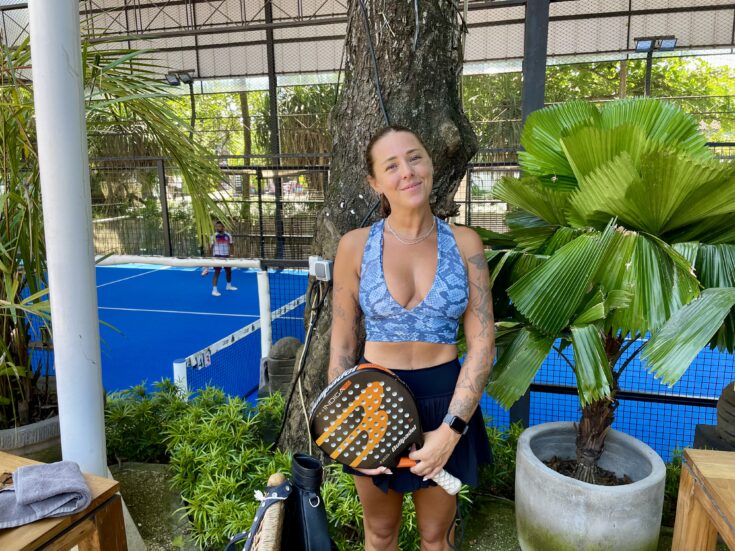
It’s tournament day at Jungle Padel Pererenan. Women arrive with rackets slung over their shoulders, greeting each other with hugs, tying their shoelaces, chatting and laughing before the matches begin. Some are new to the game, others regulars, but all look forward to the same post-game ritual: a fresh coconut, a seat in the shade, and a long conversation.
“It’s the vibe,” says Canadian player Jess Casey, 35, who plays padel six days a week across different clubs. “You meet people from so many different backgrounds—people I’d probably never have met otherwise. Padel brings us together.”
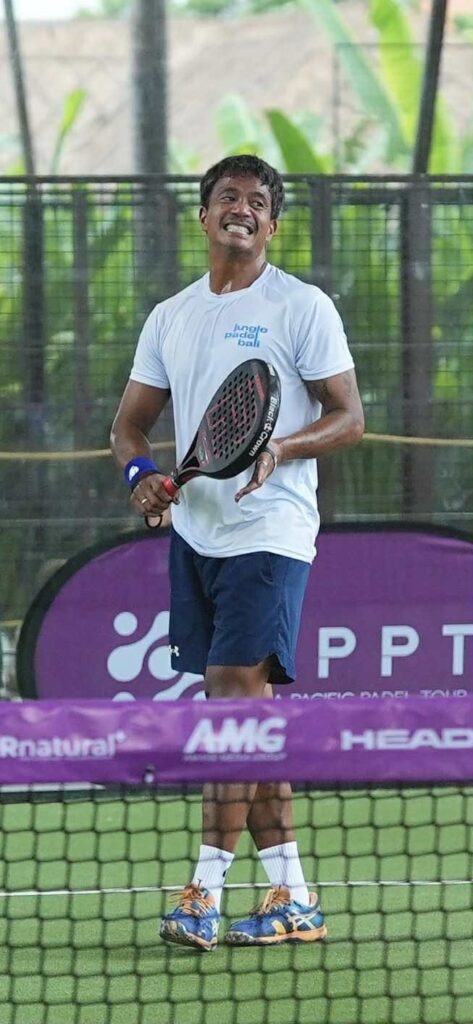
That sense of connection is exactly what 43-year-old Robin Ekman from Sweden had in mind when he and four partners launched Jungle Padel—officially opening Indonesia’s first public-access padel courts in February 2022. At the time, Robin Ekman had never run a business, never studied at university, and had no background in sports management. But he was ready to go all in.
Trading Stockholm for something more
In his mid-twenties, Robin Ekman was stuck. He had worked in Stockholm’s restaurant industry for years, but the late shifts and unpredictable hours were starting to wear him down.
“I always knew I wasn’t built for university. But restaurant life wasn’t sustainable either,” he says.
A conversation with his sister planted the seed. She had a friend living on Bali, and the idea that someone he knew had made a life there gave Robin Ekman just enough reassurance to book a two-month trip. That was in 2015.
“Within a month I was sold,” Robin Ekman recalls. “I met amazing people and felt like I could just be myself. People were open, curious—it was totally different from Sweden.”
He extended his stay until the summer of 2016 and eventually made the island home. For several years, he lived off rental income from his Stockholm apartment—but something was missing.
“I had freedom, but no purpose,” he says. “I was waiting for the right thing to come along.”
Finding padel—and the right people
That moment came during a 2020 visit to Sweden, when Robin Ekman discovered padel for the first time. All his friends were hooked on the sport.
“I just thought: why doesn’t this exist on Bali?”
While still in Sweden, Robin Ekman googled “padel on Bali” and found a simple website. A Swedish entrepreneur named Staffan Seaton, who had lived on Bali for four decades, was looking for investors. Robin Ekman reached out right away—but it took about six weeks before Staffan Seaton replied.
“I had almost given up, but when we finally met, it just clicked. I knew this was it.”
Staffan Seaton introduced him to Toni Montesanti, an Italian with a tennis background who had also fallen in love with padel. Together with London-based entrepreneur and padel enthusiast David Jepson, they became the first team behind Jungle Padel. A few months later, Swedish engineer Jonas Nordqvist joined the project, bringing his branding and technical expertise to the group.
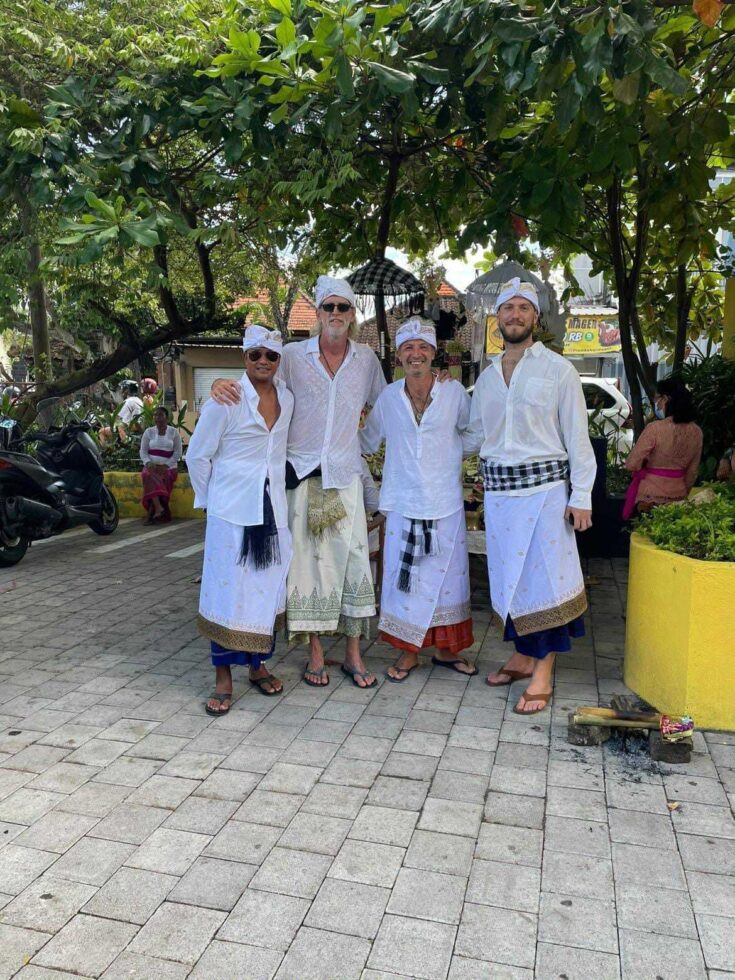
“It’s been important for me to do this with other Swedes,” says Robin Ekman. “There’s a shared mindset, a strong work ethic, and we speak the same language. That really matters when you’re building something from scratch.”
Letting go—and building something new
To join the project, Robin Ekman had to sell his apartment in Stockholm to raise the investment.
“It wasn’t hard. Actually, it felt like a relief,” he says. “It allowed me to fully commit and let go of the things tying me to Sweden.”
Since then, Jungle Padel has grown steadily. Seven clubs are open today, with four more set to open later this year or early next. Once complete, there will be one in Jakarta, two in Surabaya, and the rest are on Bali. Each club has between three and nine courts, and the founders are now looking to expand across the rest of Indonesia.
As co-founder, sport director and operational manager, Robin Ekman oversees hiring, training, events, and ensures each club runs smoothly. With a solid team in place, he has been able to step back from the long hours of the startup phase.
“I work maybe 10 to 15 hours a week now. It’s a good feeling to see what we’ve built running so well.”
Challenges on and off court
But the journey to get here wasn’t easy. Turning a new idea into a functioning business on Bali meant navigating countless hurdles, especially in the beginning.
“The construction was a nightmare,” Robin Ekman says. “Delays, miscommunication, broken promises. It’s a completely different world from Sweden.”
Introducing the sport itself was another hurdle. While padel was booming in Europe, it was virtually unknown on Bali, where badminton remains the dominant game.
“In the beginning, it was mostly tourists and expats,” he says. “To bring in locals, we started offering free sessions. Now we see more and more Indonesian players.”
That shift means a lot to him.
“It makes me genuinely happy—it’s important that this isn’t just for foreigners. We want the local community to be part of it, on and off the court.”
Looking to the next chapter
What continues to surprise Robin Ekman is how padel has become more than just a sport—it’s a way for people to connect.
“People don’t just play. They stay. They talk. They come back,” he says. “We’ve created something that connects people, and that’s what I’m most proud of.”
Jess Casey agrees. “It’s not just exercise—it’s community. You always end up talking to someone new.”

For Robin Ekman, that sense of community has become the heart of his life on Bali. Yet he knows he won’t stay on the island forever. He hasn’t been back to Sweden in two years and admits he’s starting to miss it—just a little. A visit is likely next summer.
But Sweden won’t be where the next chapter unfolds. Together with his girlfriend, he dreams of having children somewhere new, in a place that offers the same openness and freedom that first drew him to Bali.
“But no matter where I end up, Bali will always be part of me,” he says. “This place changed my life. It gave me community, it gave me purpose—and it gave me padel.”