



When Bjarne Honoré first arrived on Bali in 1999, it was only meant to be a holiday. But the visit became a turning point. One day, while having coffee at a café run by two Danes, he met Anak Agung Oka Dewi, a Balinese woman working behind the counter. They talked, laughed, and something clicked.
“I fell for her almost immediately,” says Bjarne. “There was just something about her presence.”
After returning to Denmark, he couldn’t stop thinking about her. A few months later, he travelled back to see her again. They were married in 2003.
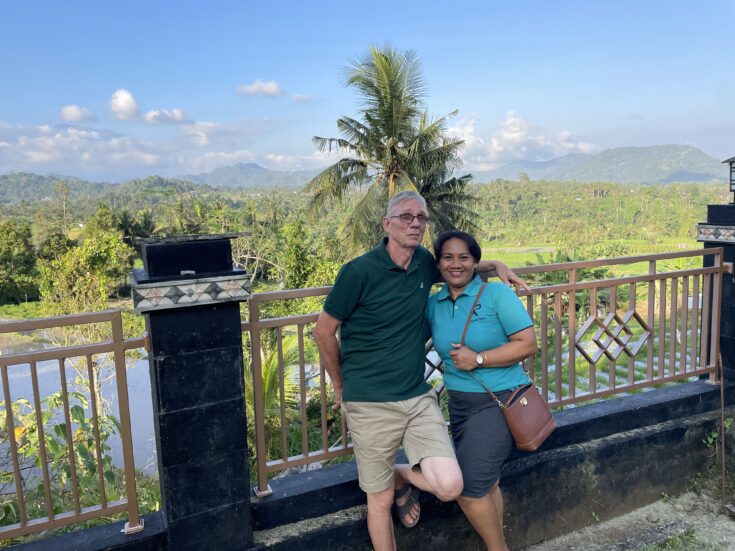
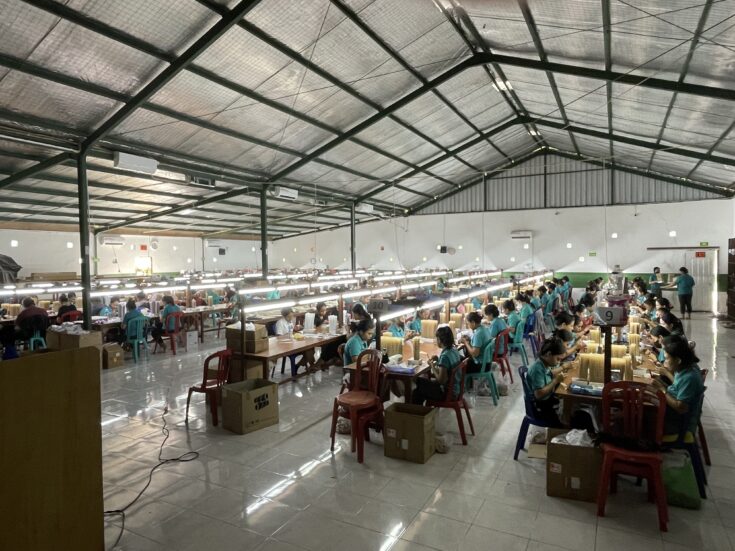
What began as a personal adventure gradually evolved into something much bigger. Today, Bjarne and Agung are the founders of Cv. Agung Paper, a growing export company with nearly 200 employees and a new factory set to open later this year. The business produces millions of pre-rolled cones each month—used for tobacco and cannabis—and supplies markets across Europe, Asia, and the Americas.
But their journey has also included deep personal and economic setbacks—from business failure and mental illness to family separation and a run-in with the Danish immigration system. The path to success has been anything but easy.
Building a business, losing himself
Long before the company found its footing, Bjarne and Agung had already spent years trying to build it up. They had invested everything they had—money, time, energy—into turning a small production into something sustainable. But the breakthrough never came. Growth was slow, problems piled up, and the burden of keeping it all afloat became heavier by the day.
“I had hoped it would take off faster,” says Bjarne. “But we just kept running into obstacles, and the pressure started to build.”
Eventually, it became too much.
“I started having constant headaches. I couldn’t think straight,” he says. “I had no energy at all.”
He went to see doctors on Bali but didn’t feel he could get the kind of help he needed.
“So I made the hard choice to leave,” he says. “I flew back to Denmark—just me and one of our children—to figure out what was going on.”
In Denmark, he was diagnosed with depression and generalised anxiety. For the next three years, he was on medication and received psychological treatment.
“It was an incredibly difficult time,” he says. “I had to live on social support. I was separated from my wife and the rest of the family. But I knew I couldn’t get better if I didn’t take it seriously.”
Back in Bali, Agung stayed with their two youngest children. Over the next two years, she visited Denmark a few times as a tourist—until, in July 2012, were she and the two kids moved to Randers. The family applied for family reunification, but the application was denied.
Because Bjarne was still on social support and officially not in a position to support his wife, the Danish authorities ruled that she had to leave the country.
Deportation and the fight to stay together
On a winter afternoon in February 2013, police officers knocked on the door to the family’s apartment in Randers and told Agung she was being deported.
“It was a horrible experience,” she says. “The children were crying. We just wanted to follow the rules, and suddenly I was being taken away.”
She spent the night in a detention facility before being granted a short extension so she could plan her departure.
“It’s hard for me to talk about that time,” she says quietly. “It was really painful. But now it feels like a different life.”
After leaving Denmark, Agung returned to Bali. The family would eventually reunite—this time for good. Bjarne had grown up without a father and couldn’t bear the thought of putting his own children through something similar. He didn’t want them to grow up without both parents around. So he made the decision to return to Bali and rebuild his life with them.
A second try
Back on Bali, Bjarne and Agung decided to try again. They returned to the business idea they had attempted years earlier: producing pre-rolled cones for smoking. The company had never closed entirely, but during Bjarne’s absence, it ran at low capacity. Now they saw a new opportunity.
The turning point came during the COVID-19 pandemic.
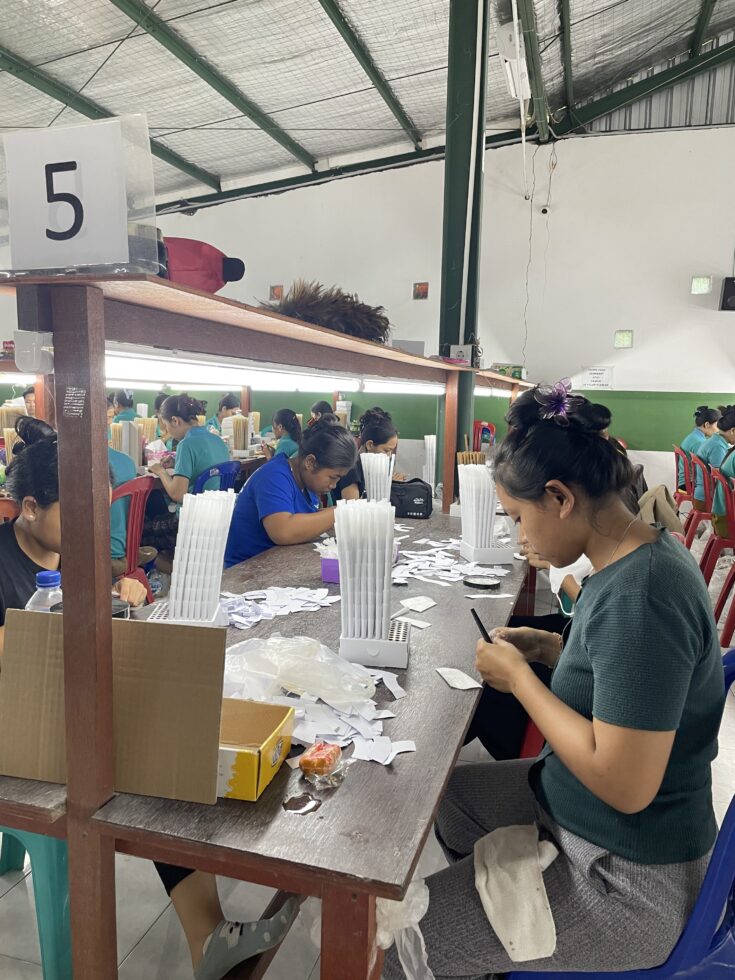
“People smoked more during COVID,” he says. “And several countries legalised cannabis. That helped the market grow.”
Today, Cv. Agung Paper exports to Europe, Thailand, Israel, Brazil, Canada and the United States. The company now produces around 7–8 million cones per month and is preparing to open a new factory in December. In the future, they expect to employ between 500 and 1000 people.
Scandinavian values, Balinese roots
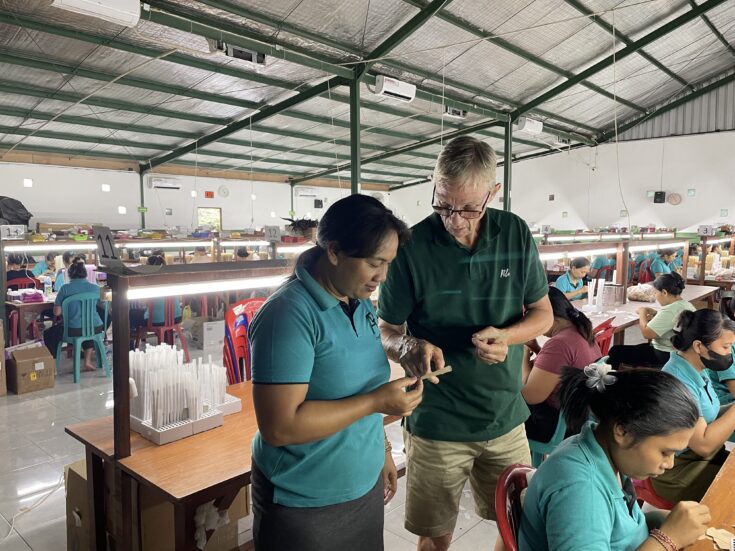
From the outside, the factory looks like any other light industrial building. But inside, there’s a work culture shaped by the unusual mix of its founders.
“We work eight hours a day, six days a week—but people choose their own day off,” says Bjarne. “If there’s overtime, they’re paid extra. I’ve tried to bring a Nordic mindset into what we do here.”
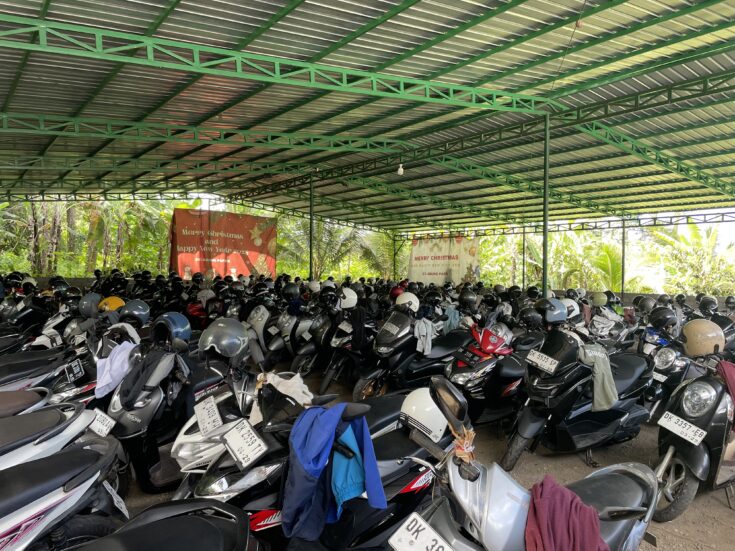
For him, that also means paying attention to small details that improve life for employees. At one point, many of the women would return to their scooters after work only to find the seats burning hot from the sun. So he built a large shaded parking area.
“I didn’t want the women to come out to a burning-hot seat after work,” he says. “It might seem small, but it matters.”
The company now employs around 200 workers, most of them women between the ages of 18 and 35.
“On Bali, i’s harder to get women to work after they marry,” explains Agung. “So most of our staff are young and independent.”
Many of them come from rural areas or have no formal education. Others live with disabilities.
“In Indonesia, it’s not easy to find a job if you don’t have school papers or if you have a handicap,” says Bjarne. “But we think everyone deserves a chance.”
In August, the factory celebrated Indonesia’s national day with a large staff party.
“Some of our employees have been here more than seven years,” says Bjarne. “It’s become a real community. The employees even come early just to eat breakfast together before the shift. It means a lot to me to see that.”
Prepared for what comes next
Even with the current success, both Bjarne and Agung are realistic about the future.
“You never know when the laws will change,” he says. “If smoking gets banned or cannabis becomes illegal again, the whole foundation could disappear.”
That’s why they’re already thinking ahead—testing new product lines and looking at alternative business ideas.
“We’re not naive,” says Bjarne. “But we’re not afraid either.”
They’ve been through enough to know that things don’t always go as planned. There have been setbacks, detours, and difficult decisions—but those challenges have also strengthened them. Today, they feel more prepared than ever to adapt if needed.
And whatever happens next, the foundation is already in place.
“I feel like I’ve received everything I ever dreamed of,” Agung says. “A loving family. Healthy children. And the chance to build something that helps others too.”