




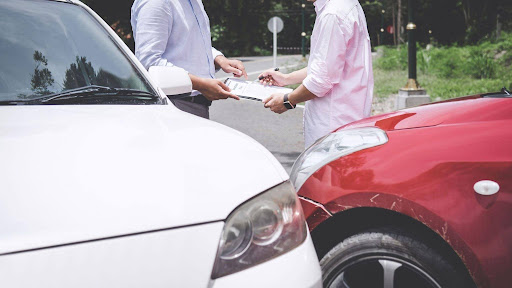
Motor accidents can create more than one kind of financial loss. You may have to deal with damage or injury caused to another person, while your own car may also need repairs. This is why it is important to understand how third party insurance and own damage cover work together.
Although these two covers serve different purposes, both can become relevant in the same accident. This article explains how these two cover work together in a claim.
Understanding Both Covers
Many car owners assume one policy automatically handles every kind of loss after an accident. In reality, the result depends on the type of cover you have. Third-party cover takes care of your legal liability towards others, while own damage cover is meant for loss or damage to your own vehicle.
Understanding this difference helps you read your policy more clearly, avoid wrong expectations at claim time, and understand why car insurance price can vary depending on the level of cover.
Third-Party Insurance in a Claim
This cover applies when your car causes injury, death, or property damage to another person.
What it Covers
Motor insurance is mandatory in India. It protects you if your car causes injury, death, or property damage to another person. In a claim, this part of the policy covers the loss suffered by the other party, not the damage to your own car.
What it Does Not Cover
This cover does not pay for damage to your own car. So, if your vehicle is damaged in the same accident, third-party insurance alone will not cover your repair costs. This is necessary for legal compliance, but it offers only limited protection in practice.
Own Damage Cover in a Claim
The cover helps protect your car if it is damaged in an insured event.
What it is Meant for
Own damage cover protects your car. It can help with repair or replacement costs if your vehicle is damaged due to an accident, theft, fire, or certain natural disasters covered under the policy. This cover can be included in a comprehensive plan or purchased as a standalone own-damage policy, provided a valid third-party policy is already in place.
Why Does it Matter in the Same Accident
A road accident can lead to two types of loss simultaneously. One is your legal liability towards another person, and the other is the damage to your own vehicle. This is where own damage cover becomes important, as it helps cover your side of the loss that third-party insurance does not.
How Two Covers Work Together in a Claim
Each cover handles a different part of the loss, which is why both may become relevant in the same claim.
When Another Person Suffers Damage
If your car damages another vehicle or injures another person, the third-party part of the policy comes into play. Its role is to address the liability arising from the accident. It helps to cover the legal and financial responsibility you may face toward the affected third party. This is why third-party insurance is essential, as it offers protection against unexpected liability-related costs and supports compliance with legal requirements.
When Your Own Car is Also Damaged
If your own car is damaged in the same incident, that part is handled separately through your own damage cover. If you have comprehensive insurance, both cover work together within the same broader policy. If you only have third-party cover, your own repair costs remain your responsibility.
Why This Combination Matters
This is the simplest way to understand how the two covers work together. Third-party cover protects you against liability towards others, while own damage cover protects your own car. In a specific claim, these two covers do not overlap because each addresses a different part of the same incident.
Final Thoughts
In a typical Indian claim, third-party insurance and own-damage cover play two distinct but interconnected roles. One protects you against claims from others, while the other protects your own vehicle. Once this difference is clear, it becomes much easier to understand what your policy actually does and whether your current level of cover matches your real needs on the road. It also helps you make better renewal decisions and avoid confusion about which part of the policy responds in different claim situations.
Related posts:
 Moving to a New City in India? Why Installing a Dashcam Could Be Smart for Your Car Insurance Online
 Cheapest Car Insurance: How to Compare Quotes without Missing Key Covers
 Why New Car Insurance Premiums Feel High: The Real Reasons Behind the Price
 Why Third-Party Insurance May Feel Cheaper but Cost More Later
