


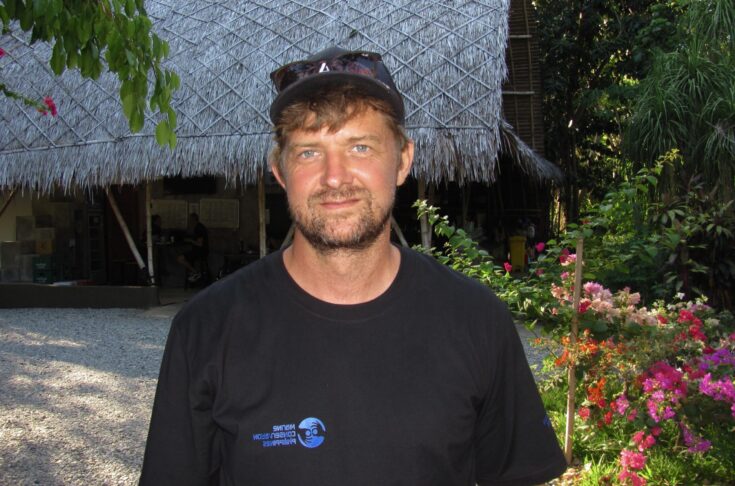
As coral reefs decline and fish populations shrink along the Philippine coastline, Søren and Magnus are working with local fishing communities to protect the ocean they still depend on for survival.
Hidden behind enormous palm trees, road signs warning about crossing kangaroos and gravel roads that seem almost impossible to navigate, there is a small folk high school-like atmosphere with one shared goal: finding ways to protect marine life while helping coastal communities survive alongside it.
On Negros Island in the Philippines lies Marine Conservation Philippines in Zamboanguita.
Here, the organisation works with coral studies and marine surveys aimed at helping researchers better understand how the ocean around the Philippine coastlines is changing.
Because beneath the surface, something is happening.
Corals are struggling against rising temperatures. Fish populations are shrinking. And in many coastal communities, the ocean is still directly tied to whether families can put food on the table.
And it was exactly that development that led Danish couple Søren Knudsen and his wife Helle to establish Marine Conservation Philippines back in 2015.
You can’t always do it tomorrow
Marine Conservation Philippines emerged 11 years ago from a shared passion beneath the surface.
Søren and Helle had worked as diving instructors in several countries for many years when they began noticing the same patterns again and again.
“When you make your hobby your profession as a diving instructor, you get a very direct understanding of what is happening beneath the surface,” Søren explains.
“Diving almost every day for many years, often in the same places, you can’t avoid noticing the changes that take place.”
Over time, fish began disappearing.
Corals died.
Sharks and turtles became harder to find.
“It doesn’t happen overnight, but slowly and almost unnoticed,” he says.
Eventually, it became difficult for Søren and Helle to simply stand by and watch.
“It was that feeling of losing something valuable that made us want to get involved in a way where we were not just donating to Greenpeace or something else, but actually doing something ourselves.”
At around the same time, they were hit by the loss of a family member.
“That was probably what gave us the final kick in the ass and the courage to get it started. It showed us that you are not always guaranteed a ‘tomorrow’ to do the things you intend to do,” Søren says.
And when they chose Zamboanguita, it was not because the area was necessarily more special than so many other places in the Philippines.
“The work we do could honestly be done almost anywhere in the Philippines,” Søren says.
But in Zamboanguita, a little outside of Dauin, Søren and Helle already knew both the area and the people from their years as diving instructors there.
The sabbatical year that became a life
Somewhere north of Cebu, thresher sharks swim through the deep waters surrounding the small diving island of Malapascua.
This was where Magnus Nielsen arrived in 2010 after two years at business school in Aarhus, Denmark, and a growing need to get away from studying for a while.
He was really only supposed to take his Divemaster certification.
Magnus was 22 years old. He had flown through Gymnasium in Espergærde in Denmark, taken a gap year and then started studying business economics in Aarhus. But after two years, the restlessness began to set in.
“I got a bit bored studying,” he says.
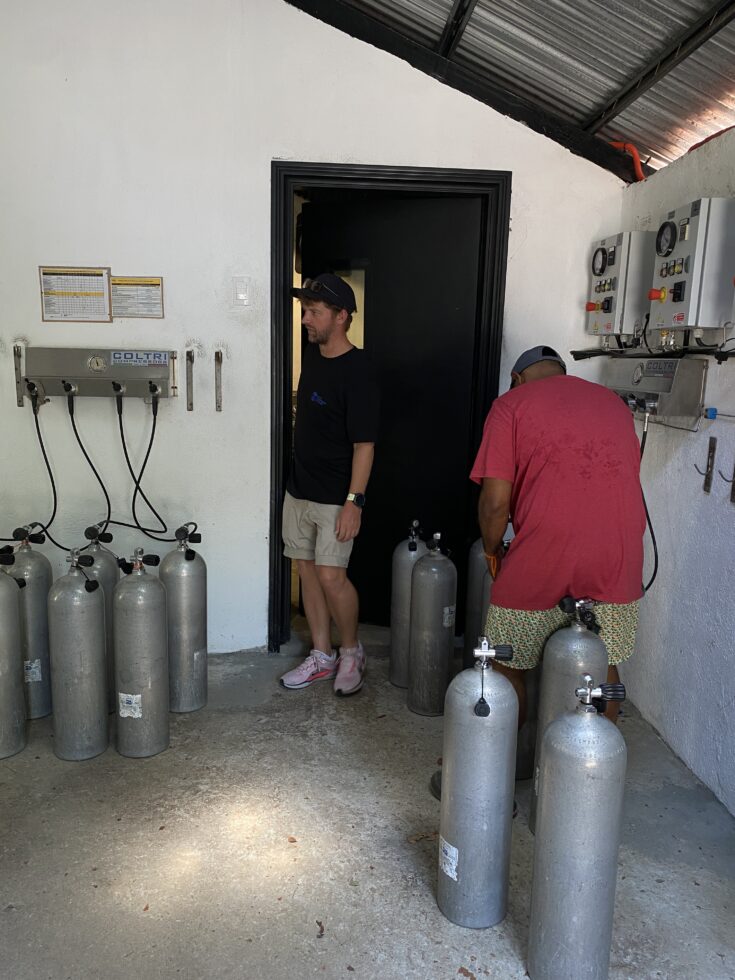
On Malapascua, he spent four months completing his diving education with Søren, who was his instructor.
At that point, Søren and Helle had had enough of island life there.
So the three of them packed their bags and travelled together towards Dumaguete and Siquijor – the small “witch island” where stories of shamans and voodoo still live on among many locals.
“To get to Siquijor, we had to pass through Dumaguete,” Magnus explains.
Along the way, they began diving around Apo Island and Dauin.
And something about Dauin stayed with him.
“There were so many fish in different sizes, turtles and sea snakes,” Magnus says.
He grew up in a small village near Humlebæk and had travelled extensively in Thailand with his parents throughout the 1990s and 2000s. He had seen how tourism gradually changed places year by year.
But Dauin felt different.
Provincial and calm, much like back home in Humlebæk.
Close to nature, yet still near hospitals and Dumaguete City.
And most importantly: the reefs were located directly off the coastline.
So when Søren and Helle later moved on, they left without Magnus. Magnus stayed.
In 2012, he opened his own dive centre in Dauin, and over the years he worked more and more closely with Marine Conservation Philippines on coral protection, marine protected areas and cooperation with local communities.
But 10 years after the organisation was founded, Søren and Helle began thinking about the future.
“You can make a long-distance relationship work, but you cannot be a good leader from the other side of the world,” Søren says. For periods, he had been commuting between Denmark and the Philippines while Helle studied nursing in Copenhagen.
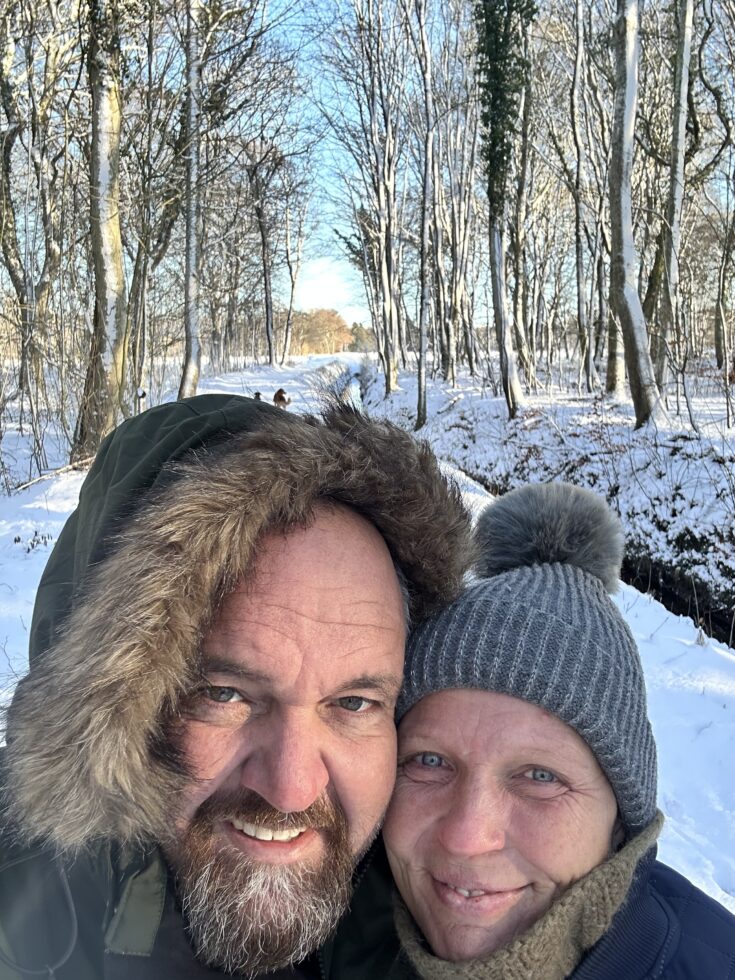
The question therefore became who should take over.
“It says on page one in the book about good leadership that you should be careful about hiring family and friends,” Søren says.
But Magnus had already been part of their lives for more than 15 years.
“Because we have had parallel life experiences and experience with being employers in the Philippines, it became impossible to ignore that he had a very unique set of competences.”
Magnus already knew the area, the authorities and the fishing communities around Zamboanguita. He speaks Visaya and had, over the years, built a strong local network.
In December 2025, he officially took over the role as Director of Marine Conservation Philippines.
Søren is still involved – but now more from the sidelines.
Not just about coral reefs
Although coral reefs are a major part of the work, Marine Conservation Philippines today is about far more than life underwater.
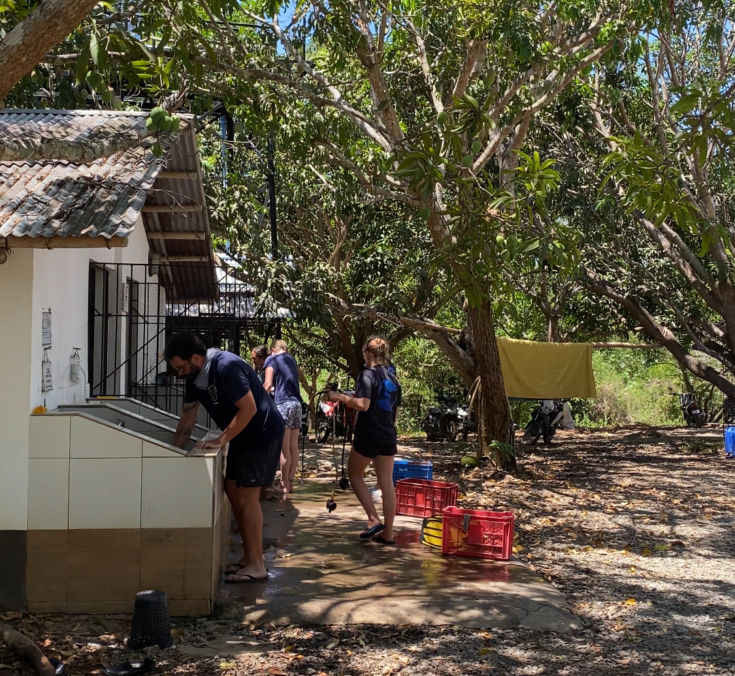
On the grounds, volunteers rinse diving equipment after the day’s trips, while others sit bent over fish species identification charts or attend lessons about corals and biodiversity.
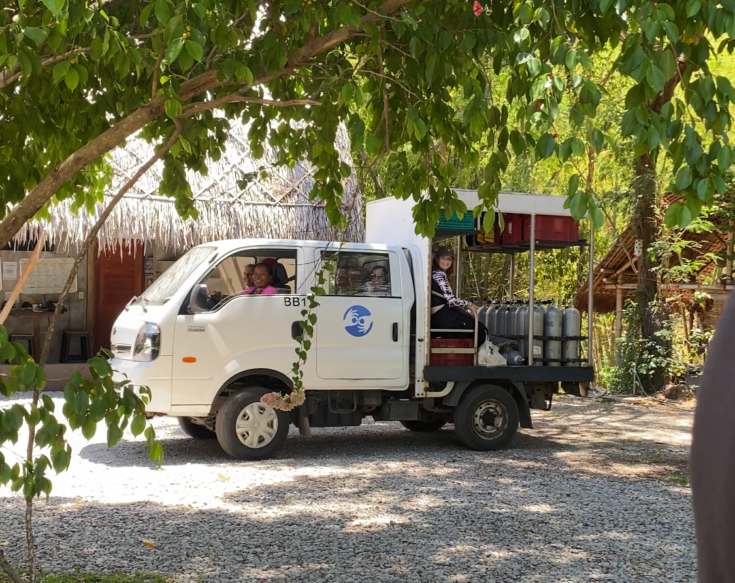
Along the roads, vehicles constantly move back and forth between different dive sites along the coast, where teams jump into the water to carry out surveys.
Last year alone, the organisation completed 3,351 marine surveys focusing on fish populations, coral substrates and biodiversity.
The data is later shared with local authorities and other organisations working with marine protection in the region.
“Unfortunately most things are declining,” Magnus says.
But it quickly becomes clear that the work is not only about fish, corals and sea turtles.
It is just as much about the people living along the coast.
Many small fishing communities around Negros are directly dependent on the ocean for survival, and according to Magnus, it is impossible to simply close marine areas and ask people to stop fishing overnight.
“You can’t just tell people they’re not allowed to fish when they need food for their families,” he says.
The idea behind many marine protected areas is relatively simple: if certain areas are left untouched by fishing for several years, fish populations can slowly rebuild themselves.
But that takes time.
And it requires that people have other ways of making money in the meantime.
That is one reason why Marine Conservation Philippines is now trying to launch seaweed farming projects together with local fishing associations and authorities.
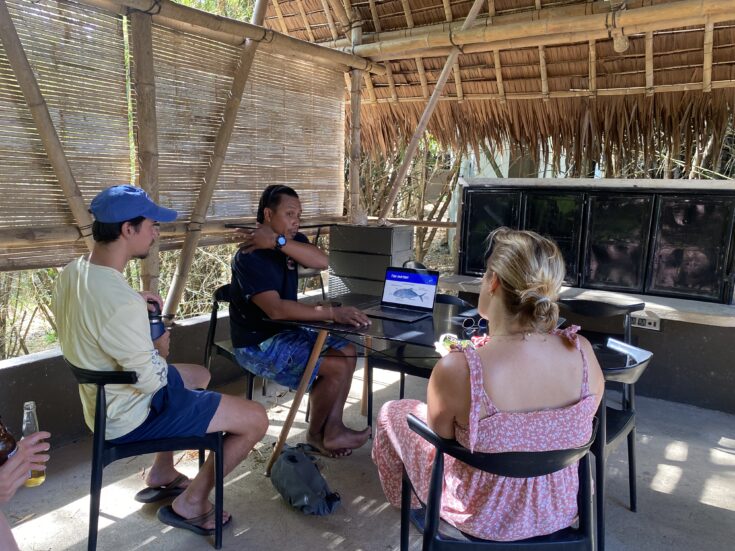
Seaweed is used for products such as carrageenan – a substance found in products like toothpaste – and global demand is increasing.
According to Magnus, buyers in Cebu are already prepared to purchase the harvests if the projects succeed.
But for him, seaweed itself is not the most important thing.
“The important thing is alternative livelihoods,” he says.
The goal is to create new income opportunities for fishing communities while giving the reefs time to slowly recover.
“We’re trying to create projects that actually make sense for the communities.”
A place where people stay
26-year-old Cecilie Jepsen from Aarhus, Denmark, arrived at Marine Conservation Philippines after several months of solo travel around Southeast Asia and Oceania.
“I wanted to combine travelling with doing something meaningful,” she says.
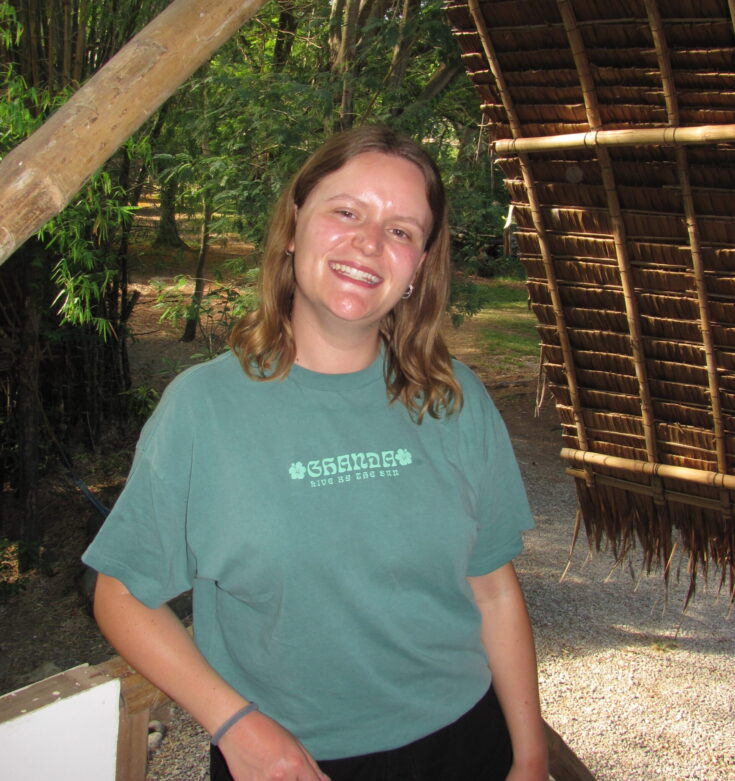
She found the organisation online while searching for volunteer programmes focused on diving and marine conservation.
On the grounds, volunteers live together among the palm trees, share meals and learn about coral reefs, fish species and biodiversity.
While volunteers jump into the ocean to conduct surveys, other parts of the organisation work along the coastlines of Negros.
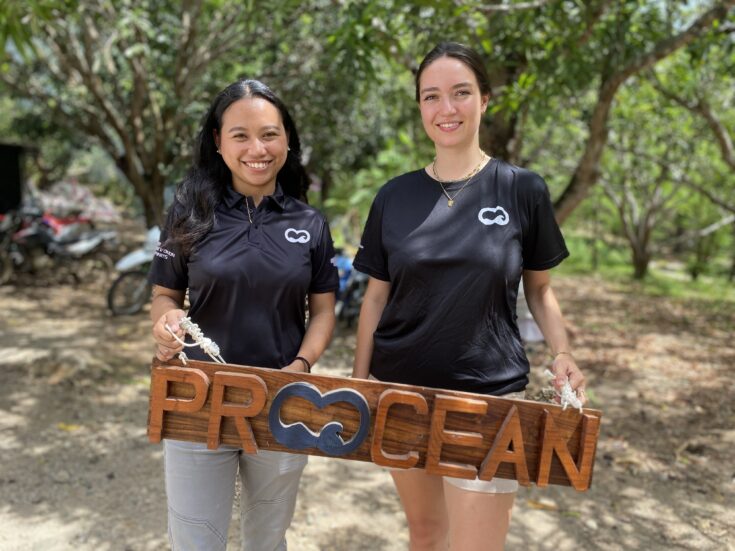
Among them is the collaboration with the organisation ProOcean.
“Our founder had travelled a lot in the Philippines before COVID and saw how serious the plastic pollution was,” says ProOcean country programme manager Lea Roider.
“We were looking for a trusted local partner, and that’s how we got to know Søren.”
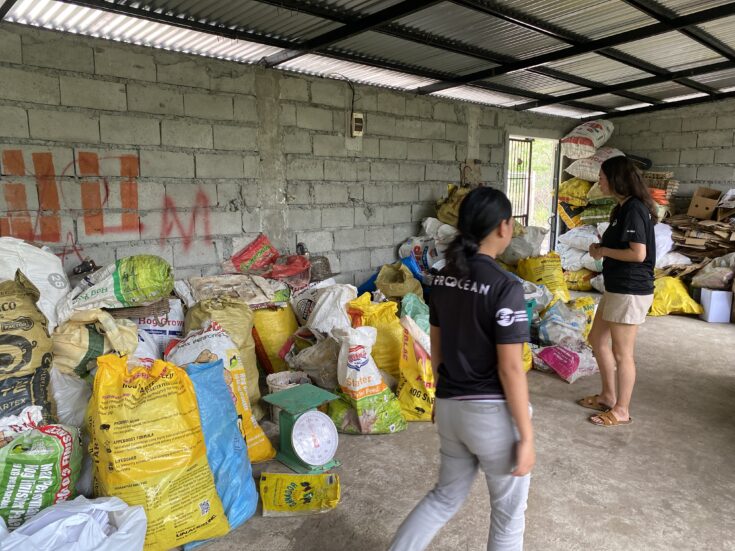
Today, cleanup teams work along the coastlines between Dumaguete and Santa Catalina, where plastic, fishing nets and other waste are collected, sorted and registered.
Some of the plastic is separated according to companies and packaging types before the data is later shared with authorities and used for research and environmental reports.
“Education and cleanups always go hand in hand,” Lea says.
At the same time, staff visit local schools to teach children about waste, plastic pollution and the marine environment.
According to ProOcean, the education programmes reached nearly 7,000 children last year.
Giving something back
Magnus still runs his own dive centre alongside his work as head of Marine Conservation Philippines.
Today, the Philippines is also where his family life is rooted. His wife is Filipino, and the couple have children together.
After many years in Dauin, Magnus has also become a well-established part of the marine protection networks on Negros.
He speaks Visaya, attends meetings with local authorities and fishing communities, and over the years has built a large local network across the island.
“When you live here this long, it starts feeling like a responsibility,” he says.
“You should give something back to the country.”
For Søren, the future is now about ensuring the organisation continues under someone who already understands both the Philippines and the work behind Marine Conservation Philippines.
And Søren continues to follow the organisation from Denmark, even though the baton has now been passed on.
“It has become bigger and wilder than we dared imagine in the beginning,” he says.
Today, the organisation consists of around 50 employees, international volunteers, scientific surveys, beach cleanups, educational programmes and projects aimed at creating alternatives to fishing for coastal communities.
And beneath the waters around Zamboanguita, the reefs are still slowly fighting their way back.