


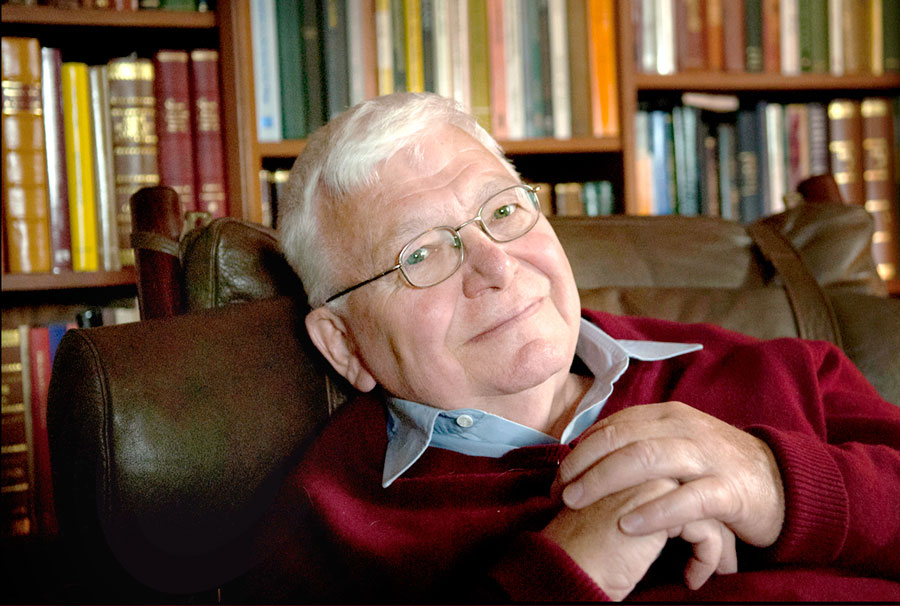
The Danish former missionary Peder M. Jørgensen passed away in the early morning hours of Monday 2 February 2026.
“The past few weeks have been especially challenging, as he endured considerable pain,” his eldest daughter Kirsten Leeds wrote in a briefing to ScandAsia.
For more than two decades, Peder M. Jørgensen and his wife Ruth – who passed away 28 May 2021 – devoted their lives to working among some of the poorest rural communities in Thailand. Few Danes have been as closely involved with everyday life at what he himself once described as “rice root level” in the country.
Early life and calling
Born and raised in a peasant family in Jutland, Denmark, Peder Jørgensen’s upbringing shaped both his outlook and his later work. After finishing high school, he trained as a deacon at Filadelfia in Dianalund and worked for Kirkens Korshær in Copenhagen.
He married Ruth Eleonora Leed, a trained midwife, and together they embarked on their life together that would take them far from Denmark and deep into rural Thailand.
First mission to Thailand: leprosy work in Central Thailand
Peder and Ruth Jørgensen arrived in Thailand in 1962 under the auspices of the Overseas Missionary Fellowship (OMF). They were stationed in remote areas of Central Thailand, where Ruth worked as a midwife at two missionary hospitals in Nongbua and Manorom.
Peder worked during this first period primarily with the rehabilitation of people suffering from leprosy, a disease still widespread at the time. More than 3,000 patients were registered across basic rural clinics. Many lived as beggars, ostracised and severely disabled.
Daily life for the family was marked by isolation: no electricity, no telephones, and during the rainy season mail delivered by elephant. Water came from open reservoirs that were nearly empty by the end of the dry season.
Their three children spent long periods away at school in Malaysia and later in Denmark, a sacrifice that weighed heavily on the family. In 1972, after nearly a decade in Thailand, the couple returned to Denmark primarily for their children’s education.
Years in Denmark and return to Thailand
Back in Denmark, Ruth worked as a district midwife, while Peder was employed by the Karup municipality before becoming secretary general of Dansk Santalmission.
In 1984, the opportunity arose to return to Thailand, this time under the Norwegian Missionary Society. The couple settled in Ubon Ratchathani province near the Laotian border and later moved to Phibun Mangsahan, an area with no previous permanent Christian missionary presence.
Baan Immanuel Hostel: a concrete legacy
In Northeast Thailand, Peder Jørgensen worked closely with local school authorities and village communities. With partial support from DANIDA and Norwegian development agencies, he initiated practical projects such as the construction of fishponds connected to village schools.
Through this work, he encountered a recurring problem: talented children from poor families had no opportunity to continue their education beyond the sixth grade. Initial arrangements with Buddhist temples proved inadequate, particularly for girls.
This led to Ruth and Peder Jørgensen’s most enduring contributions to Thailand, the establishment and long-term support of Baan Immanuel Hostel in Phibun Mangsahan, Ubon Ratchathani province.
Founded in the early 1990s during the couple’s service with the Norwegian Missionary Society, the hostel was created to support exceptionally capable children from poor rural families who otherwise would have been forced to end their education after primary school. Many came from villages 30 to 40 kilometres away and moved into the hostel in order to attend local public secondary schools. Families were asked to contribute what they could, often in the form of a 100-kilogram sack of rice per year.
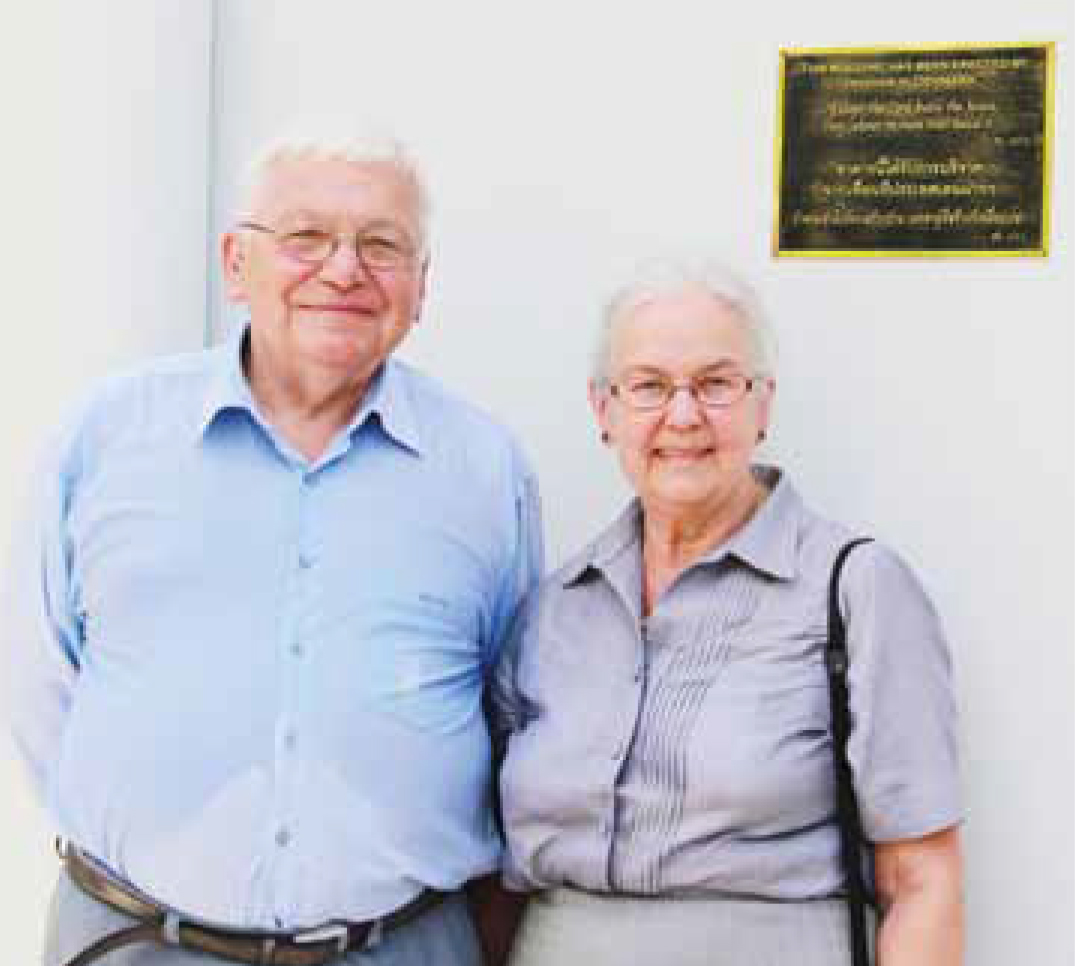
In May 2011, a major expansion of the hostel was inaugurated with the opening of a new dormitory building for 16 boys. The construction was financed entirely through private donations raised by Peder Jørgensen in Denmark, amounting to more than 600,000 Danish kroner. Not a single kroner was spent on administration; all funds went directly to construction and renovation of the existing facilities.
At the time, 44 children were living at Baan Immanuel Hostel, with plans to increase capacity further once the boys moved into the new dormitory. The Evangelical Lutheran Church in Thailand, supported by the Norwegian Missionary Society, assumed responsibility for the hostel’s ongoing operation.
The long-term impact was evident at the 2011 opening ceremony of the extention, where former students returned to express their gratitude. Among them was Kowech Thongthep, one of the first students taken in, who later became head of a district health centre. Others went on to careers as teachers, government officials, NGO workers and private-sector professionals.
A scholarship established with a one-million-kroner donation from Danish teacher Poul Nielsen further supported graduates after leaving the hostel, reflecting Peder Jørgensen’s conviction that education alone was not enough without opportunities beyond graduation.
Church building and local legacy
In Phibun Mangsahan, Peder and Ruth also established a church, completed in 1994. The octagonal building was designed by Danish architect Henrik Chr. Thomsen, with a church bell donated from Hjortshøj Church near Aarhus.
For Peder Jørgensen, missionary work was inseparable from social responsibility. He consistently emphasised that faith had to be demonstrated through practical efforts to alleviate poverty. When villagers chose to be baptised, he insisted that Thai clergy perform the ceremony.
Historian, collector and preserver of Danish–Thai history
After retiring and returning to Denmark, Peder Jørgensen remained deeply engaged with Thailand. He became an avid researcher of Danish individuals who had lived and worked in Siam and Thailand, many of whom had left little trace in official histories.
His work led to the rediscovery of a long-forgotten World War II report by Christian Frederik Schiøpffe in the Danish Royal Library, documenting Danish assistance to Allied prisoners during the Japanese occupation. Jørgensen ensured the report was made publicly available, contributing to a broader understanding of Danish–Thai wartime history.
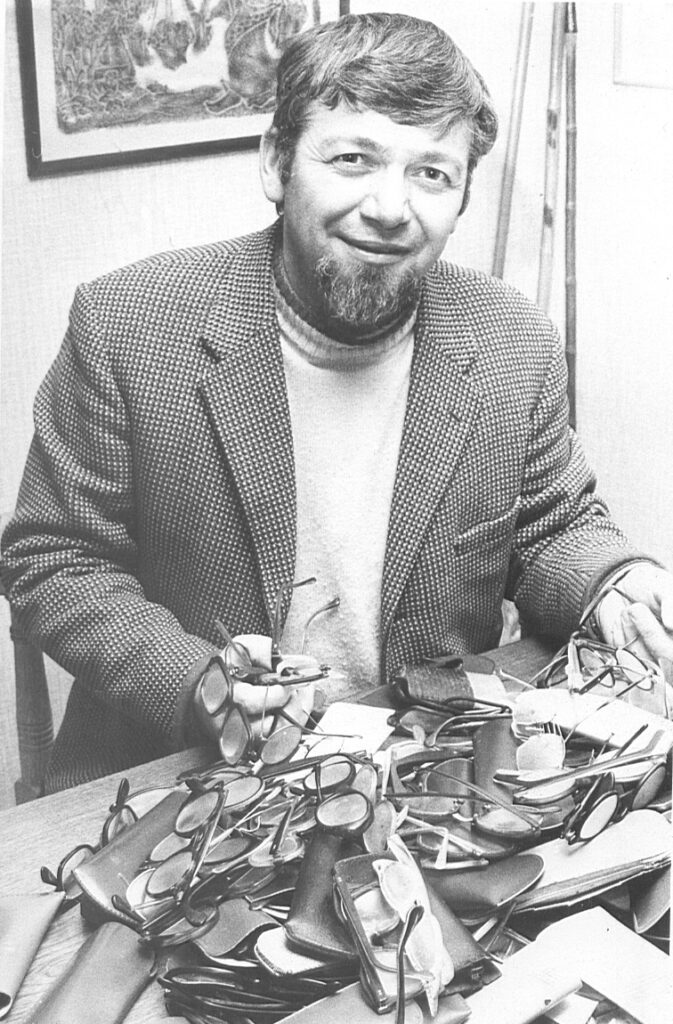
He was also a passionate collector of ethnographic artefacts from rural Thailand. Over more than fifty years, he assembled a unique collection of tools and everyday objects reflecting traditional skills that have since disappeared. Much of the collection was later donated to Moesgaard Museum, marking a significant contribution to Danish ethnographic scholarship.
Publications and recognition
Peder Jørgensen edited and published previously unpublished historical manuscripts, including Major Erik Seidenfaden’s work on the Royal Siamese Provincial Gendarmerie. He also guided numerous educational tours to Thailand for Danish readers and travel groups, consistently combining tourism with visits to social and educational projects.
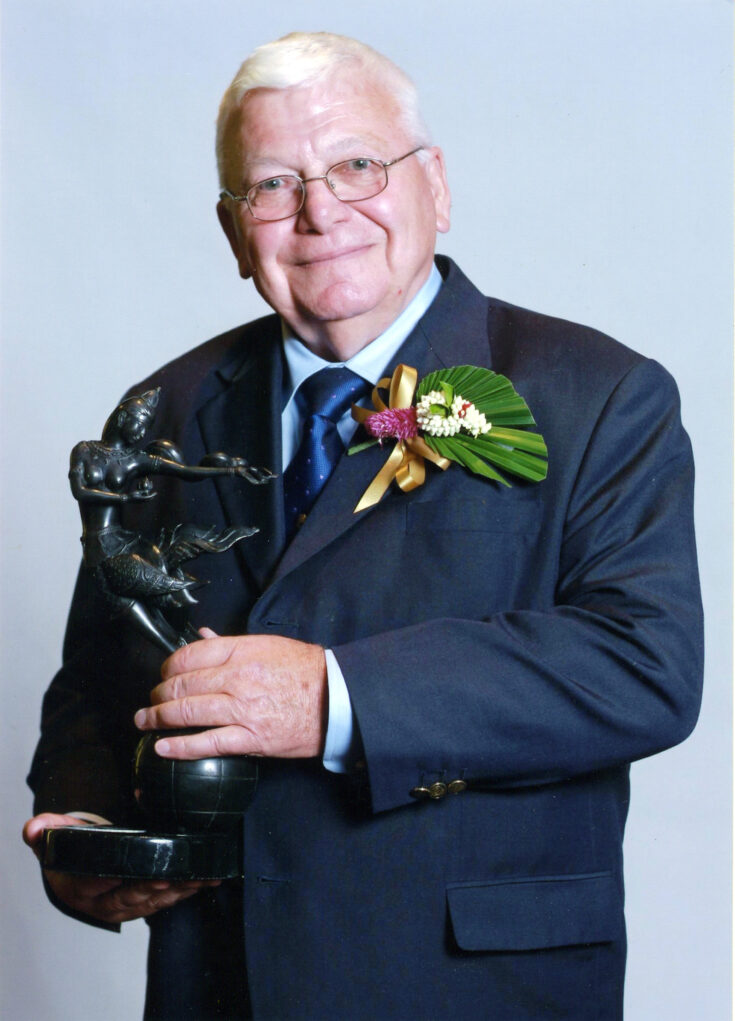
In 2010, on his 75th birthday, he received the Friends of Thailand Award from the Tourism Authority of Thailand, recognising his long-standing contribution to promoting understanding of Thailand abroad. He was the only Scandinavian honoured as an outstanding individual in that category.
Later years
Peder and Ruth celebrated their diamond wedding anniversary in 2019. Ruth’s memoirs, Fra Limfjorden til Mekhong, were published in 2010 and later sold out. Peder himself never published a full autobiography, though his life and work were documented through numerous articles and exhibitions.
The couple’s later years were marked by illness, yet they remained intellectually engaged and closely followed developments in both Denmark and Thailand.
A life of lasting impact
Peder Jørgensen once said he would not choose to relive his life if he was given the chance, acknowledging the hardships alongside the achievements. Yet letters of gratitude from former students and community members affirmed the enduring impact of his work and warmed his heart.
Recalling a message he had received from a thankful former student at Immanuelshjemmet, who had gone on to study in Germany, he said:
“That day, I felt that I had not lived my life in vain!”
Peder M. Jørgensen is survived by his and his wife Ruth’s three children. Their legacy lives on in the communities they helped build, the lives they helped change, and the historical record in particular he worked to preserve.