


Recent damage to undersea telecommunications cables in the Baltic Sea should not be seen as a distant European problem. From an Asian perspective, these incidents point to a worrying global trend that deserves far more attention.
Subsea cables are among the most critical yet least visible elements of modern infrastructure. They carry the vast majority of global internet traffic, financial transactions and digital communications between Asia, Europe and North America. Asia is linked to Europe and the United States through dozens of major cable systems crossing the Indian Ocean, the South China Sea and the Pacific Ocean. These cables quietly underpin trade, banking, cloud services and everyday digital life.
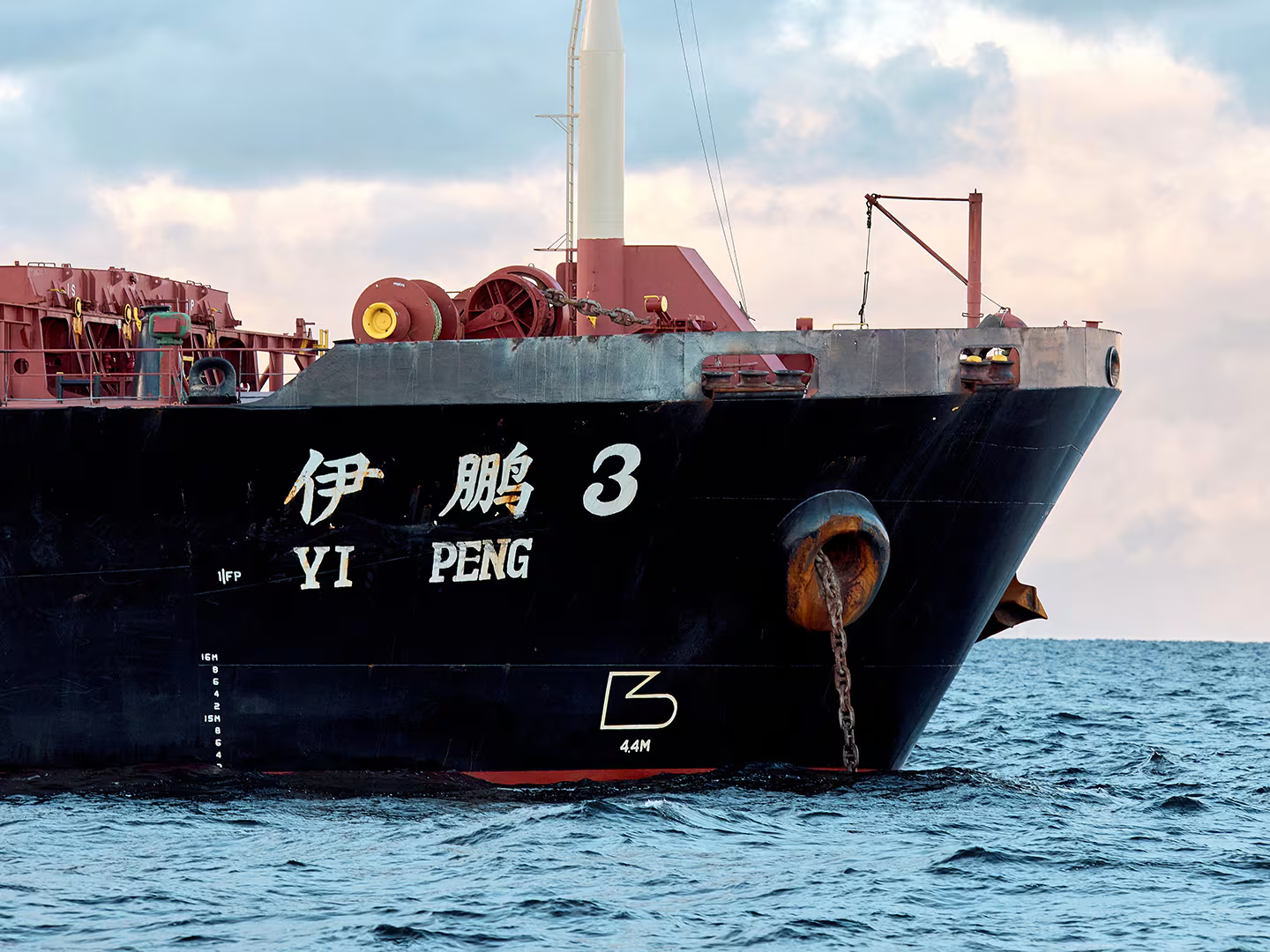
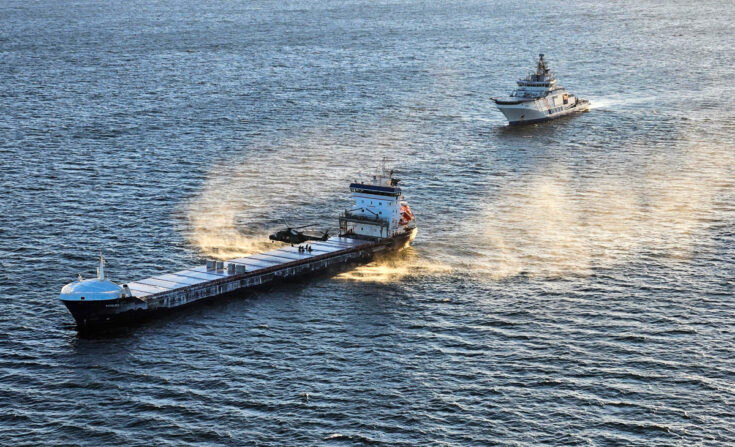
What is concerning is not a single damaged cable, but the pattern that appears to be emerging. In the Baltic Sea, several cable disruptions in recent years have been described by authorities as deliberate or suspicious. While investigations remain cautious and attribution is complex, the broader lesson is clear: subsea cables are vulnerable, difficult to monitor, and relatively easy to disrupt.
This vulnerability is now being discussed more openly. The protection of subsea cables has increasingly featured in security and digital infrastructure forums within NATO and the European Union, as well as in Asia-focused dialogues under ASEAN and broader Indo-Pacific frameworks. Officials and industry experts have warned that repeated cable disruptions — including those seen in the Baltic Sea — show how damage in one region can have cascading consequences across global communications and financial systems.
For Asia, the stakes are high. Many of the world’s busiest data routes run through politically sensitive or heavily trafficked waters. Any sustained interference — whether driven by geopolitical tension, hybrid tactics, terrorism or criminal activity — would expose a systemic weakness with global repercussions.
The Baltic incidents should therefore be treated as early warnings. In an era where digital connectivity is as vital as shipping lanes or energy supply, safeguarding the world’s subsea cables is fast becoming a shared security challenge — for Asia as much as for Europe.