


Global trade is under pressure from geopolitical tensions, but new openings are emerging for Nordic companies looking east, according to a webinar hosted by Swedish Trade, Interior Daily reports.
Despite years of disruption from the pandemic, conflicts and rising trade friction, global commerce has proven surprisingly resilient and continues to adapt rather than shrink.
New EU free trade agreements with Mercosur, India, Indonesia and Australia are expected to play a central role in this shift.
The agreements aim to reduce tariffs, improve market access and help European companies diversify suppliers and customers. India stands out as a key growth market, while Indonesia is increasingly seen as an important partner in Southeast Asia.
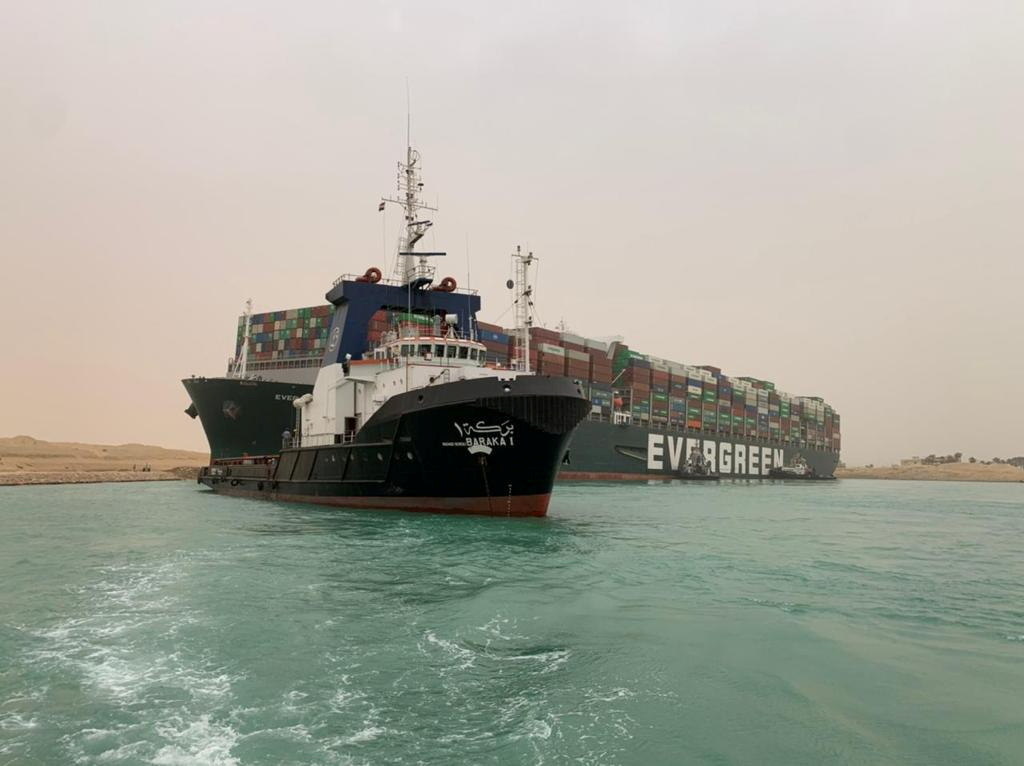
At the same time, instability in regions such as the Middle East and disruptions along major trade routes continue to affect global supply chains. Higher energy prices, rising transport costs and weaker demand are among the consequences.
Companies are responding by paying closer attention to geopolitical risks and integrating them more directly into strategic planning.
The webinar also highlighted growing competition from low-cost Chinese e-commerce platforms, raising concerns about uneven standards for product safety and consumer protection in the European market.
Swedish Trade stressed the need for stronger oversight of online platforms, while encouraging companies to stay engaged internationally despite uncertainty