



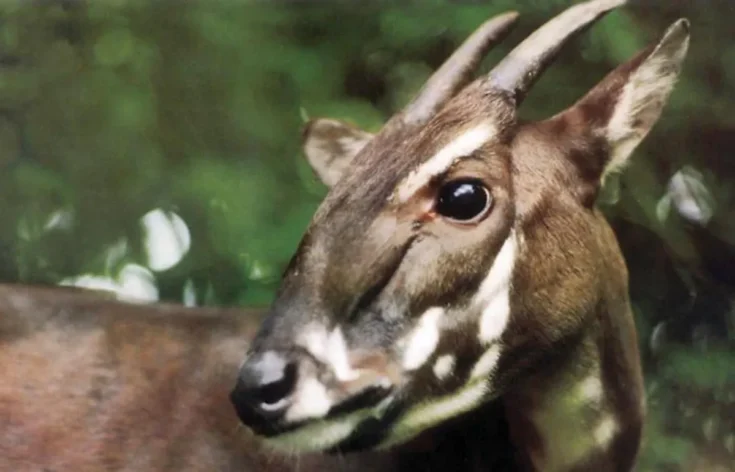
A Danish-Vietnamese research team supported by Copenhagen University has published a saola genome study in the journal Cell. The saola is often called the “Asian unicorn” because it is rarely seen.
The saola was first described in 1992 and lives in the Annamite Mountains across Vietnam and Laos. Researchers said the habitat is remote and difficult to survey.
IUCN estimates of around 100 saola remaining, and notes no confirmed sightings since 2013. Scientists said the species’ current status cannot be confirmed from field evidence alone.
Using genetic material from historical saola remains, the team identified two distinct populations. The researchers said combining individuals from both groups could improve survival odds.
The study suggested a breeding programme could work if at least a dozen saola are found. Researchers said the plan depends on locating living animals in the wild.
Related posts:
 Danish Embassy and the Vietnamese MARD co hosted policy development workshop
 New project: University of Copenhagen addresses diabetes amongst pregnant women in Vietnam
 Dane working with malnutrition among children in Cambodia
 Lao PDR hosts first national dialogue on inclusive conservation, co-funded by Norway