


After decades of conflict in Mindanao, Norway’s steady involvement has helped turn fragile peace into daily cooperation between former enemies.
For generations, families in Mindanao lived with gunfire, flight and poverty as rebel movements fought the state.
Only in 2014 did a breakthrough come, when the Philippine government and the Moro Islamic Liberation Front signed a peace agreement that opened the way for the Bangsamoro Autonomous Region.
But even as hope grew, peace remained fragile.
The conflict escalated in the 1970s under martial law, as the Moro National Liberation Front (MNLF) and later the Moro Islamic Liberation Front (MILF) took up arms against the government, pulling communities into decades of war.
In 2017, militants linked to the Islamic State seized Marawi, killing over 1,000 and displacing hundreds of thousands.The siege became a major test for the peace process already underway in the region.
The groups involved in the Marawi siege were separate from MILF, which had signed the peace agreement and remained committed to the political process.
Today, however, former combatants, police officers and soldiers can be found working side by side.
Inside joint security stations across BARMM, former MILF members now cooperate with government security forces to help maintain peace and stability.
And behind parts of that transformation stands Norway.
Building peace after war
Norway has supported the Bangsamoro peace process for more than two decades.
Its involvement began as part of international efforts to support negotiations between the Philippine government and Moro armed groups. Today, Norway remains engaged in helping implement
the peace agreement and support communities affected by decades of conflict.
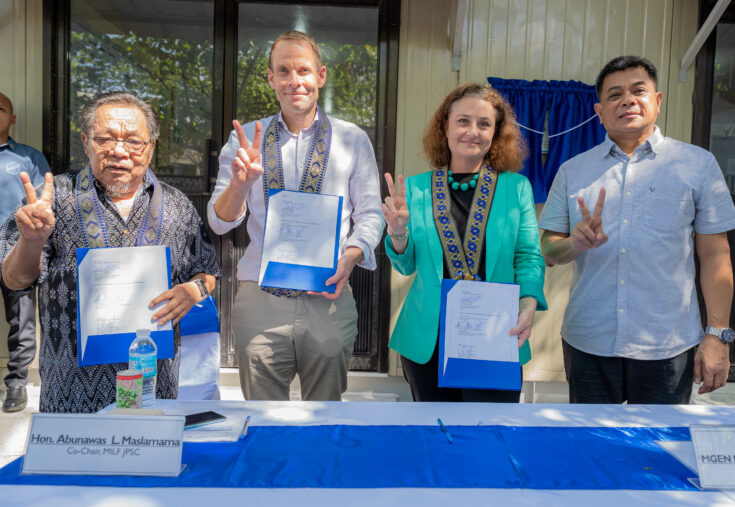
A key part of the agreement is the decommissioning of former combatants.
“Former fighters are supposed to turn in their weapons and become ordinary citizens again. That is actually the starting point for a lot of this work,” says Norwegian Ambassador in Manila Christian Lyster.
Norway serves as vice chair of the independent body overseeing the process.
Around 40,000 former combatants are expected to go through decommissioning, with roughly two-thirds having already completed the process.
The process is now entering a crucial phase ahead of the first parliamentary elections in BARMM, currently scheduled for September after several postponements.
“We are crossing our fingers for the election because it is important for peace,” he says.
Former enemies working side by side
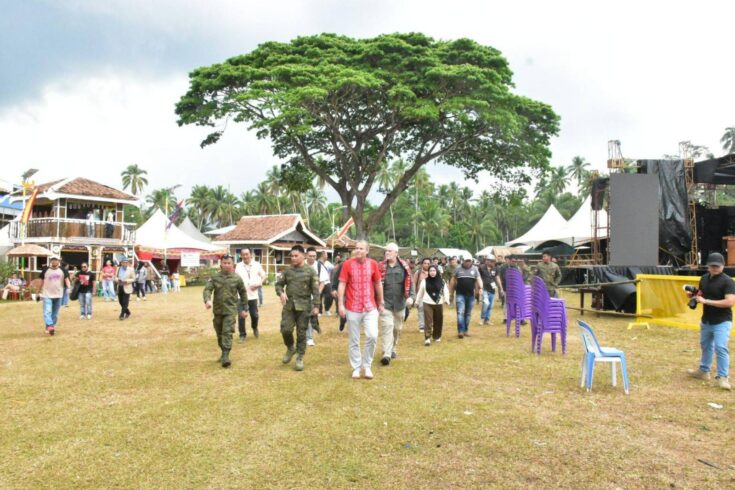
One of the most visible results of the peace agreement is the Joint Peace and Security Teams operating across the region.
The teams consist of police officers, members of the armed forces and former MILF combatants.
“They wear blue berets and have offices and stations spread around the BARMM region,” Lyster says.
The stations were originally created to reduce tensions and help maintain security during the transition period. Over time, many have become important community hubs in remote areas where access to public services remains limited.
“In some places, the Joint Peace and Security Teams are basically the first place people turn to when they face challenges,” he says.
Despite occasional security incidents and political disagreements, Lyster believes the institutions created through the peace agreement have strengthened the region.
“There are always ups and downs, but the peace agreement keeps moving forward, and we see a decline in violence.”
Solar power and peacebuilding
Norway’s role today extends beyond diplomacy and security.
In several communities, Norwegian-supported projects combine peacebuilding with renewable energy, food security and livelihood programmes.
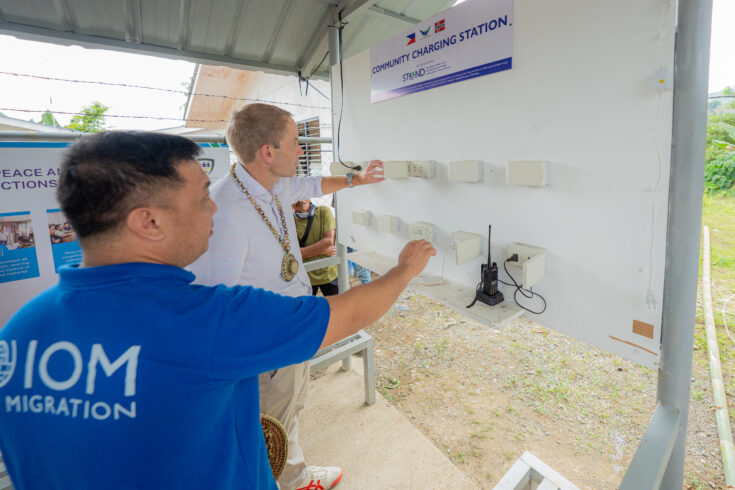
One example is the installation of solar power systems at Joint Peace and Security Team stations, since many areas do not have electricity.
Lyster explains that solar power is used to ensure the stations have a reliable electricity supply.
And the benefits sometimes extend beyond the stations themselves.
At one of the stations they visited, a charging board had been installed outside the station. The area also served as the town market, allowing locals to charge their phones while they were there.
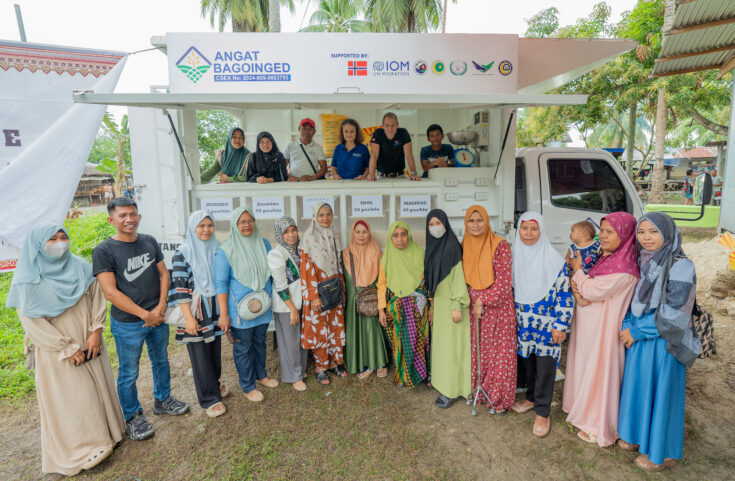
Other projects focus on women’s cooperatives, agriculture and food security.
One initiative supports mobile rice stores operated mainly by women, allowing them to continue selling products even when flooding disrupts local markets and transport routes.
Another supports former members of the Bangsamoro Islamic Women Auxiliary Brigade with training and livelihood opportunities.
“They are no longer part of a brigade, so today it is about helping them back into society,” Lyster says.
In other parts of the Philippines, Norway has also supported solar-powered systems for schools and evacuation centres vulnerable to typhoons.
“Now they have permanent access to electricity,” he says.
Norwegian companies and organisations have also participated in some projects, including Yara International, which has supported initiatives involving solar-powered irrigation systems for farmers.
Hope matters
For Lyster, economic opportunity remains closely linked to long-term peace.
“If you can create a more positive view of the future, it becomes easier to prevent people from going back to the old days and back to fighting,” he says.
He notes that not all violence in Mindanao is directly connected to the historical conflict. Clan disputes, land conflicts and local rivalries continue to create tensions in some communities.
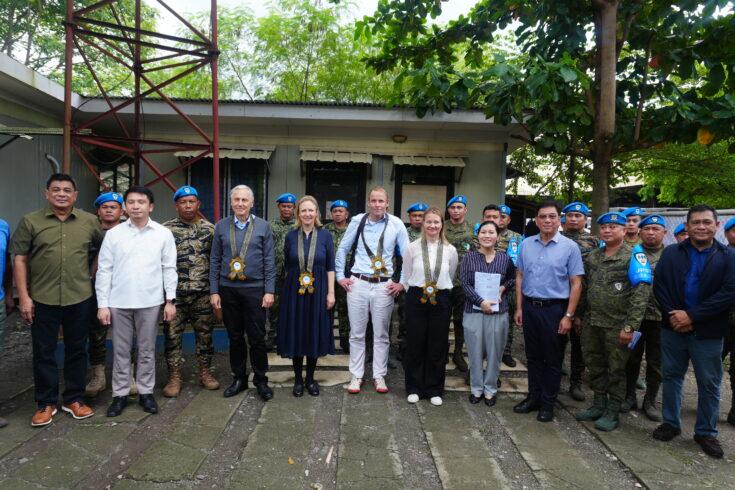
During visit to Sulu, Norwegian-supported mediation efforts helped end a clan conflict that had lasted for half a century.
“That conflict had been going on for 50 years. People had almost forgotten what they were originally fighting about.”
Two decades after Norway joined the process, Bangsamoro has been transformed.
It stands as proof that peace agreements can endure – and that former enemies can share the same blue beret.