



Southeast Asia has entered 2025 with one of the world’s strongest regional growth outlooks, with forecasts hovering around 4.5 percent, well above the global average. Combined with stable macro fundamentals, expanding consumer demand, and ongoing supply-chain diversification, the region is increasingly viewed as a reliable growth engine.

For Scandinavian expats and Nordic professionals living in Asia, these shifts are reshaping opportunities in trade, technology, manufacturing, and sustainability.
Why Southeast Asia Is Drawing Global Capital
The region’s strong 2025 forecast reflects a combination of young demographics, rising urbanisation, and growing middle-class consumption. Many markets continue to benefit from prudent fiscal policy, improving infrastructure, and broad digitalisation. Even during periods of global uncertainty, Southeast Asia’s macro stability has helped maintain investor confidence and long-term interest.
Digital adoption adds another layer of momentum. E-commerce, mobile banking, and online services have scaled rapidly, often outpacing more mature economies. For Nordic observers accustomed to slower growth at home, this combination of economic resilience and rapid digital transformation is notable.
A Region of Distinct Markets, Not a Single Economy
One reason Southeast Asia attracts considerable interest is its rich diversity. Each country offers unique strengths and diverse opportunities.
Singapore: The Region’s Financial and Tech Hub
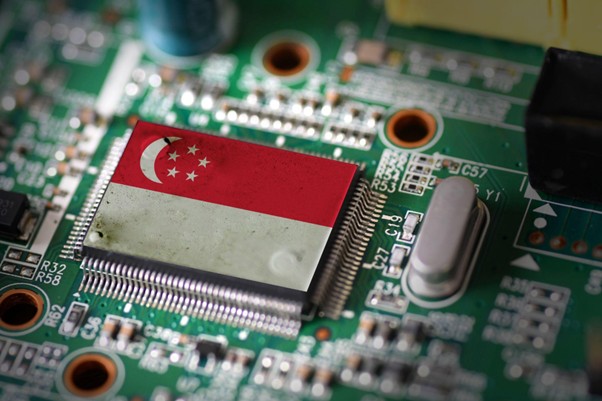
Singapore remains a preferred location for multinational headquarters thanks to its regulatory clarity, strong governance, and reliable infrastructure. For Nordic companies, it often serves as a strategic base for wider regional expansion.
Vietnam is a Manufacturing Powerhouse With Rising Consumer Demand
Vietnam has become a central hub in global manufacturing networks. Competitive labour costs, strong export performance, and a young population make it attractive to both industry and consumer-facing businesses.
Indonesia’s Large, Fast-Growing Consumer Market
Indonesia’s scale offers a significant advantage, as its more than 270 million people, along with its growing appetite for digital services, consumer goods, renewable energy, and logistics, create a variety of opportunities.
The Diverse Strengths of Thailand, Malaysia, and the Philippines
Thailand benefits from strong automotive, electronics, and tourism sectors. Malaysia contributes through advanced manufacturing and a skilled workforce. The Philippines remains a leader in business process outsourcing and digital-enabled services.
For Nordic expats, this regional diversity often expands mobility options, as companies increasingly coordinate operations across multiple ASEAN markets.
The China+1 Strategy and Supply-Chain Diversification
A significant factor behind Southeast Asia’s appeal is the acceleration of the China+1 strategy. Instead of relocating entirely from China, companies now diversify their manufacturing and sourcing networks to reduce risk. Vietnam, Indonesia, and Malaysia have become key alternative production hubs.
Industrial zones across these countries continue to attract manufacturers seeking resilience, competitive labor, and proximity to global shipping routes. Many Nordic engineering, maritime, and consumer-goods firms are now pursuing multi-country supply strategies in the region, driving demand for skill sets in operations, logistics, and compliance.
Sector Hotspots: Where Investors See Momentum
Digital Services, Tech, and Fintech
Mobile-first populations fuel rapid growth in digital banking, payment platforms, cybersecurity services, and cloud-based solutions. Nordic professionals with digital skills are often in high demand.
Manufacturing and Logistics
Strong manufacturing ecosystems, expanding industrial parks, and improved logistics infrastructure have strengthened Southeast Asia’s role in global supply chains. Electronics, textiles, and automotive components remain central pillars of the industry.
Renewable Energy and the Green Transition
Energy needs are rising alongside industrialisation. Solar, wind, and hydro projects are expanding across the region, creating opportunities that align closely with Scandinavian strengths in clean technology, green finance, and sustainability frameworks.
Where Nordic Strengths Meet Regional Demand
Nordic companies are well-positioned in areas where Southeast Asia is rapidly investing:
- Renewable energy solutions
- Maritime and logistics innovation
- Telecommunications and digital infrastructure
- Sustainable design and circular economy models
- Ethical sourcing and compliance frameworks.
These strengths align naturally with the region’s long-term development goals, creating demand for Nordic expertise in green transition planning, engineering, and digital transformation.

Challenges: What Nordic Investors and Expats Should Prepare For
Strong growth does not eliminate challenges. Southeast Asia’s business environment still requires careful navigation.
- Bureaucracy and regulatory complexity
- Varying quality of infrastructure
- Political and policy shifts between markets
- Cultural and language differences that affect negotiation
- Governance and transparency concerns in specific sectors.
Understanding these dynamics is crucial for forming lasting partnerships and establishing realistic timelines.
How This Shift Affects Nordic Expats and Businesses
For Nordic professionals residing in Singapore, Bangkok, Hanoi, or Jakarta, these economic shifts have a significant impact on job opportunities, compensation structures, and career mobility. Roles in sustainability, engineering, procurement, and digital strategy are becoming increasingly sought after as Nordic companies expand their regional presence.
Currency movements also matter. Many Nordic expats working across multiple ASEAN countries closely follow exchange-rate developments, which is one reason some keep an eye on forex trading trends not to speculate, but to better understand how currency shifts may affect salaries, savings, or cross-border expenses.

Southeast Asia a Leading Light in Economic Growth
With a forecast of around 4.5 percent growth in 2025, a young and urbanizing population, rising digital adoption, and a central role in global supply chain diversification, Southeast Asia remains a compelling investment destination. For Nordic businesses and professionals, the region aligns closely with areas of Scandinavian expertise, especially in sustainability and advanced engineering. Balanced expectations, cultural awareness, and strong local partnerships remain essential. However, for those willing to adapt and engage deeply, Southeast Asia presents long-term opportunities in a world seeking reliable sources of growth.