


Working conditions for Thai berry pickers in Sweden appear to be improving after years of criticism over exploitation, although labour representatives say further reforms are still needed.
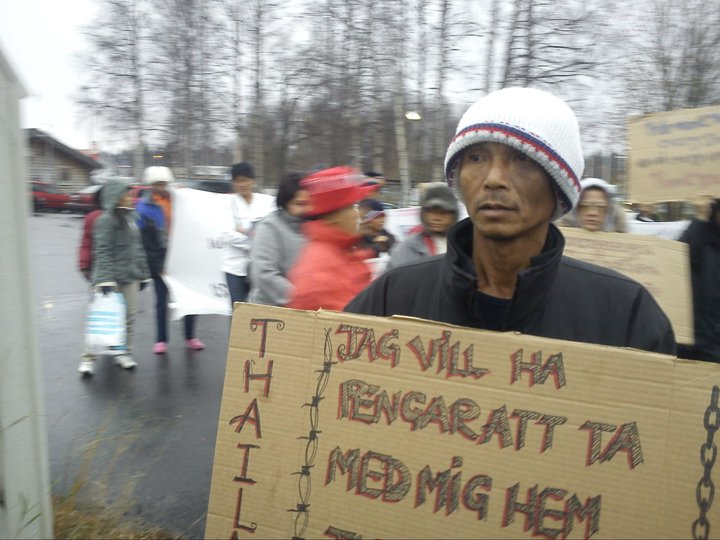
Thousands of Thai seasonal workers travel to Sweden each summer to harvest wild blueberries, lingonberries and cloudberries. In recent years, however, the industry has faced repeated allegations of poor wages, excessive working hours and inadequate living conditions.
This year’s berry season marks an important change.
The Swedish Food Workers’ Union (Livs) has taken over responsibility for representing berry pickers from the municipal workers’ union Kommunal. According to Radio Sweden, the union plans to use Thai-speaking representatives to communicate directly with workers and better understand any problems they encounter during the season.
The changes follow a turbulent period for Sweden’s berry industry.
Last year, Sweden’s Migration Agency approved work permits for only 89 foreign berry pickers after concluding that many employers could not demonstrate acceptable working conditions. The decision threatened the industry’s harvest and highlighted long-standing concerns over the treatment of Thai workers.
This year, the situation has changed significantly.
The Migration Agency has granted around 950 seasonal work permits to Thai berry pickers after more employers were able to show that they could provide fair employment conditions. Authorities say inspections and enforcement will continue throughout the season.
Despite the improvements, labour organisations stress that the industry still requires close monitoring to ensure workers receive the wages, accommodation and working conditions promised before travelling to Sweden.
The issue has attracted considerable attention in both Sweden and Thailand after several high-profile cases in recent years involving exploitation of Thai seasonal workers, some of whom were later awarded compensation by Swedish authorities.
The berry industry has been through three phases:
The old model – thousands of Thai workers came to Sweden, but some ended up with debts, broken promises and exploitation. Those stories deserved to be told.
The crackdown – Swedish authorities tightened the rules so much that only a tiny number of workers were approved. Many media portrayed this as a crisis because “there are no berry pickers.”
The new model – companies have adapted, become more transparent, and can once again recruit workers who are better protected. There are still issues, but the system is moving in the right direction.
That third phase is the real news.
It is tempting to write, “Sweden still has problems with Thai berry pickers,” but the more interesting story is that Sweden is demonstrating that an industry can be cleaned up without abandoning foreign labour altogether.
One sentence I particularly like is something along the lines of:
Rather than relaxing the rules to meet labour shortages, Swedish authorities have insisted on higher standards. This year’s increase in approved Thai berry pickers suggests that employers are gradually adapting to the stricter requirements.
That says a lot without becoming opinionated.