


Living with post-traumatic stress disorder (PTSD) or complex post-traumatic stress disorder (CPTSD) can feel like carrying an invisible weight that colours every aspect of life.
The hypervigilance, intrusive memories, emotional numbness, and difficulty trusting others create barriers to the life you deserve.
While outpatient therapy helps many people, some trauma survivors reach a point where they need something more intensive. Residential trauma treatment provides the immersive, focused environment necessary for deep healing work.
Asia has rapidly emerged as a destination for world-class trauma treatment. The region combines internationally trained clinicians, evidence-based therapies, and healing cultural traditions at costs significantly lower than Western facilities.
This article examines the top 5 trauma healing retreats for PTSD and CPTSD across Asia.
How We Evaluated These Trauma Retreats
Not all trauma facilities are equal.
To identify the top trauma healing retreats in Asia, we applied evaluation criteria based on clinical best practices and international treatment standards.
- International Accreditation – Accreditation from recognised international bodies demonstrates commitment to quality standards. We prioritised facilities holding accreditation from the Commission on Accreditation of Rehabilitation Facilities (CARF), Joint Commission International (JCI), or equivalent international bodies.
- Trauma-Specialised Clinical Staff – General therapists may lack the specialised training required for effective trauma treatment. We evaluated facilities based on whether their clinical teams held specific trauma certifications.
- Evidence-Based Treatment Approaches – The most effective trauma treatment combines multiple evidence-based therapies rather than relying on a single modality.
- Environment and Infrastructure – Trauma healing requires safe, calm environments that support nervous system regulation. We evaluated physical settings, accommodation quality, and whether facilities maintained appropriate boundaries between clinical and living spaces.
- Geographic Diversity – We ensured this list represents facilities across different Asian countries, offering options that reflect varied cultural approaches and treatment philosophies.
The Top 5 Trauma Retreats for PTSD and CPTSD in Asia
1: The Dawn Wellness Centre and Rehab – Chiang Mai, Thailand
Why It Ranks #1
The Dawn stands as the only CARF-accredited rehabilitation and mental health treatment facility in the entire Asia-Pacific region.
This internationally recognised accreditation places The Dawn among the top tier of treatment facilities worldwide.
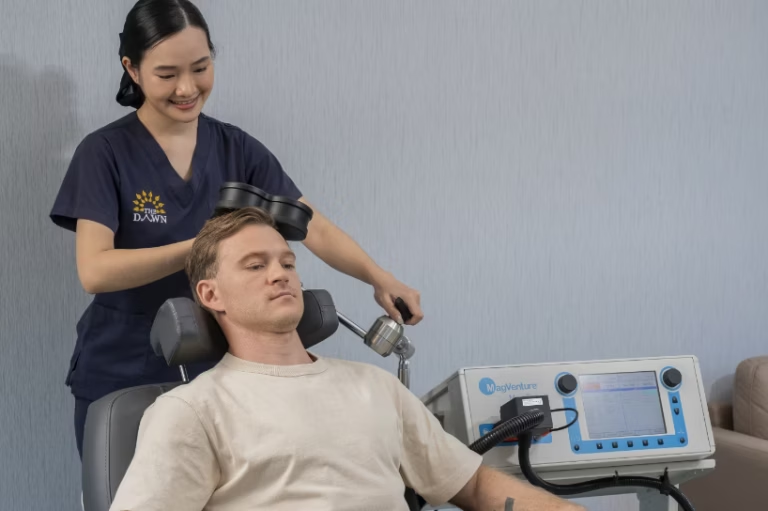
The centre’s specialised trauma programme is overseen by a team of trauma-specialised psychiatrists, clinical psychologists, and EMDR-certified therapists. This level of clinical expertise is unmatched elsewhere in Asia.
Treatment Approach
The Dawn’s trauma treatment follows a structured Treatment Roadmap that integrates multiple evidence-based therapies to create a personalised treatment plan for each client.
The programme centres on EMDR therapy, trauma-focused cognitive behavioural therapy, and somatic experiencing.
Individual therapy sessions occur multiple times a week, supplemented by specialised trauma processing groups, psychoeducation, and experiential therapies.
The clinical team addresses co-occurring conditions like depression, anxiety, or substance use disorders within an integrated treatment model.
Thai Buddhist mindfulness practices complement Western trauma therapies without replacing evidence-based approaches.
Meditation, yoga, sound baths, and traditional Thai massage support nervous system regulation and embodiment.

Unique Features
The Dawn’s riverside location in Chiang Mai provides a complete sanctuary while maintaining all infrastructure of a world-class treatment centre.
Private rooms overlook the Ping River, creating a peaceful environment for intensive healing work.
The facility’s person-centred, trauma-informed philosophy ensures all staff – from therapists to support staff – understand trauma dynamics. This creates a consistently safe therapeutic environment crucial for trauma survivors.
Programme lengths range from 28 days to 90+ days, with research-backed recommendations for longer stays. The Dawn’s comprehensive aftercare programme supports clients through the transition home and provides ongoing support.
For Whom It’s Best Suited
The Dawn serves international clients seeking the highest clinical standards combined with cultural immersion.
Those seeking treatment for complex trauma, particularly involving developmental trauma or multiple traumatic events, benefit from The Dawn’s specialised expertise and comprehensive approach.
Pricing
Monthly costs range from approximately $9,000-$20,000 depending on programme length and accommodation choices. This represents 60-70% savings compared to equivalent Western facilities.
The Dawn accepts international insurance and provides detailed documentation for reimbursement claims.
Learn more: [Trauma and PTSD Retreat in Thailand]
2: The Lighthouse Bali in Indonesia
Overview
The Lighthouse offers trauma treatment in Bali’s lush tropical setting, combining Western clinical approaches with Balinese healing traditions.
The facility serves international clients seeking trauma treatment in a more intimate, boutique environment.
Treatment Approach
The clinical programme incorporates EMDR therapy, cognitive behavioural therapy, and mindfulness-based stress reduction. Individual therapy occurs weekly, with trauma processing conducted by qualified therapists.
The Lighthouse integrates Balinese healing ceremonies, traditional massage, and connection with nature into the treatment experience.
Unique Features
The facility’s location in Bali provides immersion in a culture that maintains strong spiritual traditions around healing and ceremony.
Traditional Balinese healing rituals and water purification ceremonies offer meaningful experiences for clients drawn to spiritual dimensions of healing.
The facility works with local healers who conduct these ceremonies with respect for clients’ diverse backgrounds.
For Whom It’s Best Suited
The Lighthouse appeals to trauma survivors who resonate with spiritual or holistic approaches alongside evidence-based therapy. Those seeking a smaller, more intimate treatment environment may prefer this option to larger facilities.
Clients interested in exploring Balinese culture and healing traditions while receiving professional trauma treatment find this balance appealing.
Pricing
Monthly treatment costs range from $25,000-$30,000.
3: Ananda in the Himalayas – Uttarakhand, India
Overview
Ananda combines luxury wellness retreat amenities with comprehensive mental health and trauma treatment programmes.
Set in the Himalayan foothills overlooking Rishikesh, the facility offers treatment in one of India’s most spiritually significant locations.
Treatment Approach
Ananda’s trauma programme integrates Western psychotherapy with Ayurvedic medicine, yoga therapy, and Vedic wellness practices. The clinical team includes psychiatrists, psychologists, and Ayurvedic physicians who collaborate on individualised treatment plans.
Trauma-focused therapy occurs through individual sessions with trained therapists. The programme emphasises mind-body connection through yoga, pranayama (breathing practices), and meditation, approaches that support trauma recovery.
Ayurvedic treatments address the physical manifestations of trauma through personalised nutrition, herbal medicine, and body therapies designed to balance the nervous system.
Unique Features
The Himalayan setting provides profound peace and natural beauty that supports deep contemplative work. The facility’s location in Rishikesh, considered the yoga capital of the world, offers immersion in authentic Indian spiritual traditions.
Ananda maintains luxury standards with spacious accommodations, healthy cuisine, and spa facilities.
For Whom It’s Best Suited
Ananda attracts clients seeking trauma treatment within the context of Indian healing traditions and yoga philosophy.
Those interested in Ayurvedic approaches to mental health alongside Western therapy find this integration meaningful.
The facility particularly appeals to professionals seeking a retreat environment that combines intensive trauma work with luxury amenities and cultural exploration.
Pricing
Treatment costs range from $10,000-$40,000 per month depending on accommodation level and programme intensity.
4: Namia River Retreat – Da Nang, Vietnam
Overview
Namia River Retreat offers trauma treatment in Central Vietnam’s peaceful coastal region. The facility provides a quieter, less commercially developed alternative to busier Asian wellness destinations.
Treatment Approach
The clinical programme centres on evidence-based trauma therapies including EMDR, cognitive processing therapy, and mindfulness-based cognitive therapy. Individual therapy sessions occur 3-4 times weekly with trauma-trained therapists.
The programme incorporates Vietnamese healing practices, traditional medicine approaches, and connection with coastal and riverine natural environments.
Water-based mindfulness practices and nature immersion support the therapeutic process.
Unique Features
Namia offers excellent value with less commercial development than other countries. The facility’s riverside and coastal location provides varied natural environments for healing.
Vietnamese culture emphasises community and family, creating a warm, relational therapeutic environment.
For Whom It’s Best Suited
Namia appeals to trauma survivors seeking quality treatment and are drawn to Vietnam’s less touristy, more authentic cultural experience.
Clients who prefer quieter, less commercially developed environments find Vietnam’s pace conducive to healing.
Those interested in exploring Vietnamese culture, history, and healing traditions while receiving professional trauma care find Namia offers this unique combination.
Pricing
Monthly costs range from $5,000-$8,000, making Vietnam one of the most affordable options for quality trauma treatment in Asia. The lower cost of living in Vietnam contributes to this competitive pricing.
5: The Winslow – Singapore
Overview
The Winslow is Singapore’s first private residential treatment centre, primarily specialising in addiction treatment with integrated mental health and trauma support.
The facility serves clients seeking treatment in Singapore’s cosmopolitan, business-friendly environment.
Treatment Approach
The clinical programme addresses addiction alongside co-occurring trauma and mental health conditions.
Individual therapy occurs regularly throughout the residential programme, with sessions focusing on addiction recovery and trauma processing where relevant.
The treatment incorporates neurofeedback for nervous system regulation and group therapy for peer support and skill development. Medical oversight includes psychiatric support and medication management as needed.
Unique Features
Singapore’s position as a regional business hub makes The Winslow particularly convenient for professionals who need proximity to their work locations. The urban setting provides easy access to Singapore’s international airport and business districts.
The facility operates within Singapore’s highly regulated healthcare system. This appeals to clients seeking treatment without significant cultural adjustment.
For Whom It’s Best Suited
The Winslow serves professionals who cannot travel far from Singapore due to business commitments or family obligations.
Those requiring treatment within Singapore’s jurisdiction for legal, professional, or personal reasons find The Winslow offers quality residential care without leaving the city-state.
The facility suits clients who prioritise convenience and proximity over sanctuary-style environments.
Pricing
Contact the facility for pricing information.
How to Choose the Right Trauma Retreat in Asia
Selecting the right trauma treatment facility involves careful consideration of multiple factors. Use these guidelines to identify the facility and country that best meets your specific needs.
Consider Your Specific Trauma History
Single-event trauma (PTSD) and prolonged, repeated trauma (CPTSD) may benefit from different treatment intensities.
Complex trauma, particularly developmental trauma from childhood, typically requires longer treatment duration and more specialised therapeutic approaches.
If you are managing co-occurring conditions like depression, anxiety, or substance use disorders, ensure the facility offers integrated treatment. The Dawn specialises in treating co-occurring conditions within a comprehensive trauma programme.
Evaluate Credentials
Verify international accreditation through CARF, JCI, or equivalent bodies. Accreditation ensures facilities meet rigorous clinical standards and maintain quality assurance processes.
Assess Treatment Duration and Intensity
Ensure the facility offers adequate programme length for meaningful trauma processing. The 28-day programmes provide valuable introduction to trauma work while the 60-90 day programmes allow deeper healing and behaviour change.
Consider Cultural Preferences
Different Asian countries offer distinct cultural contexts that may enhance your healing.
Choose the cultural context that resonates most deeply with your personal values and healing preferences.
Consider Practical Factors
- Insurance coverage: Determine whether your international insurance covers residential mental health treatment abroad. The Dawn and some other facilities accept international insurance and provide detailed documentation for claims.
- Visa requirements and travel logistics: Check visa requirements for your nationality. Thailand offers visa exemptions or visa-on-arrival for many nationalities.
Red Flags to Avoid
Be cautious of facilities that:
- Make unrealistic promises or guarantee outcomes (trauma healing is complex and individualised)
- Lack clear information about credentials and accreditation
- Rely primarily on alternative therapies without evidence-based approaches
- Show poor communication or reluctance to answer questions
- Pressure immediate commitment without time for decision-making
Ready to Take the Next Step?
The Dawn offers confidential consultations to discuss your specific situation and determine whether our trauma programme is right for you. Our clinical team can answer questions about treatment approach, what to expect, and practical arrangements.
Contact The Dawn today to begin your healing journey.
Top 5 Trauma Healing Retreats for PTSD and CPTSD in Asia | FAQs
How much does trauma treatment cost in Asia compared to Western countries?
Trauma treatment in Asia costs 50-70% less than equivalent Western facilities while maintaining comparable or superior clinical standards.
Is trauma treatment in Asia covered by my international insurance?
Many international insurance policies cover residential mental health treatment abroad, though coverage varies by provider and policy. The Dawn and some other Asian facilities accept international insurance and provide detailed documentation for reimbursement claims.
Contact your insurance provider to understand your specific coverage, then discuss with facilities during consultation calls.
How long should I stay at a trauma retreat for PTSD or CPTSD?
Research shows longer treatment produces significantly better outcomes. 28-day programmes provide valuable introduction to trauma work while 60-90 day programmes allow deeper processing and behaviour change.
Complex trauma (CPTSD) typically benefits from longer treatment duration than single-event trauma.

Will language be a barrier at trauma retreats in Asia?
Language is typically not a barrier at facilities serving international clients.
All retreats on this list employ English-speaking clinicians, many of whom trained in English-speaking countries.
Staff are experienced working with international clients and understand diverse cultural backgrounds. Many clinicians speak multiple languages beyond English.
Can I work remotely whilst in trauma treatment?
Most trauma treatment programmes discourage remote work during the intensive treatment phase.
Trauma healing requires focus, rest, and nervous system regulation, all compromised by work stress and responsibilities. However, some facilities allow limited work during later treatment stages or offer executive programmes with structured work time.
Discuss your specific situation during consultation calls to explore options.
How do I know if I need residential treatment vs outpatient therapy?
Consider residential treatment if your symptoms significantly impair daily functioning, you are experiencing suicidal thoughts, you need intensive support for co-occurring conditions, or you require distance from triggering home environments.
Residential treatment provides immersive focus that is impossible in weekly outpatient sessions. The Dawn’s clinical team can assess whether residential treatment is appropriate during a confidential consultation.