




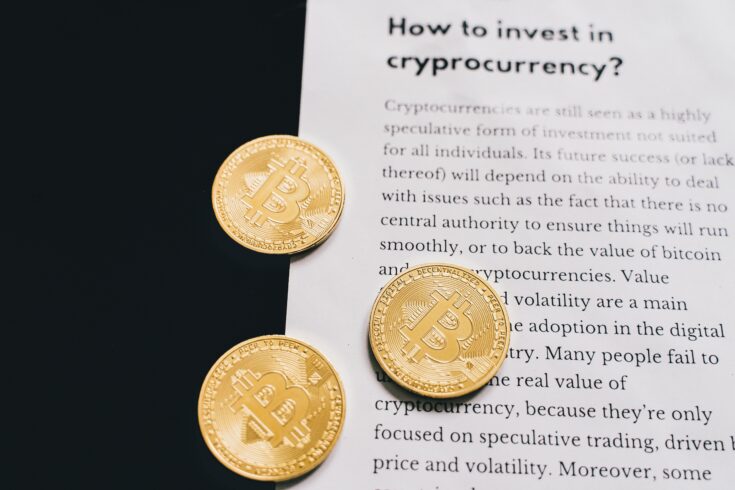
The cryptocurrency market has experienced significant growth over the past decade, with Bitcoin taking the lead as the first and most valuable digital currency. Bitcoin’s emergence was followed by a multitude of alternative coins (or “altcoins”), each offering unique features and utilities. While Bitcoin remains the dominant player, altcoins, including Ethereum, Litecoin, and Cardano, have carved out their own places in the market. Trading Bitcoin and altcoins presents unique opportunities and challenges, with different strategies suited to each type.
In this article, we’ll delve into the key differences between Bitcoin and altcoins in trading, explore popular strategies for both, and offer insights on managing risk and maximizing profit potential in this ever-evolving market.
Bitcoin vs. Altcoins: Understanding the Differences
Market Dominance and Stability
Bitcoin, often referred to as “digital gold,” remains the most popular and widely accepted cryptocurrency, representing approximately 40-50% of the entire crypto market’s value. Its high market cap, global recognition, and relative stability compared to altcoins make it a preferred asset for many investors.
Altcoins, on the other hand, are generally more volatile but can offer higher growth potential. Examples of altcoins include Ethereum, which powers smart contracts, and Ripple (XRP), which focuses on cross-border payments. Each altcoin serves specific purposes, and its success in trading can be influenced by factors like technology adoption, partnerships, and community support.
Volatility and Liquidity
While Bitcoin is volatile, altcoins often experience even greater price swings, providing traders with both risks and rewards. For instance, while Bitcoin’s price might fluctuate within a 5-10% range on a typical day, altcoins can see much wider movements, sometimes fluctuating by 20% or more. This increased volatility can lead to larger profit opportunities but requires a solid strategy and risk management plan.
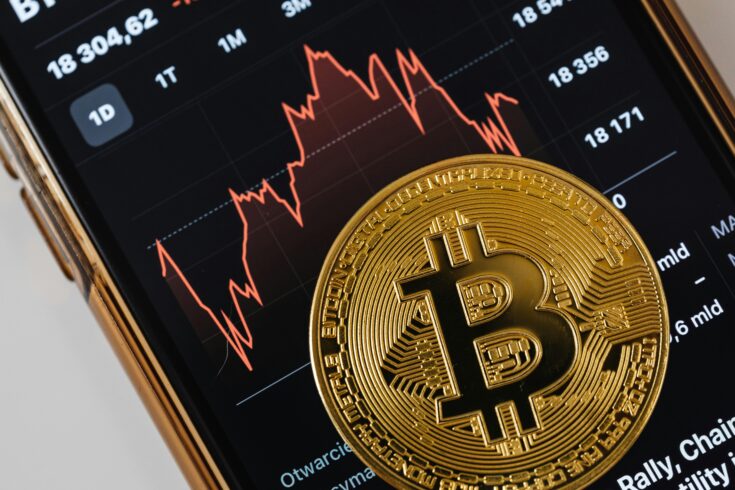
Popular Bitcoin Trading Strategies
HODL (Buy and Hold)
HODLing is one of the most popular Bitcoin strategies, especially among long-term investors who believe in Bitcoin’s growth potential. This strategy involves purchasing Bitcoin and holding it for an extended period, regardless of short-term price fluctuations. HODLers often rely on Bitcoin’s historical price increases and widespread acceptance.
Day Trading
Day trading Bitcoin involves buying and selling it within short periods to profit from small price movements. This strategy requires a good understanding of market trends, technical analysis, and the ability to react quickly. Day trading can be profitable but is risky due to Bitcoin’s volatility. It typically requires traders to actively monitor charts and employ tools like stop-loss orders to minimize potential losses.
Swing Trading
Swing trading involves holding onto Bitcoin for days or weeks, capitalizing on medium-term price trends. This strategy allows traders to avoid the intense demands of day trading while still taking advantage of price changes over time. Swing traders use technical analysis and indicators such as the Relative Strength Index (RSI) to make informed decisions about entry and exit points.
Altcoin Trading Strategies
Scalping
Scalping is a popular strategy for trading highly volatile altcoins. Scalpers make multiple small trades throughout the day, aiming to profit from tiny price movements. This technique is particularly useful for altcoins with high liquidity and is best suited for experienced traders who can dedicate time to monitoring the market and executing frequent trades.
Pair Trading (Bitcoin and Altcoins)
Pair trading involves buying one asset while simultaneously selling another. In the crypto space, traders might pair Bitcoin with a specific altcoin, hoping to profit from the price differences. For example, a trader could buy Ethereum (ETH) and sell Bitcoin if they believe ETH will outperform BTC in the near future. This strategy requires knowledge of both assets and a keen sense of timing.
News-Based Trading
Altcoins are more likely than Bitcoin to experience rapid price changes in response to news or announcements. Events such as partnerships, upgrades, or listings on major exchanges can significantly impact an altcoin’s price. Traders using this strategy stay informed about the latest developments, using tools like Twitter, Reddit, and Nearest Edge for timely insights and news that can move markets.
Risk Management in Bitcoin and Altcoin Trading
Diversification
Diversifying a crypto portfolio is a fundamental strategy to manage risk. Holding both Bitcoin and a selection of altcoins can help balance risk and reward. While Bitcoin may provide more stability, altcoins offer high growth potential. Diversification allows traders to capture gains from emerging technologies while cushioning against the volatility of individual assets.
Using Stop-Loss Orders
Stop-loss orders can help traders limit their losses in a volatile market. By setting a predetermined price level, traders can ensure that their position is automatically sold if the asset’s price drops too far. This technique is useful for both Bitcoin and altcoin traders to protect against unexpected market downturns.
Pros and Cons of Bitcoin and Altcoin Trading
Pros of Bitcoin Trading
- Market Stability: Bitcoin is generally more stable and widely accepted.
- Global Recognition: It is the most trusted cryptocurrency.
- Lower Volatility: Compared to altcoins, Bitcoin’s price swings are relatively moderate.
Cons of Bitcoin Trading
- Lower Growth Potential: Due to its market maturity, Bitcoin’s returns may be lower compared to emerging altcoins.
- High Entry Price: As Bitcoin’s price increases, buying whole coins becomes more costly, even if fractional purchases are possible.
Pros of Altcoin Trading
- Higher Growth Potential: Many altcoins offer substantial returns, particularly new projects.
- Innovative Technologies: Altcoins often introduce groundbreaking technologies.
- Low Entry Price: Newer altcoins are accessible at lower prices, attracting retail investors.
Cons of Altcoin Trading
- High Volatility: Altcoins experience significant price swings, increasing risk.
- Less Stability: Altcoins are often more speculative and depend on adoption.
- Market Liquidity: Some altcoins have lower liquidity, making large trades challenging.

FAQ Section
1. What is the difference between Bitcoin and altcoins?
Bitcoin is the first and most widely accepted cryptocurrency, while altcoins are all other cryptocurrencies that offer additional features or specific use cases.
2. Is trading Bitcoin safer than altcoins?
Bitcoin is generally more stable than altcoins, making it less risky, but the potential returns on altcoins can be higher due to their volatility.
3. What is the best strategy for trading Bitcoin?
The best strategy depends on the trader’s goals. Long-term investors may prefer HODLing, while short-term traders might engage in day or swing trading.
4. Can I trade both Bitcoin and altcoins at the same time?
Yes, many traders hold both Bitcoin and a selection of altcoins to balance risk and take advantage of diverse market opportunities.
5. What is pair trading?
Pair trading involves buying one asset while selling another to profit from the price difference, commonly used in Bitcoin and altcoin trading.
6. Are altcoins more profitable than Bitcoin?
Altcoins can offer higher returns due to their growth potential but also come with increased risks compared to Bitcoin.
7. What are the risks of altcoin trading?
The primary risks include high volatility, lower liquidity, and the potential for some altcoins to fail due to lack of adoption or support.
8. Should I use leverage for Bitcoin or altcoin trading?
Leverage can amplify gains but also increases risks. It’s recommended for experienced traders with a solid understanding of risk management.
9. How does news affect altcoin prices?
News related to partnerships, technology upgrades, and listings often leads to significant altcoin price changes.
10. What resources can help with Bitcoin and altcoin trading strategies?
Platforms like Nearest Edge offer valuable tools and insights for developing effective trading strategies.
Bitcoin and altcoins each offer unique opportunities and challenges for traders. While Bitcoin is generally considered a safer, more stable investment, altcoins present high-growth potential along with additional risks. Successful trading in both categories requires a combination of market knowledge, strategy, and risk management. Diversifying a portfolio with both Bitcoin and select altcoins can provide a balanced approach, capturing the benefits of both stability and innovation in the crypto market. By understanding the fundamental differences and employing the right strategies, traders can navigate this exciting landscape and maximize their investment potential.





Jeg ville nok holde mig fra crypto… Husk at de største ejere af crypto lige nu er NordKorea, Kinesere, Koreanere, shady kriminelle, Tether etc. Så hvis vi skal tage crypto alvorligt, så er de vores nye globale centralbank. Ja, held og lykke med det.