




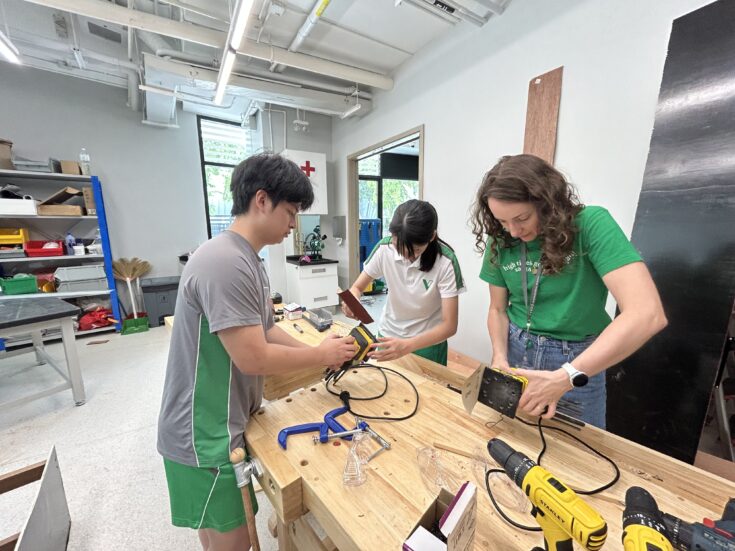
As the world changes at unprecedented speed, the question facing schools everywhere is clear: how do we prepare young people for a future we cannot yet predict? From the rise of artificial intelligence to global uncertainty, the skills needed to thrive are evolving rapidly. At VERSO International School the answer lies in designing learning experiences that go beyond academics to cultivate agency, adaptability, and purpose.
Global frameworks as a compass
VERSO’s approach is anchored in leading international research. The OECD’s Education 2030 Learning Compass emphasizes that future-ready learners need not just knowledge, but competencies, values, and the ability to chart their own paths. Transformative competencies such as creating new value, taking responsibility, and navigating complexity are central. At the same time, the World Economic Forum’s Future of Jobs Report 2025 highlights a shifting skills landscape: by 2030, 39% of today’s skills may be obsolete, while demand for leadership, social influence, resilience, and technology literacy continues to rise.
VERSO bridges these insights by fostering student agency, embedding well-being, and ensuring learners not only master content but also develop the mindset and adaptability required for a fast-changing world.
A curriculum designed for the future
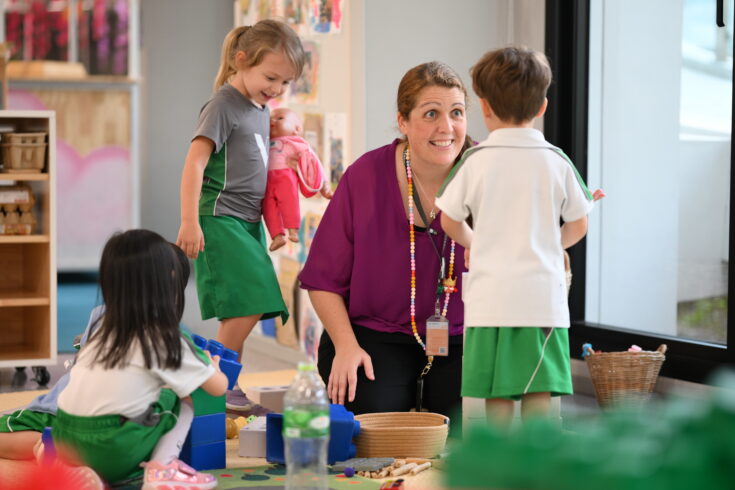
VERSO is an American curriculum school that focuses on preparing learners for the future. Core curriculum areas are covered, while integrating interdisciplinary learning, project-based experiences, and competency-based progression. Learners spend time in Learning Labs, where subjects merge into authentic projects that require problem-solving, design thinking, and collaboration.
Traditional skills in literacy, numeracy, and science are taught alongside forward-looking practices such as STEM, digital media, and entrepreneurship. Just as importantly, learners practice reflection and goal-setting in conVERSO sessions, building ownership over their learning journey.
Building essential competencies
The WEF notes that leadership and influence have jumped 22 percentage points in importance since 2023, and resilience and flexibility are now considered critical. At VERSO, these skills are not taught through textbooks but lived through daily practice:
- Mixed-age cohorts foster mentorship and social intelligence.
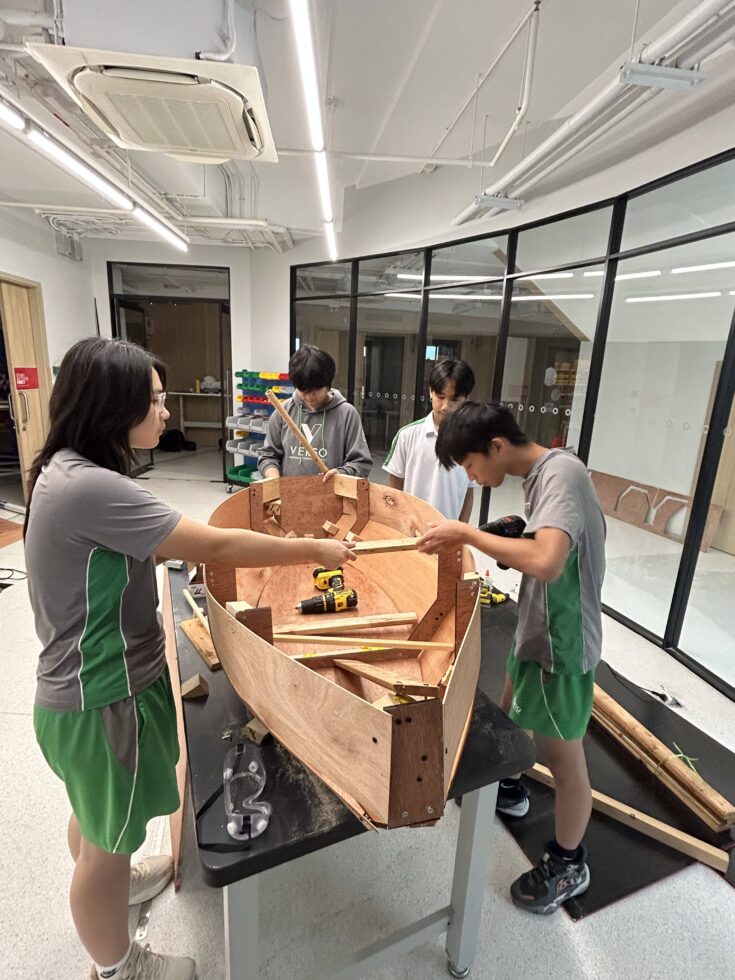
- Workshops and makerspaces encourage creativity and technological fluency.
- Beyond the Walls experiences connect learners with professionals and communities, grounding learning in real-world relevance.
- Well-being is woven into the timetable, nurturing emotional resilience alongside academic growth.
Through these structures, learners learn how to adapt, collaborate, and lead; exactly the competencies global reports identify as most valuable for the coming decades.
From school to the world
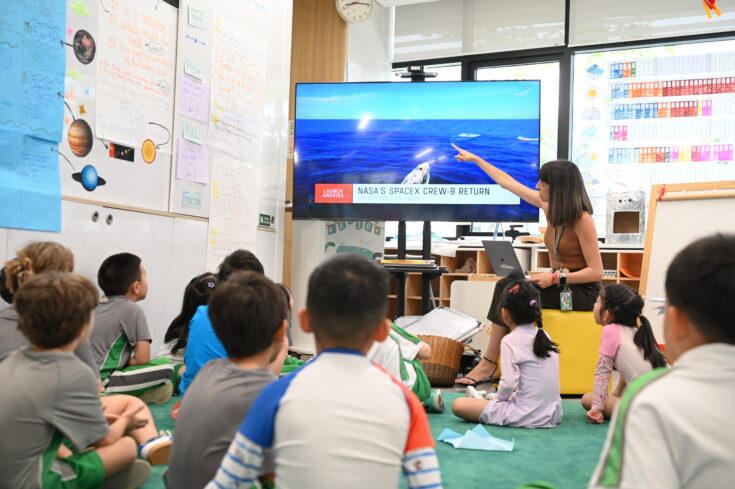
Though still a young school, VERSO’s graduates are already demonstrating the benefits of this model. Alumni have spoken about how project-based learning helped them network with industry professionals, take bold risks, and pursue passions with confidence. These stories illustrate how future-readiness is not abstract theory, but a lived experience at VERSO.
Preparing learners for 2030 and beyond requires courage to rethink schooling itself. By aligning with the OECD’s vision of agency and transformative competencies, and by anticipating the WEF’s forecasted shifts in the skills economy, VERSO is building a learning environment where learners are not just absorbing knowledge, but actively shaping their futures.
In doing so, VERSO positions itself as more than a school, it is a launchpad for the future-ready citizen designers our world urgently needs.
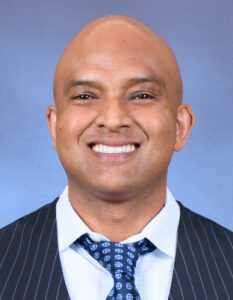
Dr. Ryan Persaud is Head of School, VERSO International School Bangkok, which follows a project-based American curriculum. He holds three degrees and has 20+ years of international school experience as a teacher, coach, and leader across South Korea, Canada, and Brazil. His wife Sarah Donaldson is a Literacy Learning Designer at VERSO and he has twin teenage daughters.
