



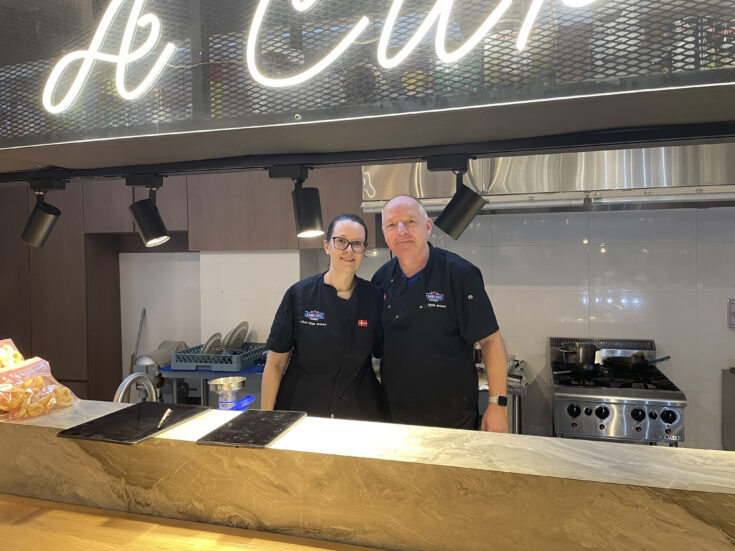
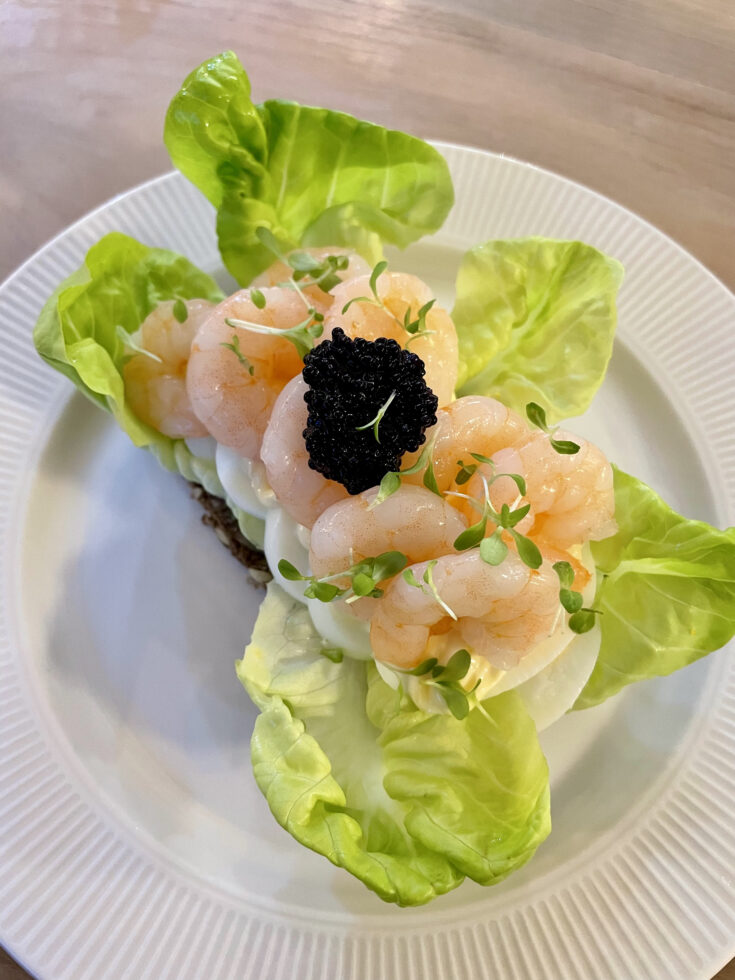
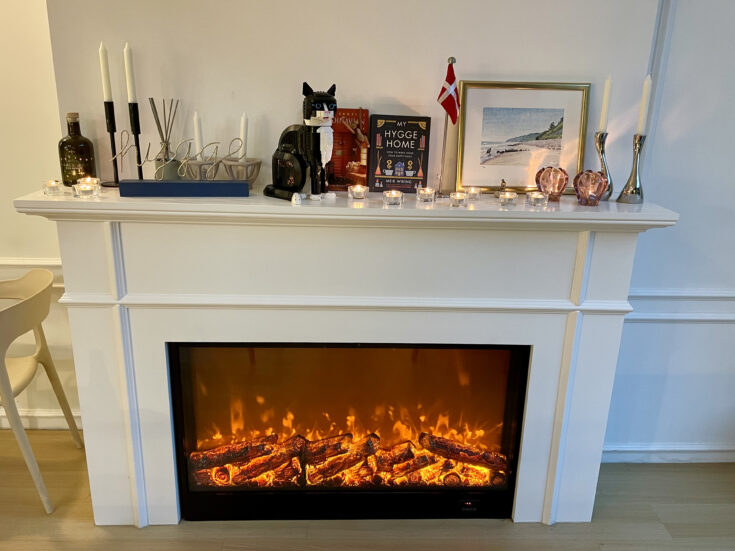
Where small restaurants and bars glow under strings of warm lights in Kuala Lumpur, you find DenHygge — a cozy spot known for classic Danish dishes made entirely from scratch. Inside, the atmosphere is warm and unpretentious, and the menu reads like a roll call of Danish comfort food, including traditional smørrebrød — open-faced sandwiches layered with meats, seafood and homemade toppings.
Behind it all is 57-year-old Niels Jensen, a trained butcher and long-time expat. DenHygge is the passion project he runs with his wife, Olga Minchenkova — the result of years spent abroad, major life decisions and a global pandemic that reshaped everything.
A life shaped by countries and chances
Niels has lived and worked in Dubai, Saudi Arabia, Russia and Malaysia. Looking back, he sees it as a privilege to have experienced life in so many places and to have taken chances that continuously pulled him into new cultures and new challenges.
During one of his postings in Russia, he met Olga. As their relationship grew, they decided to move to Denmark together. But the family reunification process proved far more complicated than expected. After 18 months of waiting without a clear answer, they began doubting how long they could remain in limbo.
At the same time, Niels was offered a new position that required him to spend some time in both China and Malaysia before choosing where to be based. After visiting both locations, he quickly felt that Malaysia was the right fit — a place with space for a new start.
Choosing Malaysia — just as the world shut down
With no progress on the Danish paperwork and no certainty in sight, the couple agreed it made more sense to pursue the new opportunity abroad. Niels accepted the job.
He flew out on 1 February 2020 — just weeks before borders began closing due to Covid-19.
When the world shut down, everything froze. Flights were cancelled, borders sealed, and Niels ended up stuck in Denmark for more than half a year, waiting for travel restrictions to ease. It was a period defined by uncertainty, constant changes and long stretches of waiting.
In September 2020, the family finally flew to Malaysia together. After hotel quarantine, their daughter managed nine days of school before it closed again for the next 14 months.
And after some time in Malaysia, things shifted again.
“There were cutbacks because of COVID, and they had to let me go,” Niels says.
The family suddenly had to decide whether to return to Denmark, stay in Malaysia or start over somewhere entirely new. In the middle of that uncertainty, an idea they had discussed many times before began to feel more urgent: opening something of their own.
In August 2022, they decided to act on it.
Fourteen months of paperwork, renovations and uncertainty
From the day they made the decision until DenHygge finally opened, 14 months passed. They needed new visas, work permits and a full renovation of the place they had found.
They also chose a calmer area on purpose.
“It was the first time we were opening a restaurant, and we didn’t have a lot of experience. We didn’t want to be overwhelmed by customers and make a bad first impression,” Niels explains.
The first eight months were extremely busy. Then, during the summer of 2024, guest numbers became more unpredictable.
“It’s hard to understand,” he says. “The previous Wednesday, people were queueing out the door, and the next Wednesday it was completely quiet.”
It is a pattern he still finds difficult to explain.
A pure Danish kitchen — with no fusion
DenHygge’s concept is clear: traditional Danish food without shortcuts. No fusion, no microwaves, no semi-finished products.
“The idea of this restaurant is to tell the story from Denmark,” Niels says. “Everything has to be homemade.”
He brings ten years of butcher experience from Irma, SuperBrugsen and other Danish supermarkets — skills that define the heart of the kitchen.
“I love making sausages, meatballs and liver pâté in the kitchen,” he says. “I love the feeling of making a piece of smørrebrød and looking at it and thinking ‘wow, this is beautiful’.”
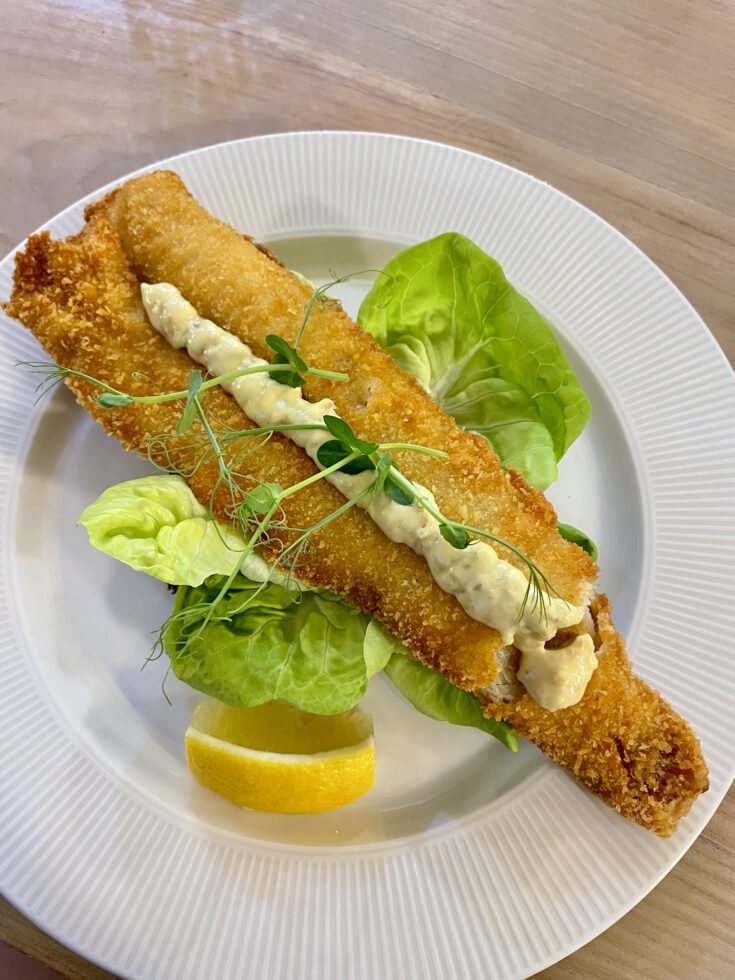
The menu features smørrebrød and three weekly hot dishes, often classics such as medister sausage, hotdogs or breaded pork patties. The rotation keeps it interesting for both regular guests and Niels himself.
Freshness is non-negotiable. Anything not sold is discarded.
A gathering place for Danes, Swedes — and locals
About 20 percent of DenHygge’s turnover comes from Danes and Swedes. On some evenings, a group of ten Swedish friends arrives, filling the room with beer, snaps and the cheerful volume of people who feel at home.
Many guests are regulars — including a Danish man living in Hong Kong, who often visits Kuala Lumpur with his wife. When they walk through the door, Niels greets them with a smile and a familiar “Nice to see you again,” before they sit down and flip through the menu, discussing which of their favourite dishes they should have this time. Later, he usually leaves with ten packs of rullepølse, roast beef or other cold cuts to bring home.
Danish companies also use DenHygge for events, and both DanCham and SwedCham have placed large Christmas orders this year.
“November and December are the busiest months,” Niels says. “Many people associate Danish smørrebrød with Nordic Christmas traditions.”
But it is the growing number of Malaysian guests that has surprised him most — and makes him genuinely proud.
“Some come because they are travelling to Denmark soon, and others are just curious to try something new,” he says. “It makes me really happy.”
Long hours, big sacrifices — and love for the craft
During the busiest periods, Niels works 90–100 hours a week.
“It’s not just a job, it’s our own little company,” he says. He thrives on being in the kitchen and has no aspirations for Michelin stars or a chain of restaurants.
“I don’t dream of a Michelin star. I want to keep it down-to-earth,” he says. “People should just be able to come in, have good food and drink a beer.”
But the passion comes with sacrifices. To finance the restaurant, he and Olga had to sell their summer house in Denmark — a place deeply tied to family memories and his connection to home.
What he misses most about Denmark are the changing seasons and his two adult children from a previous marriage, Nicklas and Cecilie, whom he thinks about often despite the distance.
Still, Niels enjoys life in Malaysia, especially with the Scandinavian network he has built through padel, golf and long walks. But the long working hours come with a cost. Social gatherings often take place during weekends, when he needs to keep the restaurant open — and their daughter feels that absence too, as her parents spend most evenings and weekends at work.
A small piece of Denmark in Kuala Lumpur
Today, DenHygge is the result of experience, courage and countless hours in the kitchen. Above all, it reflects Niels’ pride in his craft.
“When you need to produce a lot, the loving touch is still important,” he says. “That’s what makes the difference.”
And perhaps that is why, under soft lights in a lively corner of Kuala Lumpur, you can find a small piece of Denmark — served with quiet dedication and an open-faced sandwich.