


General Secretary of the Communist Party of Vietnam Central Committee and State President To Lam will pay a state visit to Denmark from October 19 to 21, 2026, marking a significant milestone in the two countries’ 55-year relationship. The visit is expected to elevate bilateral relations to a new level, strengthen political trust, set strategic directions for long-term cooperation and unlock new opportunities in green transition, renewable energy, innovation, trade and investment.
Vietnam-Denmark relations have evolved from development cooperation to a Comprehensive Partnership in 2013 and a Green Strategic Partnership in 2023. Denmark’s strengths in green technologies, innovation and sustainable solutions complement Vietnam’s development priorities and ambitions. The priority now is to translate these frameworks into clearly defined areas of cooperation, practical projects and stronger business engagement that deliver tangible benefits for both countries.
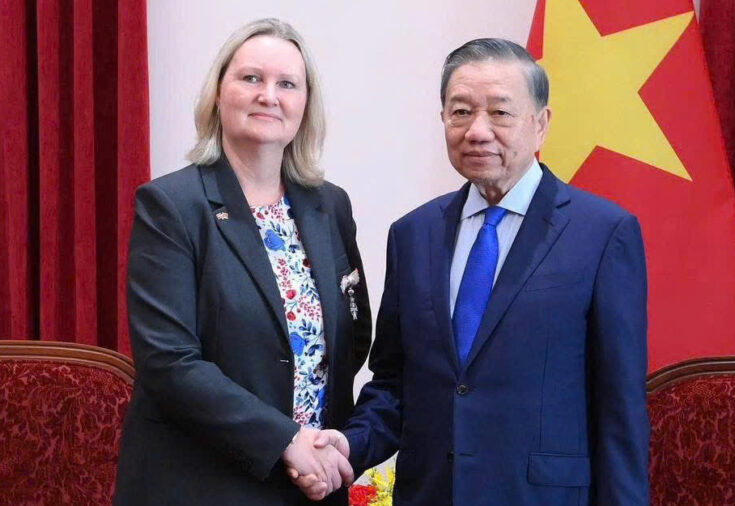
During a meeting with Danish Ambassador Lina Gandløse Hansen on October 3, General Secretary and President To Lam discussed trade, investment and the implementation of the Green Strategic Partnership, with a focus on energy, the marine economy, science and technology, innovation, green transition and digital transformation. Describing Denmark as a maritime power, To Lam expressed his desire to strengthen cooperation in the marine economy and promote people-to-people exchanges, including through the direct air route between the two countries. Ambassador Lina Gandløse Hansen affirmed Denmark’s readiness to support Vietnam in fulfilling its net-zero emissions commitments, developing renewable energy and infrastructure, and building sustainable food systems.
Søren Davidsen, Deputy Chair of the Board of Directors of Davidsen Group and co-author of the recent book Vietnam i verden – verden i Vietnam (Vietnam in the World – the World in Vietnam), compares Vietnam-Denmark relations to a bridge with solid foundations built over 55 years. The next phase, he said, should focus on expanding trade, joint projects and opportunities for businesses in both countries to learn from one another.
After aid, trade and investment
Vietnam-Denmark relations have developed over several decades, from development assistance to economic and investment ties. Between 2000 and 2015, Denmark provided Vietnam with more than DKK 5.5 billion in development assistance. Following the end of the aid programme in 2015, bilateral relations shifted their focus towards economic cooperation.
Direct flights between Vietnam and Denmark began operating in December 2025, creating additional opportunities for people-to-people exchanges and business activities.

In 2025, bilateral trade reached approximately US$721 million, with Vietnam exporting more than US$426 million worth of goods to Denmark. In the first eight months of 2026, data from Vietnam Customs cited by Vietnam’s Ambassador to Denmark Nguyen Le Thanh showed that bilateral trade increased by approximately 38% year on year, while Vietnam’s exports to Denmark rose by around 28%. Davidsen noted that bilateral trade in goods remains below US$1 billion annually, well below the potential of the two economies.
In terms of investment, as of the end of July 2026, Denmark had 179 valid projects in Vietnam, with total registered capital of approximately US$2.46 billion. Denmark ranked 21st among 153 countries and territories investing in Vietnam. According to the Royal House of Denmark, around 150 Danish companies are currently operating in the country.
LEGO, Maersk, Pandora, Vestas, Novo Nordisk and Topsoe are among the Danish companies with a presence in Vietnam. LEGO’s factory in Binh Duong, Ho Chi Minh City, with an investment of approximately US$1 billion, was officially inaugurated on April 9, 2025. The facility was designed with sustainability in mind, with the aim of running entirely on renewable energy by early 2026 through rooftop solar panels and power purchase agreements.
Beyond green energy
Energy is one of the areas where cooperation already has a relatively clear foundation. The Danish Energy Agency has worked with Vietnam’s Ministry of Industry and Trade since 2013 on long-term energy planning, offshore wind regulation and improving industrial energy efficiency. The next phase of the Vietnam-Denmark Energy Partnership, scheduled for 2026–2030, will continue to focus on energy planning, renewable energy integration and industrial energy efficiency.
Offshore wind is also attracting business interest. Copenhagen Infrastructure Partners (CIP) is involved in the proposed 3.5 GW La Gan offshore wind project off the coast of Binh Thuan, Lam Dong Province, as reported by Vietnam’s Ministry of Industry and Trade in October 2024. In August 2025, Petrovietnam and CI GMF II COÖPERATIEF U.A., managed by CIP, signed a Joint Development Agreement (JDA) for offshore wind development, building on a memorandum of understanding signed in March 2024. In September 2026, Deputy Minister of Industry and Trade Truong Thanh Hoai met with CIP executives in Copenhagen to discuss offshore wind and supply chain development.
At the manufacturing level, a stable electricity supply at competitive prices is an important condition for businesses. Thomas B. Pedersen, Senior Vice President for Asia at MASCOT International A/S, said Vietnam’s rapid industrial growth is increasing demand for reliable, competitively priced energy, which creates room for cooperation with Denmark in wind energy, energy efficiency, grid integration and the decarbonisation of industrial production.
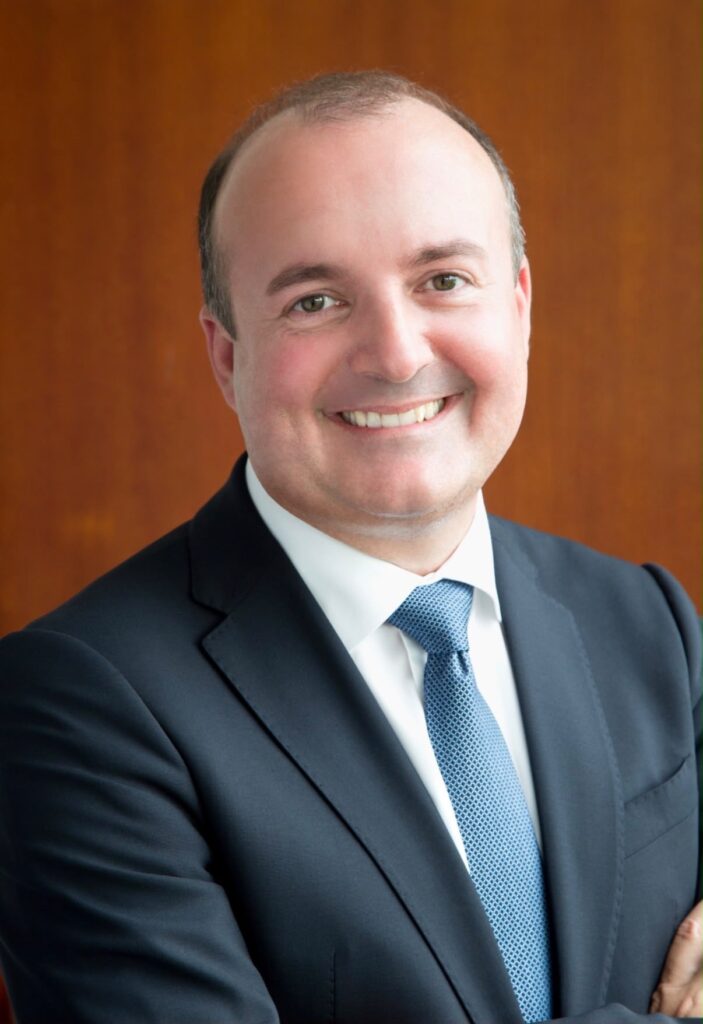
MASCOT is expanding its manufacturing operations in Vietnam, with a new factory in Binh Dinh, Gia Lai Province, planned for inauguration in 2027. The facility is designed as a smart factory for 5,000 employees. It will make extensive use of modern production technologies, data and robotics. Compared with conventional industrial buildings, the factory will feature substantially enhanced insulation, while all suitable rooftop areas are planned for solar panel installation. According to Pedersen, lower emissions and better environmental data are becoming increasingly decisive factors for MASCOT’s customers.
Technology and digital transformation offer another avenue for closer ties. FPT Corporation, a global technology and IT services provider headquartered in Vietnam, established its presence in Europe 14 years ago and entered Denmark in 2022. Tran Van Dzung, CEO of FPT Europe, FPT Corporation, said scaling AI remains a challenge for many enterprises in the region and globally. He cited FPT and Forrester research showing that only 23% of surveyed organisations had successfully deployed and scaled AI applications across the enterprise. The study surveyed nearly 400 business leaders worldwide, with in-depth interviews including executives in North America, Europe, Asia-Pacific and Japan. Dzung said businesses in Vietnam and Denmark could deepen collaboration in AI, data and automation. Vietnam’s more than 560,000 information technology workers can complement Denmark’s strengths in logistics, maritime industries, life sciences, green technology and high-value-added manufacturing.
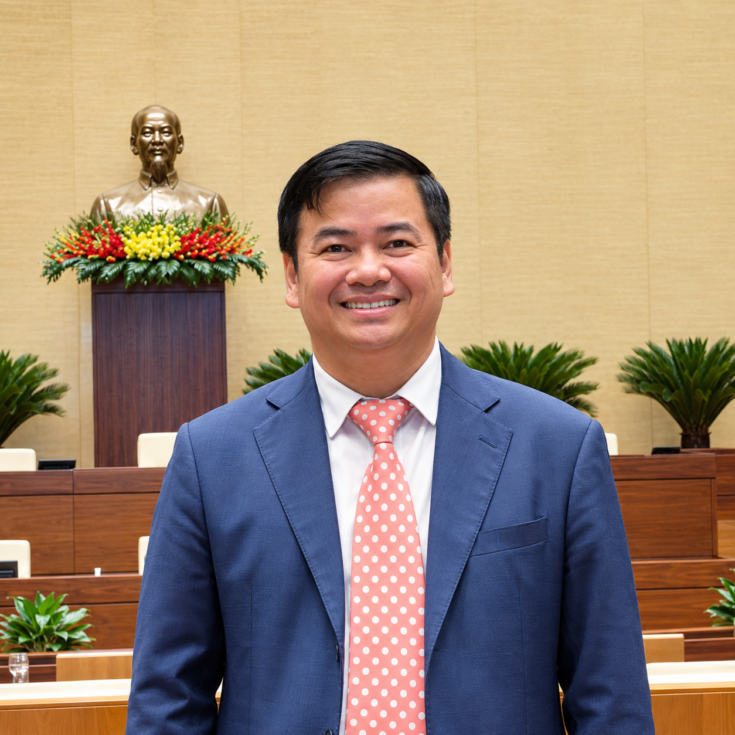
In the electronics industry, Vietnam’s exports of computers, electronic products and components, together with phones and components, totalled approximately US$164.5 billion in 2025, according to Vietnam Customs data. However, Nguyen Van Dong, Chairman of the Vietnam Electronic Industries Association (VEIA) and of its newly launched Institute of Green Technology and Green Finance, said domestic companies continue to face limitations in design, research and development, materials, components and core technologies.
Cooperation with Denmark could focus on manufacturing technologies, automation and electronic products supporting the green transition. According to Dong, strengthening technological capabilities and meeting partners’ standards are essential for Vietnamese companies seeking to participate more deeply in supply chains.
Healthcare is another area of mutual interest. On October 28-29, 2026, the Embassy of Vietnam in Denmark and Aalborg University Hospital are scheduled to organise a conference on smart healthcare, digital health and innovation in biomedicine. Denmark has strengths in pharmaceuticals, medical devices and biomedical research, while Vietnam offers a large market and an extensive network of hospitals and medical training institutions.
Logistics and green transport also feature in the maritime cooperation raised at the highest level. According to Davidsen, the two governments have held a dialogue on green shipping, a sector in which Denmark has one of the world’s leading maritime clusters.
Agriculture and food are another area of cooperation. Davidsen said Denmark had transformed itself from a small agricultural country into a global food exporter by combining food safety, cooperatives and technology. The two countries are also cooperating on food safety in the pork value chain and sustainable aquaculture. In Vietnam, the Mekong Delta faces growing climate-related challenges, making sustainable agricultural and food production an important area for continued cooperation.
In the circular economy, Davidsen pointed to cement, a major source of industrial emissions, and wood, a major export sector. Cement accounts for an estimated 16–17% of Vietnam’s emissions, according to the Institute of Building Materials under the Ministry of Construction, while the Vietnam Cement Association (VNCA) estimates the industry’s actual emissions in 2025 at about 84 million tonnes of CO₂. Exports of wood and wood products reached US$17.2 billion in 2025, according to Vietnam Customs, passing US$17 billion for the first time. Potential areas for cooperation include certified timber, wood-fibre insulation materials, material recovery and reuse, and packaging.
Traffic on the bridge
From a business perspective, expanding cooperation requires more than bilateral frameworks. Domestic supplier linkages, the investment environment, workforce quality and approaches to collaboration will directly influence whether potential opportunities translate into actual business activity.
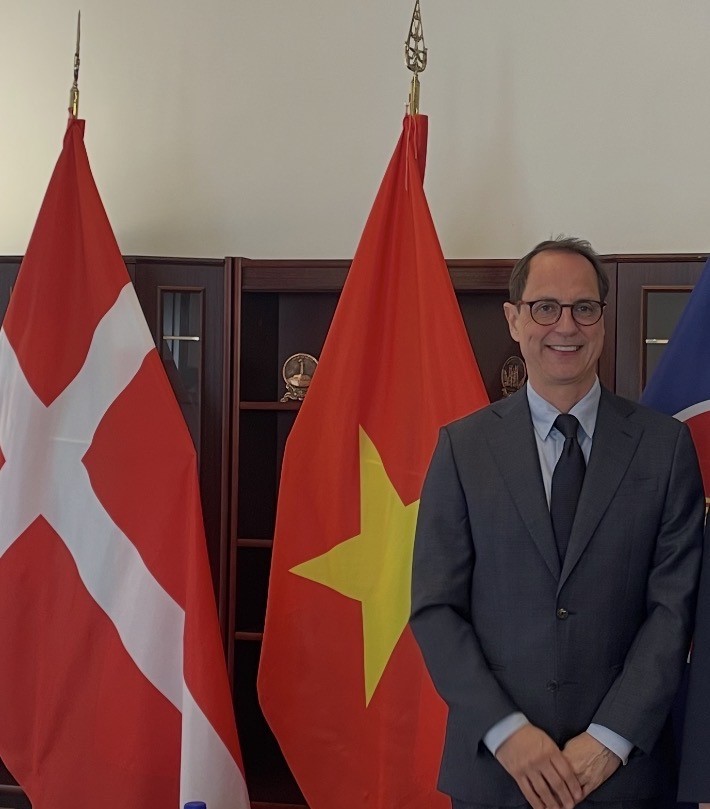
For large-scale investment projects, integrating Vietnamese companies into supply chains is an issue that warrants attention. According to Søren Davidsen, the next step is to build deeper links between major investment projects, such as the LEGO factory, and Vietnamese suppliers and private companies. Strengthening these connections would create more opportunities for local businesses to participate in supply chains and develop longer-term partnerships with international investors.
Investment conditions also influence decisions on expanding production. Pedersen said businesses need dependable road and rail links to deep-sea ports, efficient customs processes, a power system able to support industrial growth and a higher share of renewable energy, and long, transparent and predictable land-lease arrangements with clear renewal conditions. He also called for greater consistency in regulation and faster administrative decisions.
Workforce capabilities are another requirement. Pedersen noted that future investment will require more engineers, technicians and production leaders with expertise in automation, robotics, artificial intelligence, energy management and international quality systems. Dong added the need for ESG practice, carbon management and closer links between businesses, universities and research institutes.
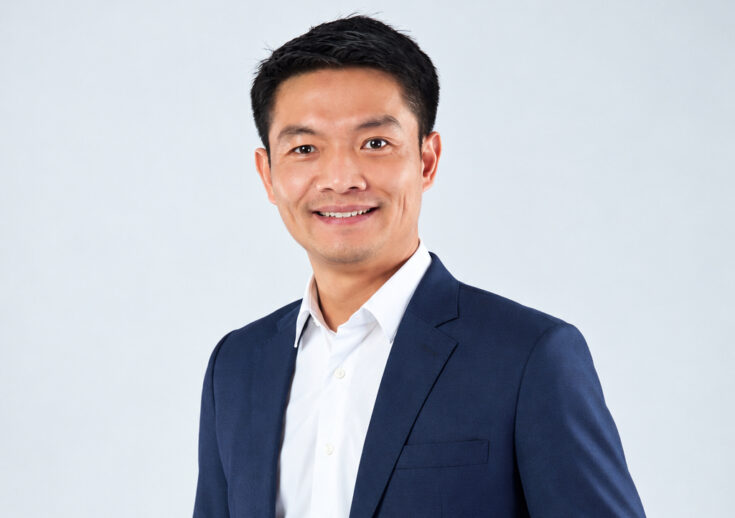
Cooperation models also need to evolve. According to Tran Van Dzung, Vietnamese and Danish businesses can move beyond the traditional customer-supplier relationship towards joint innovation, technology testing, data governance and the development of common technical standards. Combining the Nordic approach to innovation and sustainability standards with Vietnam’s technological capabilities and implementation capacity could create opportunities to generate value for both markets.
Experience and technology cannot simply be transferred unchanged; they must be adapted to local market conditions. Davidsen noted that solutions developed for Denmark’s cold climate cannot be applied mechanically in Vietnam, where the challenge is keeping heat out and coping with humidity, typhoons and rapid urbanisation. “The method can travel; the exact numbers cannot,” he said.
For companies operating in European markets, the ability to provide data on material origins, product characteristics and emissions is also becoming increasingly important. Davidsen likened such data to a “passport” for entering these markets. Since January 2023, Denmark has required new buildings covered by the building regulations to document their climate impact through life-cycle assessments (LCAs).
Expected Key Engagements During General Secretary and President To Lam’s Visit to Denmark
- Official welcome ceremony, wreath-laying at the Citadel, and visits to the Danish Parliament, the University of Copenhagen and the Niels Bohr Institute, including a demonstration of quantum technology.
- State banquet hosted by King Frederik X and Queen Mary at Christiansborg Palace.
Roundtable with Danish business leaders and business conference at the Confederation of Danish Industry, focusing on green solutions, health and food, as well as regional and international cooperation.- Meetings with Prime Minister Mette Frederiksen and the Vietnamese community in Denmark.
- Concert hosted by To Lam and his wife, Ngo Phuong Ly, at Glyptoteket to mark the 55th anniversary of diplomatic relations between Denmark and Vietnam.
- Boat trip through Copenhagen Harbour, with presentations on the Lynetteholm urban development project and the Middelgrunden offshore wind farm.
(Source: The Royal House of Denmark. The programme is subject to change.)