




A Danish fisherman has built a new life in northern Thailand – with herring, rye bread, live music, and a strong community by the river.
When the sun sets over the Mekong River, golden light stretches across the slow-moving water. Boats drift quietly downstream while people gather for dinner along the shore. Just a few hundred meters from the border with Laos, the Viking Restaurant has become a meeting point for Danes and other expats in the city of Nong Khai.
Behind the counter is Thomas Rathjen, a 50-year-old former fisherman from Esbjerg who only a few years ago spent his days in the harbor back home. Now, together with his Thai partner Sum Lee Kotebua, he welcomes guests to communal dinners, live music, and a menu that carries the best of Scandinavia.
Hooked on Thailand
Thomas first came to Thailand seven years ago. It was supposed to be nothing more than a short winter break – a chance to escape the cold and visit an old friend in Nong Khai – but the experience stuck with him.
“When I returned to Denmark, I only lasted three weeks before returning here. I was completely hooked,” he recalls.
With time, he met a woman and fell in love, but the constant travel between Denmark and Thailand put a strain on the relationship, so Thomas took a chance — and settled in Thailand.
Viking Food Shop – a taste of home
In October 2024, Thomas and his partner opened Viking Food Shop, a small store packed with everything one could miss from Denmark: rye bread, pickled herring, the butter Lurpak, a wide selection of cheese, and every candy found in Netto.
“The five things we sell the most are herring, cheese, håndværkere (which is a kind of bread rolls), rye bread, and candy,” he explains.
“And cheese especially – Danes here can’t get enough of it. Thanks to my friend Ernst, we can now boast the largest stock of Danish cheese in all of Asia,” he adds with a grin.
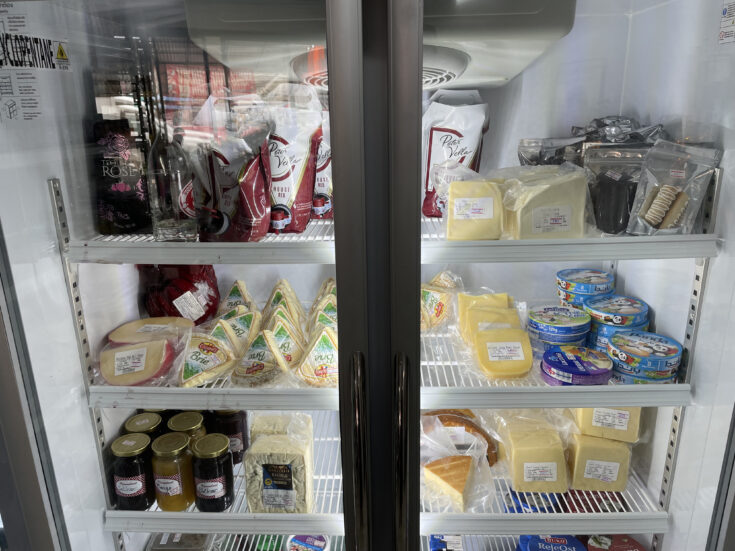
The shop attracts not only Danes but also Swedes, Norwegians, Germans, and Brits. Much of the business actually happens online, with deliveries heading to Bangkok and even across the border into Laos, where his partner sometimes drives personally to deliver to a Danish customer.
A central figure in all of this is Thomas’s friend Ernst, who runs the same kind of business in Jomtien, a popular spot for Danes on Thailand’s coast. Ernst handles the imports that make the shop possible.
“We rely heavily on him – without Ernst, none of this would have worked,” Thomas says.
The restaurant by the river
Thomas had planned to return to Denmark for a holiday in April 2025, but instead he made a spontaneous decision that changed everything: he bought a restaurant with a sweeping view of the Mekong.
“If I want to stay here full time, I need something to get up for. Having spent years as a fisherman and later as a consultant in offshore wind projects, I’ve always been used to a busy working life in Denmark, so I can’t just sit still. And I’m only 50 – it’s far too early to think about retirement,” he says.
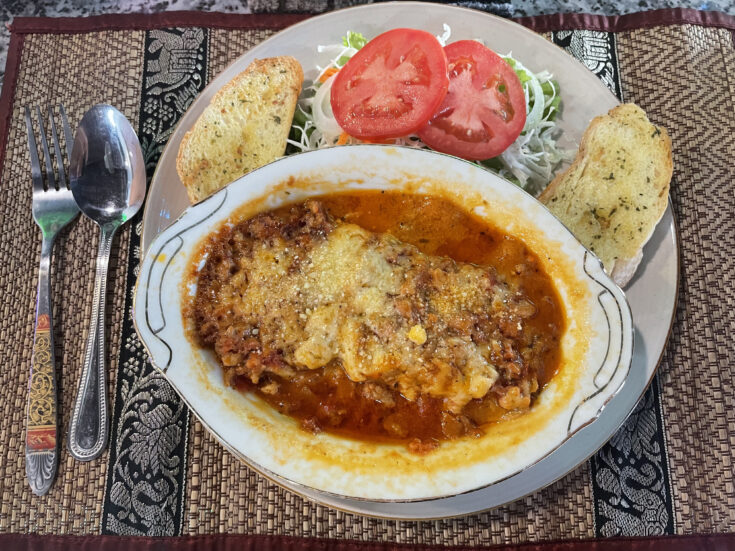
The restaurant became Viking Restaurant, and it quickly turned into a social hub for both residents and travelers. Every Wednesday, Thomas hosts communal dinners, and two evenings a week the restaurant is filled with live music.
One night, while walking through Nong Khai, Thomas and his partner heard a street musician singing by the roadside.
“He sounded fantastic, and we thought: we have to get him to play for our guests,” Thomas says.
Now the musician plays for four hours every Wednesday and Friday, attracting guests who keep coming back for the lively mood.
“It really brings people in and sets the tone for the whole evening,” Thomas says.
Community as a lifeline
For Thomas, having a social network is essential. He doesn’t speak Thai, and finding people nearby who can communicate in English has been difficult.
“I could never live out in the countryside. I need city life and people around me. It’s nice having so many Danes here – I fall into conversation easily, and it feels good to have someone to speak my own language with,” he explains.
To stay connected, he also often drives an hour to Thani Beach, where a group of Scandinavians regularly meet.
“Without that network, I’d be lonely. It’s vital for me to have others to talk to,” Thomas says.
Life between two worlds
Officially, both the shop and the restaurant are in his partner’s name. They have been together for three years, and the couple is now talking about marriage.
“But it’s not easy. There’s paperwork, rules, and many considerations before it can happen,” he says.
When asked how he feels about leaving the formal ownership of both businesses in her hands, he pauses before answering.
“There’s always a risk when you build a life together. But that’s part of it. You have to trust, otherwise it doesn’t work,” he says honestly.
Looking ahead by the Mekong
Standing on the terrace of Viking Restaurant, looking out across the wide brown river, Thomas is certain about the path ahead.
“My goal is for these businesses to last for many years. I’m only 50, and my partner is 51. We still have plenty of good years ahead of us, and we enjoy running our own shops,” he says.
Although he still spends a couple of months each year in Denmark to earn money, his dream is to remain in Thailand permanently and make a living from the shop and the restaurant. He sometimes misses fishing, and especially the salary that came with it.
“That kind of money would go a long way here in Thailand. But I truly feel I’ve found my place here,” Thomas says.
On Friday nights, when the music begins and Danes, Swedes and Norwegians sing along together, it is clear that Thomas’s dream of a new life in Thailand is no longer just a plan for the future – it is already reality.