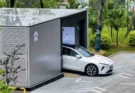




Chinese electric vehicles (EVs) have swiftly captured nearly 10% of Norway’s new car sales in just five years, according to the latest data from the country’s road federation (OFV) released on January 2, 2025. This surge underscores Norway’s leadership in the transition to electric vehicles, contrasting with the more restrictive import policies of the European Union (EU) and the United States.
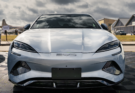
While both Brussels and Washington have raised concerns that Chinese EVs benefit from unfair subsidies, Norway has chosen a different path, imposing no tariffs on imports of Chinese electric vehicles. This has allowed brands such as MG, BYD, and XPeng to flourish in the competitive Norwegian market.
In 2024, the combined market share of these Chinese manufacturers rose to 8.8%, significantly up from 5.1% in 2023 and 4.1% in 2021. This growth follows the arrival of the first Chinese EV in Norway from MG just five years ago, in January 2020.
“The Norwegian car market is probably one of the toughest in the world,” stated Christina Bu, head of the Norwegian EV Association, emphasizing the fierce competition that exists within the sector.
As Norway enhances its position in the EV market, it remains unaffected by the recent EU tariff increases, which now reach up to 45.3%. Norway’s Deputy Transport Minister Cecilie Knibe Kroglund affirmed, “We treat all countries alike,” highlighting the country’s independent stance as it is not part of the EU.
Meanwhile, the U.S. has also ramped up its tariffs on Chinese EVs to 100% from 25% in response to similar concerns about market fairness.
With China emerging as the world’s leading car exporter in 2023—selling approximately 1.2 million EVs globally—Norway’s decision to keep its market open to these manufacturers could further solidify its role as a pivotal player in the electric vehicle landscape.
Source: Reuters