


The European Union’s Deforestation Regulation (EUDR) is set to be postponed for another 12 months. The European Commission has cited IT capacity problems and the large volume of data required for compliance, while political objections from member states and industry groups also played a role.
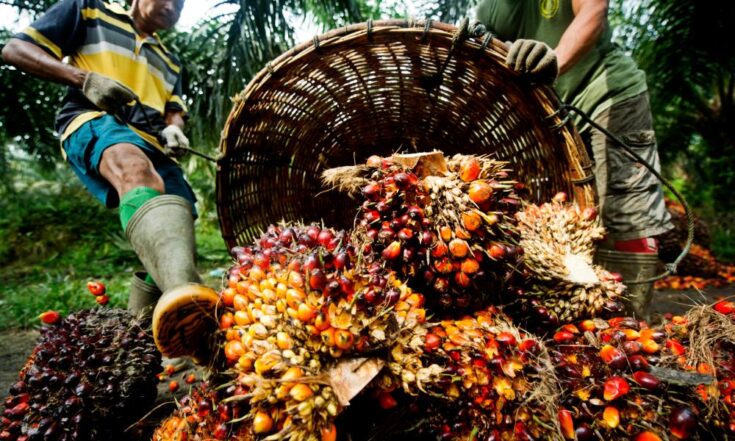
The EUDR, which aims to ensure that commodities entering the EU market are not linked to deforestation, was already delayed once in 2023. The regulation requires companies to trace products such as palm oil, coffee, timber, pulp and cocoa back to their point of harvest.
Environment Commissioner Jessika Roswall noted in a letter that operators and national authorities were not ready to handle the technical requirements. A postponement, she wrote, was necessary to avoid “unsolvable problems for forest owners, farmers and SMEs.”
The decision was welcomed by groups across Europe. Germany’s Federal Minister of Agriculture, Alois Rainer, said the EUDR imposed unnecessary bureaucracy in countries without deforestation. Spanish and Italian farm and industry associations said the delay offers a chance to simplify procedures. Brazil’s National Coffee Council called for continued dialogue between producing and consuming countries.
Environmental organisations criticised the move. WWF’s European Policy Office described the postponement as a “massive embarrassment” for the Commission and argued that technical excuses masked a lack of political will.
For Nordic importers, the delay means more time to adapt supply chains and compliance systems. Nordic businesses involved in importing coffee, timber, leather and other raw materials to Europe had raised concerns about the complexity and cost of tracing requirements. The postponement gives them breathing space, though uncertainty remains over whether the rules will be simplified or fundamentally revised before they eventually take effect.