


As Hanoi chokes on congestion and fumes, Norway shows how a 30‑year plan can turn electric mobility into everyday reality.
At the Zhongguancun Annual Forum, experts stressed that countries moving away from gasoline cars succeed when they adopt long‑term, coordinated frameworks, Vietnam Net reports.
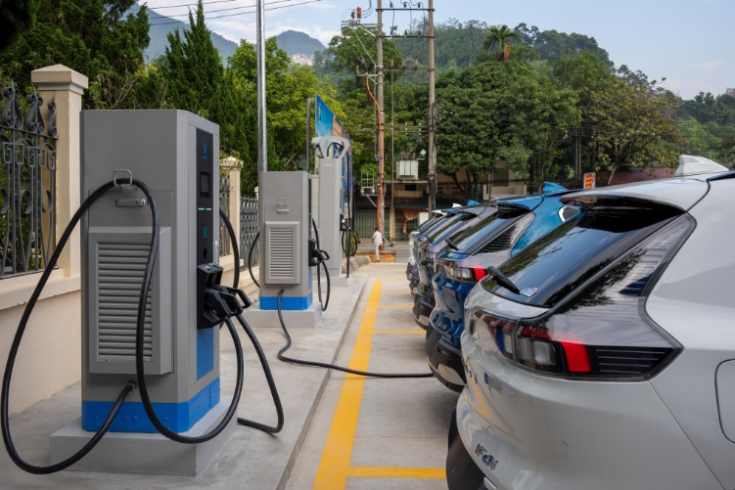
Norway is a striking example. With no domestic car industry to protect, it has pursued a 30‑year roadmap that combines strong financial incentives with infrastructure investment. The result: owning an electric car in Norway is now cheaper than a gasoline vehicle, and adoption has surged.
Vietnam faces a different challenge. As Nguyen Thi Xuan Thuy, Vietnamese academic and policy expert of Vietnam National University, explained, Hanoi and other cities struggle with congestion, air pollution and emissions from millions of motorcycles. Yet Vietnam also has a domestic manufacturing base to consider.
Policies must therefore balance environmental goals with industrial development.
The Norwegian case shows that a clear, long‑term plan can change consumer behavior and urban air quality.
Vietnam now seeks do adapt the principle: build a roadmap spanning decades, align incentives with infrastructure, and ensure that industry benefits rather than suffers from the transition.
“Green transition is not just a matter for the transport sector, but must be viewed as a comprehensive strategy connecting mobility with industrial development,” Thuy emphasized.