




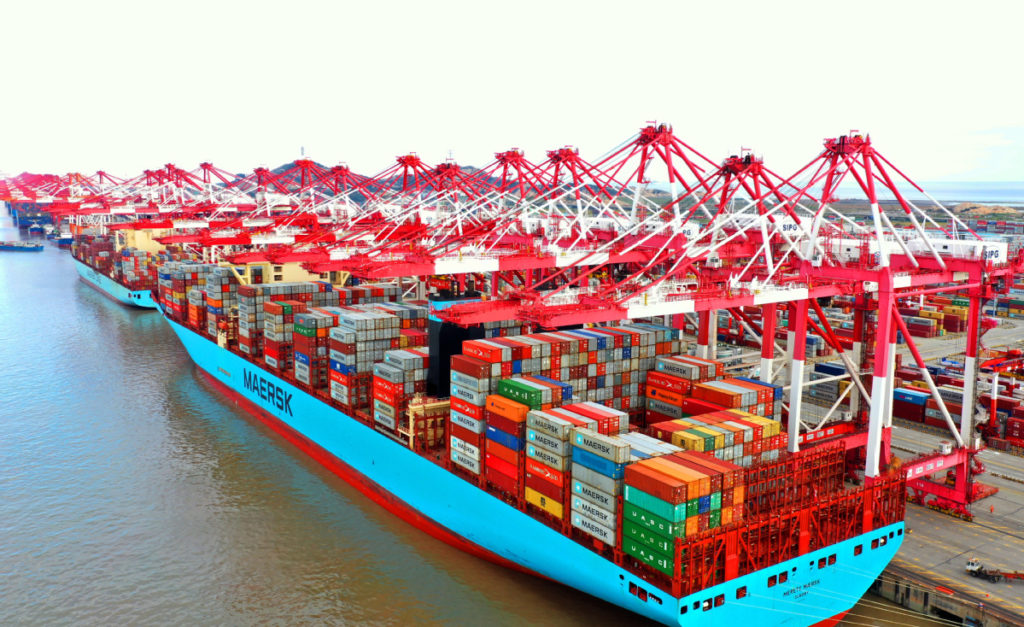
The equipment shortage stems from shipping containers shipped to developing markets not being emptied in time due to the pandemic and therefore not returned. Maersk foresees significant shortages of 40-foot and 45-foot high-cube containers for China to export its products in.
Vincent Clerc, CEO of Ocean and Logistics at A.P. Moller-Maersk explained, “Since the second half of 2020, strong demand from the United States and Europe has been coupled with significant operational challenges such as bottlenecks, lack of capacity, and equipment shortages in global supply chains. We still don’t know when the world can be normalized, on the heels of COVID-19, but we expect months of abnormal conditions.”
To tackle the problem, Maersk will continue to buy or lease dry freight containers as the company expects disruptions such as congestion in Los Angeles, network disruptions in Australia, and COVID-19 flare-ups in some Asian countries to extend the demands.
Ditlev Blicher, managing director of Maersk Asia-Pacific, said that the increased demand for airfreight is linked to the disruptions on the oceanfront and “As long as there are supply chain disruptions and lower capacity, the demand for airfreight will remain high.”
In addition, earlier this month Maersk also launched a new block train service from Shandong province to Poland and Germany.



[…] Credit: Source link […]